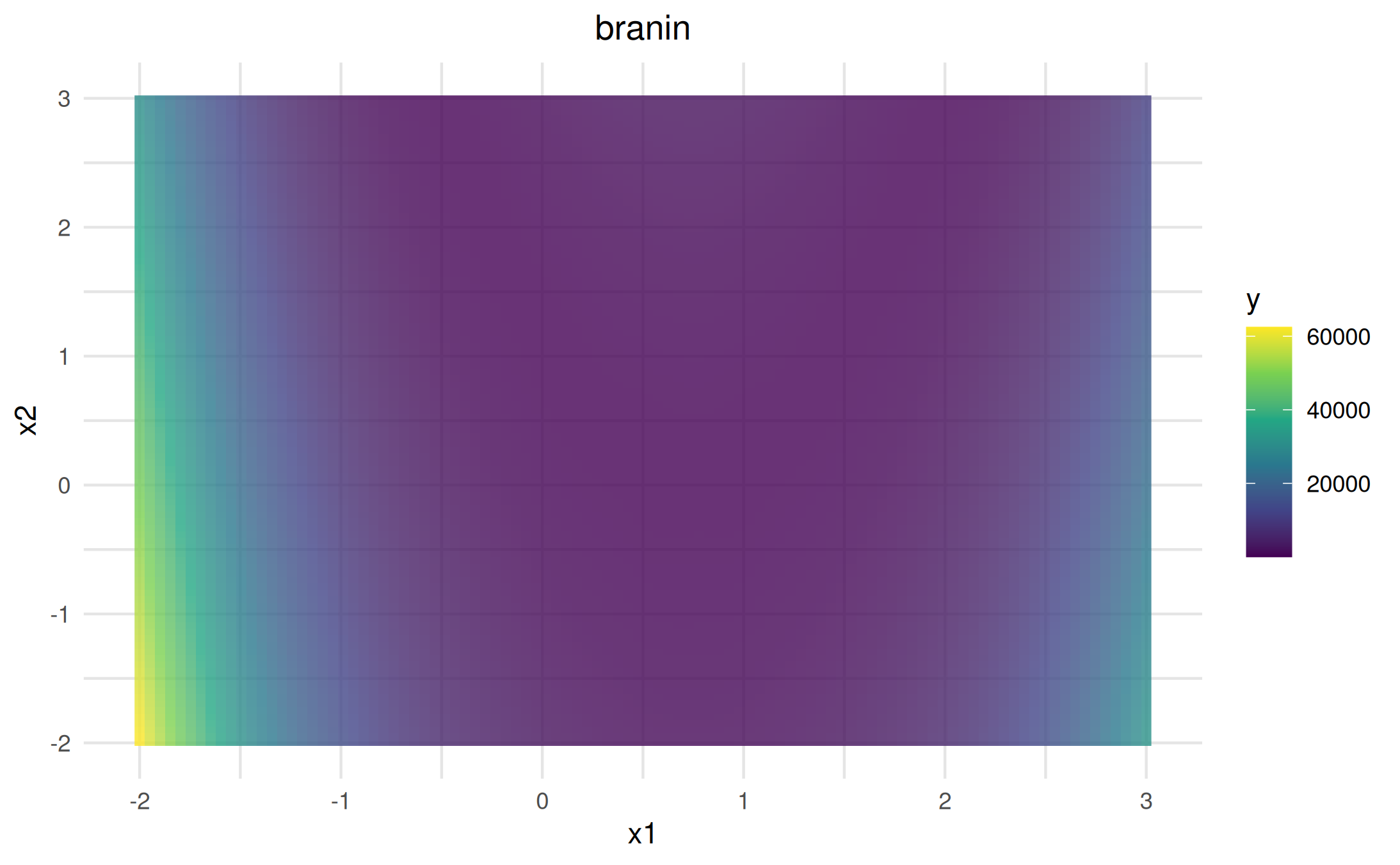
In the realm of machine learning and optimization, the Objective Function Definition is a critical component that guides the learning process. An objective function, also known as a loss function or cost function, quantifies the difference between the predicted values and the actual values. This quantification is essential for training models to make accurate predictions. Understanding and defining an appropriate objective function is crucial for the success of any machine learning project.
Understanding Objective Functions
An objective function is a mathematical expression that a model aims to minimize or maximize during the training process. In most cases, the goal is to minimize the error between the predicted outputs and the actual outputs. The choice of objective function depends on the type of problem being solved, such as regression, classification, or clustering.
For example, in a regression problem, the objective function might be the Mean Squared Error (MSE), which measures the average squared difference between the predicted and actual values. In a classification problem, the objective function could be the Cross-Entropy Loss, which measures the difference between two probability distributions.
Types of Objective Functions
Different types of problems require different objective functions. Here are some common types:
- Mean Squared Error (MSE): Used in regression problems to measure the average squared difference between predicted and actual values.
- Cross-Entropy Loss: Used in classification problems to measure the difference between two probability distributions.
- Hinge Loss: Used in support vector machines (SVMs) to maximize the margin between different classes.
- Kullback-Leibler Divergence (KL Divergence): Used to measure the difference between two probability distributions.
Defining an Objective Function
Defining an objective function involves several steps. First, you need to understand the problem you are trying to solve and the type of data you are working with. Next, you need to choose an appropriate objective function that aligns with your problem and data. Finally, you need to implement the objective function in your model.
Here is a step-by-step guide to defining an objective function:
- Identify the Problem Type: Determine whether your problem is a regression, classification, clustering, or another type of problem.
- Choose an Appropriate Objective Function: Select an objective function that is suitable for your problem type. For example, use MSE for regression problems and Cross-Entropy Loss for classification problems.
- Implement the Objective Function: Write the mathematical expression for the objective function and implement it in your model. This may involve using libraries such as TensorFlow or PyTorch.
- Train the Model: Use an optimization algorithm, such as gradient descent, to minimize the objective function and train your model.
- Evaluate the Model: Assess the performance of your model using appropriate metrics, such as accuracy, precision, recall, or F1 score.
💡 Note: The choice of objective function can significantly impact the performance of your model. It is important to choose an objective function that aligns with your problem and data.
Common Objective Functions in Machine Learning
Here are some common objective functions used in machine learning:
| Objective Function | Description | Use Case |
|---|---|---|
| Mean Squared Error (MSE) | Measures the average squared difference between predicted and actual values. | Regression problems |
| Cross-Entropy Loss | Measures the difference between two probability distributions. | Classification problems |
| Hinge Loss | Maximizes the margin between different classes. | Support Vector Machines (SVMs) |
| Kullback-Leibler Divergence (KL Divergence) | Measures the difference between two probability distributions. | Probabilistic models |
Optimization Algorithms
Once you have defined your objective function, you need to use an optimization algorithm to minimize or maximize it. Common optimization algorithms include:
- Gradient Descent: An iterative optimization algorithm that updates the model parameters in the direction of the negative gradient of the objective function.
- Stochastic Gradient Descent (SGD): A variant of gradient descent that updates the model parameters using a single training example at a time.
- Adam Optimizer: An adaptive learning rate optimization algorithm that combines the advantages of two other extensions of stochastic gradient descent.
- RMSprop: An adaptive learning rate method that adjusts the learning rate for each parameter based on the average of recent gradients.
Choosing the right optimization algorithm is crucial for the performance of your model. Different algorithms have different strengths and weaknesses, and the best choice depends on the specific problem and data.
💡 Note: The learning rate is a hyperparameter that controls the step size during the optimization process. Choosing an appropriate learning rate is important for the convergence of the optimization algorithm.
Example: Defining an Objective Function for a Regression Problem
Let's consider an example of defining an objective function for a regression problem. Suppose we have a dataset with features X and target values y. We want to train a linear regression model to predict y based on X.
The objective function for this problem is the Mean Squared Error (MSE), which is defined as:
MSE = (1/n) * ∑(y_i - ŷ_i)^2
where n is the number of training examples, y_i is the actual value, and ŷ_i is the predicted value.
Here is a Python code snippet using TensorFlow to define and implement the MSE objective function:
import tensorflow as tf

# Define the model
model = tf.keras.Sequential([
    tf.keras.layers.Dense(1, input_shape=(X.shape[1],))
])

# Define the objective function
model.compile(optimizer='sgd', loss='mean_squared_error')

# Train the model
model.fit(X, y, epochs=100)
In this example, we define a simple linear regression model using TensorFlow. We use the Mean Squared Error (MSE) as the objective function and the Stochastic Gradient Descent (SGD) optimizer to train the model.
Example: Defining an Objective Function for a Classification Problem
Now, let's consider an example of defining an objective function for a classification problem. Suppose we have a dataset with features X and target labels y. We want to train a logistic regression model to classify y based on X.
The objective function for this problem is the Cross-Entropy Loss, which is defined as:
Cross-Entropy Loss = -(1/n) * ∑[y_i * log(ŷ_i) + (1 - y_i) * log(1 - ŷ_i)]
where n is the number of training examples, y_i is the actual label, and ŷ_i is the predicted probability.
Here is a Python code snippet using TensorFlow to define and implement the Cross-Entropy Loss objective function:
import tensorflow as tf

# Define the model
model = tf.keras.Sequential([
    tf.keras.layers.Dense(1, input_shape=(X.shape[1],), activation='sigmoid')
])

# Define the objective function
model.compile(optimizer='sgd', loss='binary_crossentropy')

# Train the model
model.fit(X, y, epochs=100)
In this example, we define a simple logistic regression model using TensorFlow. We use the Cross-Entropy Loss as the objective function and the Stochastic Gradient Descent (SGD) optimizer to train the model.
💡 Note: For multi-class classification problems, you can use the categorical cross-entropy loss instead of binary cross-entropy loss.
Challenges in Defining Objective Functions
Defining an appropriate objective function can be challenging due to several reasons:
- Complexity of the Problem: Some problems are inherently complex, making it difficult to define a suitable objective function.
- Data Quality: Poor quality data can lead to inaccurate objective functions, which can negatively impact the performance of the model.
- Overfitting: An objective function that is too complex can lead to overfitting, where the model performs well on the training data but poorly on new, unseen data.
- Underfitting: An objective function that is too simple can lead to underfitting, where the model does not capture the underlying patterns in the data.
To overcome these challenges, it is important to carefully design the objective function and validate it using appropriate metrics and techniques.
💡 Note: Regularization techniques, such as L1 and L2 regularization, can help prevent overfitting by adding a penalty term to the objective function.
Best Practices for Defining Objective Functions
Here are some best practices for defining objective functions:
- Understand the Problem: Clearly understand the problem you are trying to solve and the type of data you are working with.
- Choose an Appropriate Objective Function: Select an objective function that aligns with your problem and data.
- Validate the Objective Function: Use appropriate metrics and techniques to validate the objective function and ensure it is performing as expected.
- Regularize the Objective Function: Use regularization techniques to prevent overfitting and improve the generalization of the model.
- Experiment with Different Objective Functions: Try different objective functions and compare their performance to find the best one for your problem.
By following these best practices, you can define an effective objective function that guides the learning process and improves the performance of your model.
In the realm of machine learning, the Objective Function Definition is a critical component that guides the learning process. An objective function, also known as a loss function or cost function, quantifies the difference between the predicted values and the actual values. This quantification is essential for training models to make accurate predictions. Understanding and defining an appropriate objective function is crucial for the success of any machine learning project.
In conclusion, the Objective Function Definition is a fundamental aspect of machine learning that plays a crucial role in training models. By understanding the different types of objective functions, defining them appropriately, and using optimization algorithms effectively, you can improve the performance of your models and achieve better results. Whether you are working on regression, classification, or any other type of problem, choosing the right objective function is essential for success. By following best practices and experimenting with different objective functions, you can define an effective objective function that guides the learning process and improves the performance of your model.
Related Terms:
- how to find objective function
- example of objective function
- what is an objective function
- objective function definition math
- objectives vs functions
- how to calculate objective function