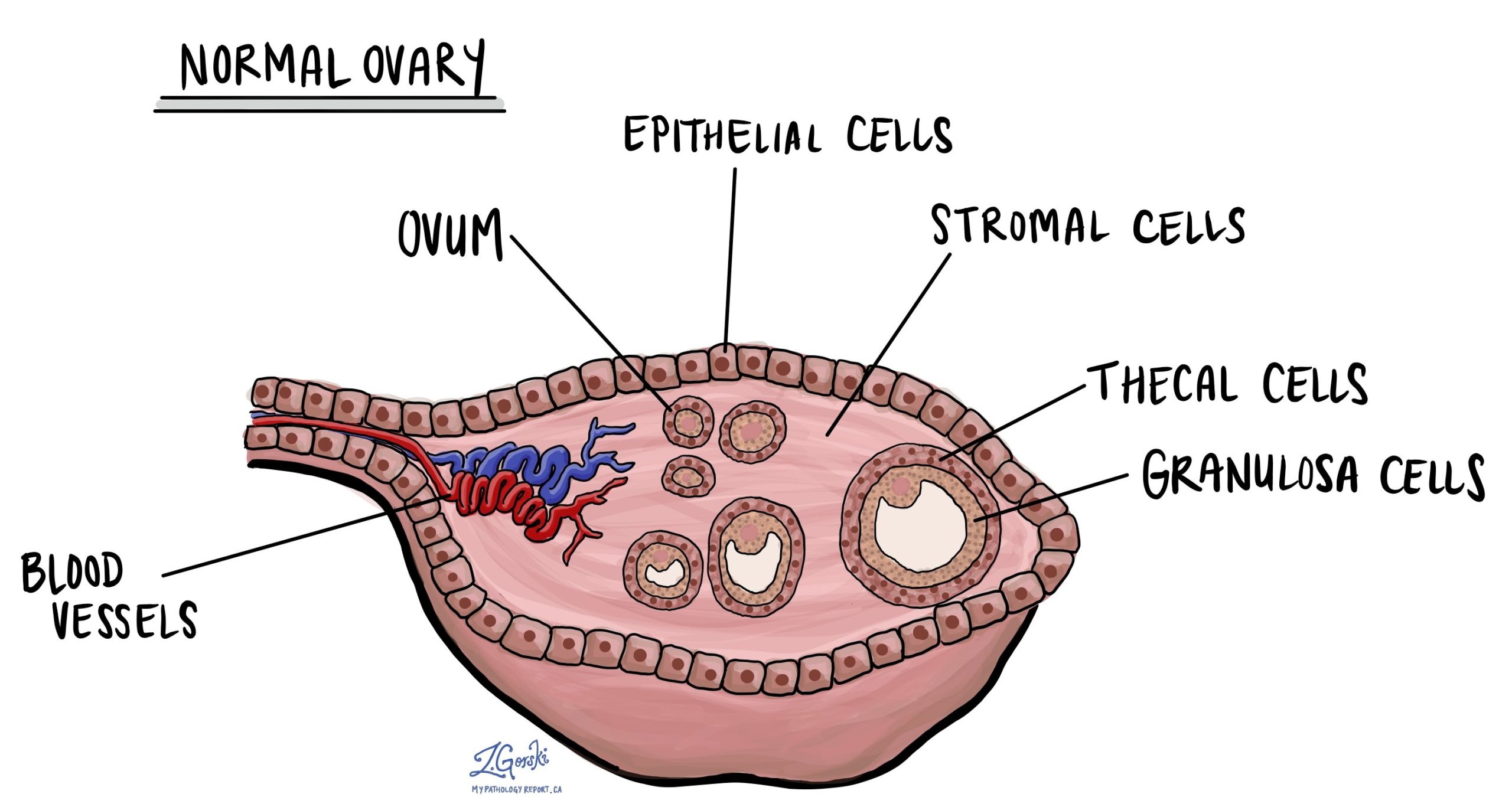
Understanding the normal ovary size is crucial for women's health, as it plays a significant role in reproductive function and overall well-being. The ovaries are small, almond-shaped organs located on either side of the uterus. They produce hormones, including estrogen and progesterone, and are responsible for the release of eggs during the menstrual cycle. Knowing what constitutes a normal ovary size can help in early detection of various health issues, including ovarian cysts, polycystic ovary syndrome (PCOS), and ovarian cancer.
What is Considered Normal Ovary Size?
The size of the ovaries can vary depending on several factors, including age and menstrual cycle phase. Generally, the normal ovary size for a premenopausal woman is about 3.0 to 5.0 centimeters in length, 1.5 to 3.0 centimeters in width, and 0.6 to 1.5 centimeters in thickness. However, these measurements can fluctuate slightly based on individual differences and the specific phase of the menstrual cycle.
Factors Affecting Ovary Size
Several factors can influence the size of the ovaries. Understanding these factors can help in interpreting any variations in ovary size.
- Age: Ovary size can change with age. In younger women, the ovaries are typically larger due to the presence of more follicles. As women approach menopause, the ovaries tend to shrink in size.
- Menstrual Cycle Phase: The size of the ovaries can vary during different phases of the menstrual cycle. During ovulation, the ovaries may be slightly larger due to the presence of a dominant follicle.
- Hormonal Imbalances: Conditions such as polycystic ovary syndrome (PCOS) can cause the ovaries to enlarge due to the presence of multiple cysts.
- Medical Conditions: Certain medical conditions, such as ovarian cysts or tumors, can affect the size of the ovaries.
Measuring Ovary Size
Ovary size is typically measured using imaging techniques such as ultrasound. Transvaginal ultrasound is the most common method used to assess ovary size, as it provides a clear view of the pelvic organs. During a transvaginal ultrasound, a probe is inserted into the vagina to obtain detailed images of the ovaries and surrounding structures.
During the ultrasound, the radiologist will measure the length, width, and thickness of each ovary. These measurements are then used to calculate the volume of the ovaries, which can help in determining if the ovaries are within the normal range.
Interpreting Ovary Size Measurements
Interpreting ovary size measurements requires a thorough understanding of the normal range and the factors that can affect ovary size. Here are some key points to consider:
- Normal Ovary Size: As mentioned earlier, the normal ovary size for a premenopausal woman is about 3.0 to 5.0 centimeters in length, 1.5 to 3.0 centimeters in width, and 0.6 to 1.5 centimeters in thickness.
- Enlarged Ovaries: Ovaries that are larger than the normal range may indicate the presence of cysts, tumors, or other medical conditions. Enlarged ovaries can also be a sign of hormonal imbalances, such as PCOS.
- Shrunken Ovaries: Ovaries that are smaller than the normal range may indicate menopause or other medical conditions that affect ovarian function.
It is important to note that ovary size can vary based on individual differences and the specific phase of the menstrual cycle. Therefore, it is essential to consult with a healthcare provider to interpret ovary size measurements accurately.
Conditions Affecting Normal Ovary Size
Several conditions can affect the normal ovary size, leading to either enlargement or shrinkage of the ovaries. Understanding these conditions can help in early detection and management.
Polycystic Ovary Syndrome (PCOS)
Polycystic ovary syndrome (PCOS) is a common hormonal disorder that affects women of reproductive age. PCOS is characterized by the presence of multiple cysts on the ovaries, which can cause the ovaries to enlarge. Other symptoms of PCOS include irregular menstrual periods, excess androgen levels, and polycystic ovaries.
PCOS can have significant impacts on a woman's health, including infertility, metabolic syndrome, and an increased risk of developing type 2 diabetes and cardiovascular disease. Early detection and management of PCOS are crucial for preventing long-term health complications.
Ovarian Cysts
Ovarian cysts are fluid-filled sacs that develop on or within the ovaries. Most ovarian cysts are benign and resolve on their own without treatment. However, some cysts can cause symptoms such as pelvic pain, bloating, and irregular menstrual periods. In rare cases, ovarian cysts can be malignant and require surgical removal.
Ovarian cysts can vary in size and may affect the normal ovary size. Regular monitoring and follow-up with a healthcare provider are essential for managing ovarian cysts effectively.
Ovarian Cancer
Ovarian cancer is a serious condition that affects the ovaries. It is often difficult to detect in the early stages, as symptoms may be vague or non-specific. Ovarian cancer can cause the ovaries to enlarge, leading to changes in normal ovary size. Other symptoms of ovarian cancer may include abdominal bloating, pelvic pain, and changes in bowel habits.
Early detection and treatment of ovarian cancer are crucial for improving outcomes. Regular gynecological exams and imaging tests, such as ultrasound, can help in the early detection of ovarian cancer.
Menopause
Menopause is a natural process that marks the end of a woman's menstrual cycles. During menopause, the ovaries gradually shrink in size and stop producing eggs. The normal ovary size during menopause is typically smaller than in premenopausal women. Other symptoms of menopause may include hot flashes, night sweats, and vaginal dryness.
Menopause is a normal part of aging, but it can have significant impacts on a woman's health and well-being. Regular follow-up with a healthcare provider can help in managing menopause symptoms and maintaining overall health.
When to Seek Medical Attention
It is essential to seek medical attention if you experience any symptoms that may indicate changes in normal ovary size. Some symptoms to watch for include:
- Pelvic pain or discomfort
- Abdominal bloating or swelling
- Irregular menstrual periods
- Excessive hair growth or acne
- Unexplained weight gain or loss
If you experience any of these symptoms, it is important to consult with a healthcare provider for a thorough evaluation. Early detection and management of conditions affecting normal ovary size can help prevent long-term health complications.
📌 Note: Regular gynecological exams and imaging tests, such as ultrasound, can help in the early detection of conditions affecting normal ovary size. It is essential to follow your healthcare provider's recommendations for routine screenings and follow-up care.
Maintaining Ovarian Health
Maintaining ovarian health is crucial for overall well-being and reproductive function. Here are some tips for maintaining ovarian health:
- Regular Exercise: Engaging in regular physical activity can help maintain a healthy weight and reduce the risk of conditions such as PCOS and ovarian cancer.
- Balanced Diet: Consuming a balanced diet rich in fruits, vegetables, whole grains, and lean proteins can support ovarian health and overall well-being.
- Avoid Smoking: Smoking can increase the risk of ovarian cancer and other health complications. Quitting smoking can help improve ovarian health and reduce the risk of long-term health issues.
- Regular Check-ups: Regular gynecological exams and imaging tests can help in the early detection of conditions affecting normal ovary size. It is essential to follow your healthcare provider's recommendations for routine screenings and follow-up care.
By following these tips, you can support ovarian health and reduce the risk of conditions that affect normal ovary size.
Ovarian health is a critical aspect of women’s overall well-being. Understanding the normal ovary size and the factors that can affect it is essential for early detection and management of various health conditions. Regular follow-up with a healthcare provider and maintaining a healthy lifestyle can help support ovarian health and prevent long-term complications. By staying informed and proactive about ovarian health, women can take control of their reproductive function and overall well-being.