Mutations in animals are fascinating phenomena that occur when there is a change in the DNA sequence of an organism. These changes can be spontaneous or induced by various factors such as radiation, chemicals, or viruses. Mutations can have profound effects on an animal's phenotype, behavior, and overall survival. Understanding mutations in animals is crucial for fields such as genetics, evolution, and conservation biology.
Types of Mutations in Animals
Mutations in animals can be categorized into several types based on their nature and effects. The primary types include:
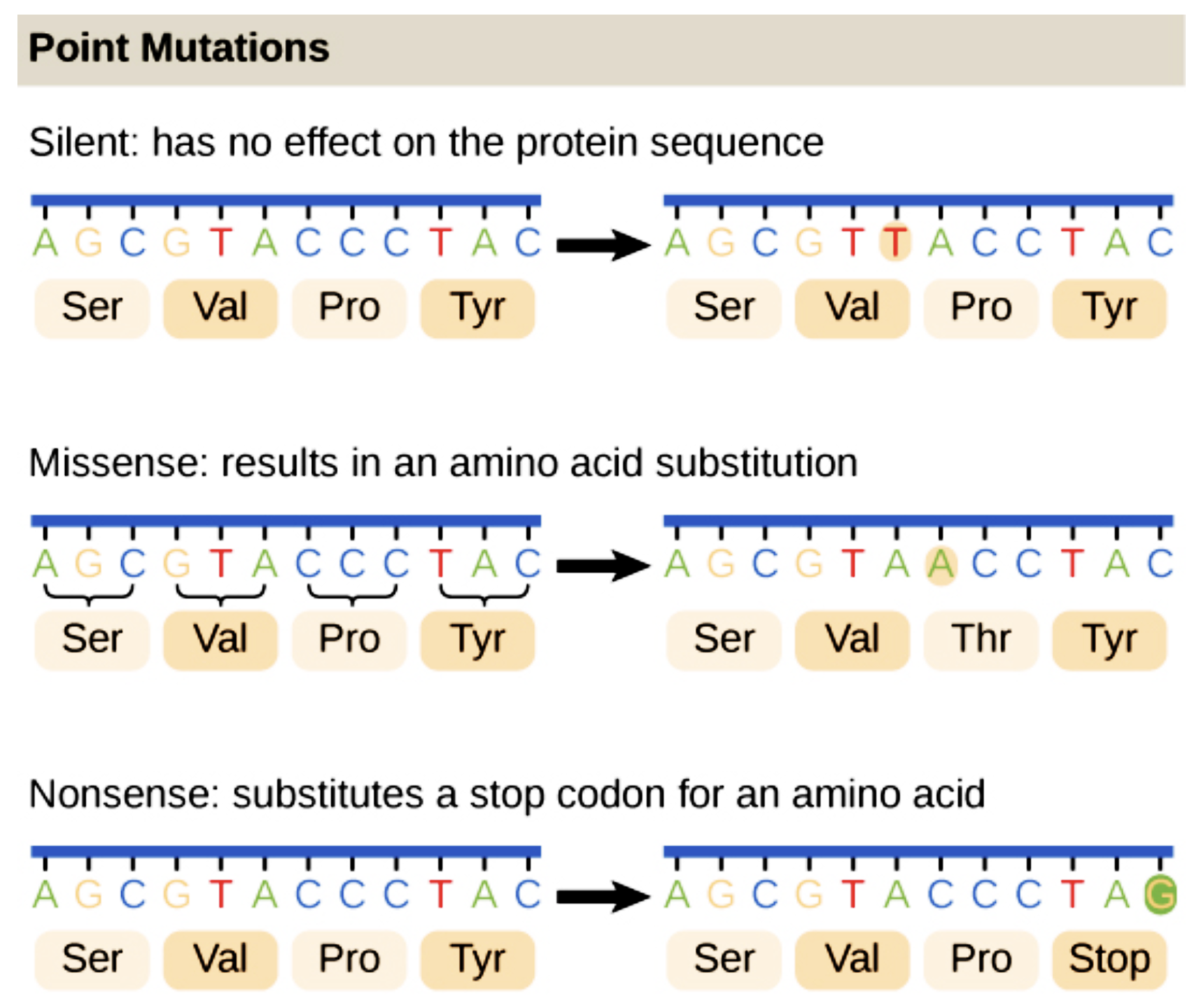
- Point Mutations: These are changes in a single nucleotide within the DNA sequence. They can be further classified into:
- Silent Mutations: These do not affect the amino acid sequence of the protein.
- Missense Mutations: These result in a different amino acid being incorporated into the protein.
- Nonsense Mutations: These introduce a premature stop codon, leading to a truncated protein.
- Insertions and Deletions (Indels): These involve the addition or removal of one or more nucleotides in the DNA sequence. Indels can cause frameshift mutations, which significantly alter the amino acid sequence.
- Chromosomal Mutations: These affect larger segments of DNA and can include:
- Duplications: Extra copies of a DNA segment.
- Deletions: Loss of a DNA segment.
- Inversions: Reversal of a DNA segment.
- Translocations: Movement of a DNA segment to a different chromosome.
Causes of Mutations in Animals
Mutations in animals can arise from various sources, both natural and artificial. Some of the common causes include:
- Spontaneous Mutations: These occur naturally during DNA replication or repair processes. They are often random and can happen in any cell type.
- Environmental Factors: Exposure to certain environmental agents can induce mutations. These include:
- Radiation: UV light, X-rays, and gamma rays can damage DNA.
- Chemicals: Certain chemicals, known as mutagens, can alter DNA structure.
- Viruses: Some viruses can insert their genetic material into the host's DNA, causing mutations.
- Genetic Engineering: Scientists can deliberately introduce mutations into an animal's genome using techniques such as CRISPR-Cas9. This is often done for research purposes or to create genetically modified organisms (GMOs).
Effects of Mutations in Animals
Mutations can have a wide range of effects on animals, from beneficial to detrimental. Some of the key effects include:
- Beneficial Mutations: These can confer an evolutionary advantage, such as increased resistance to diseases or improved adaptation to the environment. For example, the sickle cell trait in humans provides resistance to malaria.
- Neutral Mutations: These have no significant effect on the organism's fitness. They may not alter the phenotype or may have minimal impact on the animal's survival and reproduction.
- Detrimental Mutations: These can be harmful or even lethal. They may cause genetic disorders, developmental abnormalities, or reduced fitness. For instance, mutations in the BRCA1 gene in humans increase the risk of breast and ovarian cancer.
Examples of Mutations in Animals
There are numerous examples of mutations in animals that have been studied extensively. Some notable examples include:
- Albino Animals: Albinism is a genetic condition characterized by the absence of melanin, the pigment that gives color to skin, hair, and eyes. It is caused by mutations in genes involved in melanin production. Albino animals are often more susceptible to UV damage and have visual impairments.
- Polydactyly: This is a condition where an animal has more than the usual number of digits on its hands or feet. It is often caused by mutations in genes that regulate limb development. Polydactyly can be seen in various species, including cats, dogs, and humans.
- Achondroplasia: This is a form of dwarfism caused by mutations in the FGFR3 gene. It affects bone growth and results in short stature. Achondroplasia is seen in various animal species, including dogs and humans.
Here is a table summarizing some common mutations in animals and their effects:
| Mutation Type | Example | Effect |
|---|---|---|
| Albinism | Albino animals | Absence of melanin, increased UV sensitivity, visual impairments |
| Polydactyly | Polydactyl cats, dogs | Extra digits on hands or feet |
| Achondroplasia | Dwarf animals | Short stature, abnormal bone growth |
📝 Note: The table above provides a brief overview of some common mutations in animals. The effects of mutations can vary widely depending on the specific gene and the type of mutation.
Mutations in Animals and Evolution
Mutations play a crucial role in evolution by introducing genetic variation into populations. This variation is the raw material for natural selection, which drives the evolution of species over time. Mutations can lead to the emergence of new traits that may confer an advantage in a changing environment. For example, mutations that confer resistance to a new pathogen can help a population survive and reproduce, leading to the spread of the beneficial mutation through the population.
Mutations can also contribute to speciation, the process by which new species arise. When a population becomes isolated from others of its kind, mutations can accumulate in the isolated population, leading to genetic divergence. Over time, these genetic differences can become so pronounced that the isolated population can no longer interbreed with the original population, resulting in the formation of a new species.
Mutations in Animals and Conservation
Understanding mutations in animals is also important for conservation biology. Many endangered species face threats from genetic disorders and reduced genetic diversity, which can be exacerbated by mutations. Conservation efforts often focus on maintaining genetic diversity within populations to ensure their long-term survival. This can involve:
- Captive breeding programs: These aim to maintain genetic diversity by breeding individuals from different populations.
- Genetic monitoring: Regular monitoring of genetic diversity can help identify populations at risk of genetic disorders.
- Genetic rescue: Introducing new genetic material into a population to increase diversity and reduce the risk of inbreeding depression.
By understanding the role of mutations in animals, conservationists can develop more effective strategies to protect endangered species and maintain biodiversity.
Mutations in animals are a fundamental aspect of genetics and evolution. They provide the genetic variation necessary for adaptation and speciation, and they play a crucial role in conservation efforts. By studying mutations, scientists can gain insights into the mechanisms of genetic change and develop strategies to protect and preserve biodiversity.
Mutations in animals are a fascinating and complex field of study. They offer a window into the underlying mechanisms of genetic change and provide valuable insights into the processes of evolution and adaptation. By understanding mutations, we can better appreciate the diversity of life on Earth and develop strategies to protect and preserve it for future generations.
Related Terms:
- animal mutations examples
- real life mutated animals
- genetic mutations effects on animals
- animals that have mutated
- how do animals get mutations
- mutation examples in animals