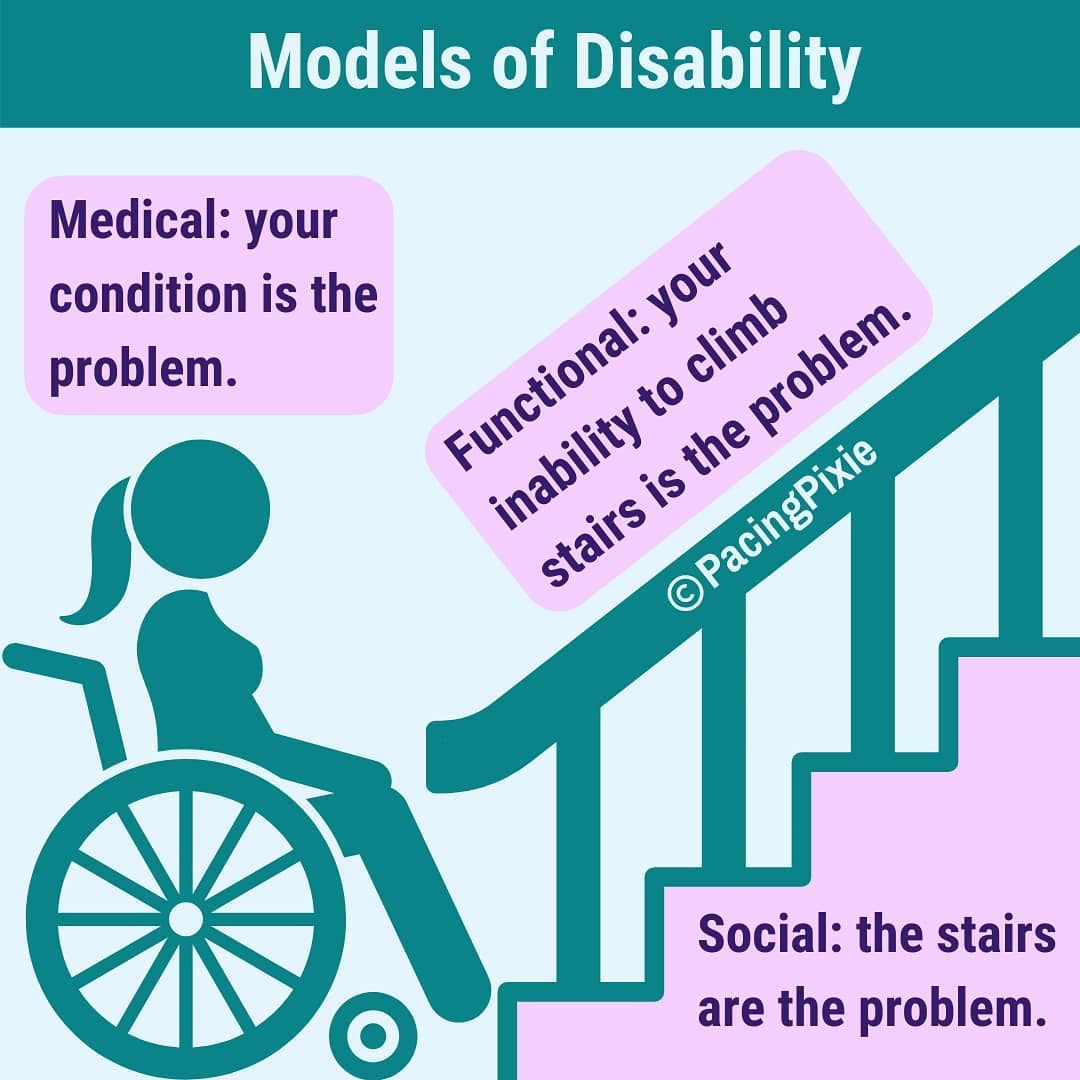
Understanding the Model of Disability is crucial for creating inclusive environments and policies that support individuals with disabilities. This model provides a framework for comprehending the challenges faced by people with disabilities and how society can address these issues. By exploring the different aspects of the Model of Disability, we can gain insights into how to foster a more inclusive world.
Understanding the Social Model of Disability
The Social Model of Disability is a widely accepted framework that emphasizes the role of society in creating barriers for individuals with disabilities. This model shifts the focus from the individual’s impairment to the environmental and social factors that hinder their full participation in society. By understanding this model, we can better address the systemic issues that contribute to disability.
Key points of the Social Model of Disability include:
- Environmental Barriers: Physical and attitudinal barriers in the environment that prevent individuals with disabilities from participating fully.
- Social Attitudes: Prejudices and stereotypes that create a stigmatized view of disability.
- Policy and Legislation: Laws and policies that either support or hinder the inclusion of individuals with disabilities.
By recognizing these factors, we can work towards creating more inclusive environments that support the needs of all individuals.
The Medical Model of Disability
The Medical Model of Disability focuses on the individual’s impairment and views disability as a medical condition that requires treatment or cure. This model has been criticized for its tendency to medicalize disability and overlook the social and environmental factors that contribute to it. However, it is important to understand this model to appreciate the broader context of disability.
Key points of the Medical Model of Disability include:
- Impairment: The physical or mental condition that affects an individual's functioning.
- Treatment and Cure: The focus on medical interventions to alleviate or cure the impairment.
- Individual Focus: The emphasis on the individual's condition rather than the environmental and social factors.
While the Medical Model of Disability has its limitations, it is essential to recognize the role of medical interventions in supporting individuals with disabilities.
Comparing the Models
To better understand the Model of Disability, it is helpful to compare the Social and Medical models. This comparison highlights the strengths and weaknesses of each approach and how they can complement each other in creating a more comprehensive understanding of disability.
| Aspect | Social Model of Disability | Medical Model of Disability |
|---|---|---|
| Focus | Environmental and social barriers | Individual impairment |
| Barriers | Physical, attitudinal, and policy barriers | Medical condition |
| Interventions | Social and environmental changes | Medical treatment and cure |
By integrating the insights from both models, we can develop a more holistic approach to supporting individuals with disabilities.
Implementing the Social Model of Disability
Implementing the Social Model of Disability involves creating inclusive environments and policies that address the barriers faced by individuals with disabilities. This can be achieved through various strategies, including:
- Accessible Design: Ensuring that buildings, public spaces, and digital platforms are accessible to all individuals.
- Inclusive Education: Providing educational opportunities that cater to the diverse needs of students with disabilities.
- Employment Opportunities: Creating job opportunities and supportive work environments for individuals with disabilities.
- Policy and Legislation: Advocating for laws and policies that promote the rights and inclusion of individuals with disabilities.
By focusing on these areas, we can create a more inclusive society that supports the full participation of individuals with disabilities.
📝 Note: Implementing the Social Model of Disability requires a collaborative effort from individuals, communities, and governments. It is essential to involve individuals with disabilities in the decision-making process to ensure that their needs are met.
Challenges and Solutions
Implementing the Social Model of Disability is not without its challenges. Some of the common obstacles include:
- Resistance to Change: Individuals and organizations may resist changes that promote inclusion.
- Lack of Awareness: Many people are unaware of the barriers faced by individuals with disabilities.
- Resource Limitations: Limited resources can hinder the implementation of inclusive policies and practices.
To overcome these challenges, it is important to:
- Educate and Raise Awareness: Increase public awareness about the Social Model of Disability and the barriers faced by individuals with disabilities.
- Advocate for Change: Advocate for policies and practices that promote inclusion and address the barriers faced by individuals with disabilities.
- Collaborate and Partner: Work with individuals, communities, and organizations to create inclusive environments and policies.
By addressing these challenges, we can create a more inclusive society that supports the full participation of individuals with disabilities.
📝 Note: Collaboration and partnership are key to overcoming the challenges of implementing the Social Model of Disability. It is essential to involve all stakeholders in the process to ensure that their needs are met.
Case Studies
To illustrate the practical application of the Social Model of Disability, let’s examine a few case studies that highlight successful implementations and their impact on individuals with disabilities.
Case Study 1: Accessible Public Transportation
In many cities, public transportation systems have been redesigned to be more accessible to individuals with disabilities. This includes the installation of ramps, elevators, and audio announcements. These changes have significantly improved the mobility and independence of individuals with disabilities, allowing them to participate more fully in society.
Case Study 2: Inclusive Education Programs
Schools have implemented inclusive education programs that cater to the diverse needs of students with disabilities. These programs include specialized teaching methods, assistive technologies, and supportive environments. As a result, students with disabilities have better educational outcomes and are more likely to succeed in their academic and professional lives.
Case Study 3: Employment Initiatives
Companies have introduced employment initiatives that provide job opportunities and supportive work environments for individuals with disabilities. These initiatives include training programs, flexible work arrangements, and accommodations that meet the specific needs of employees with disabilities. As a result, individuals with disabilities have better employment prospects and are more likely to achieve financial independence.
These case studies demonstrate the positive impact of implementing the Social Model of Disability and highlight the importance of creating inclusive environments and policies.
📝 Note: Successful implementation of the Social Model of Disability requires a commitment to continuous improvement and adaptation. It is essential to regularly review and update policies and practices to ensure that they meet the evolving needs of individuals with disabilities.
Future Directions
The future of the Model of Disability lies in continued advocacy, education, and collaboration. By working together, we can create a more inclusive society that supports the full participation of individuals with disabilities. Some future directions include:
- Technological Innovations: Leveraging technology to create more accessible environments and tools for individuals with disabilities.
- Policy Advocacy: Advocating for policies that promote the rights and inclusion of individuals with disabilities.
- Community Engagement: Engaging communities in the creation of inclusive environments and policies.
By focusing on these areas, we can create a more inclusive society that supports the full participation of individuals with disabilities.
In conclusion, understanding the Model of Disability is essential for creating inclusive environments and policies that support individuals with disabilities. By recognizing the role of society in creating barriers and focusing on environmental and social factors, we can develop a more comprehensive understanding of disability. Through education, advocacy, and collaboration, we can create a more inclusive society that supports the full participation of individuals with disabilities. By implementing the Social Model of Disability, we can address the systemic issues that contribute to disability and foster a more inclusive world.
Related Terms:
- rehabilitation model of disability
- social model of disability uk
- medical model of disability
- traditional model of disability
- 7 models of disability
- social model of disability