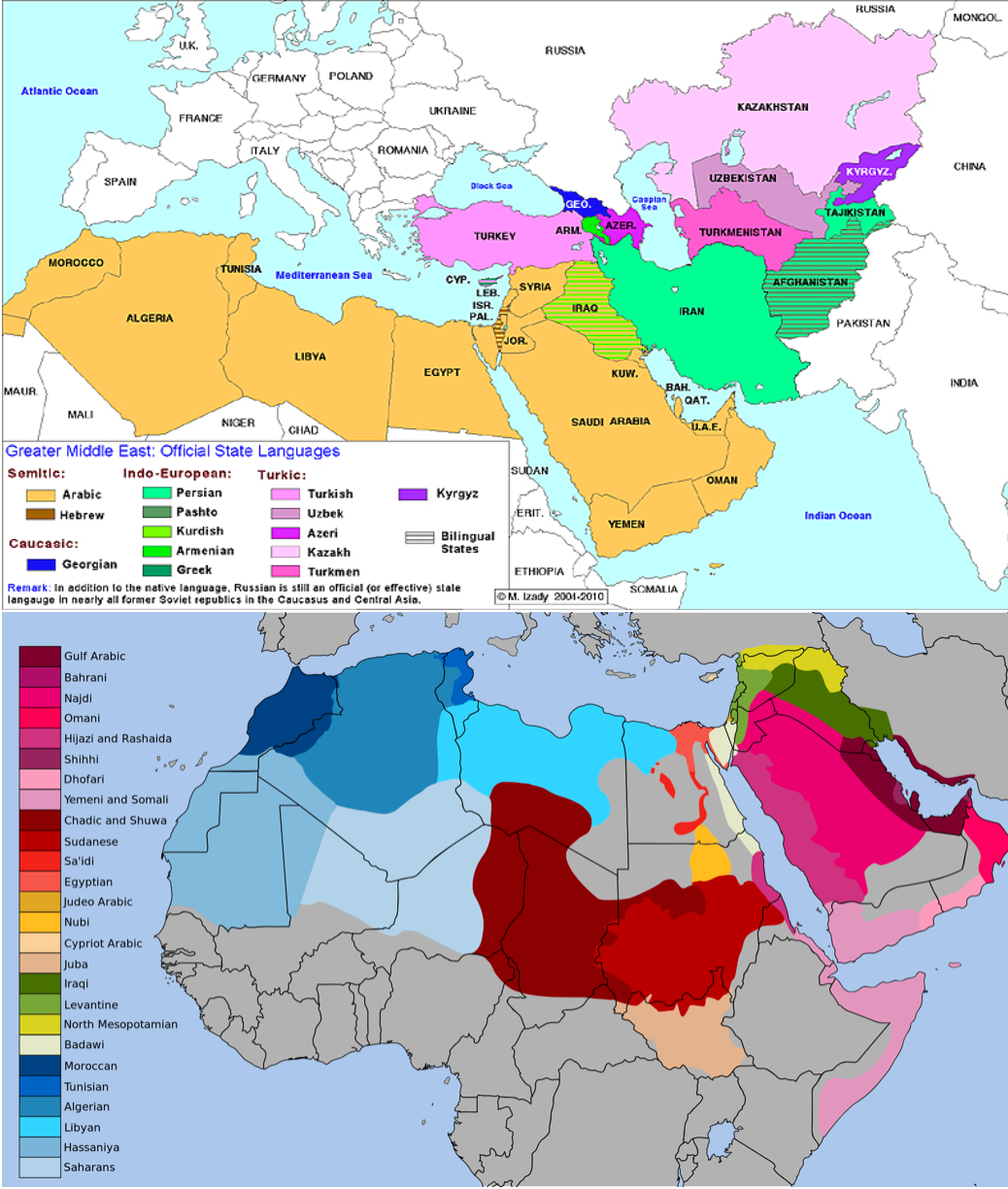
Exploring the rich tapestry of Middle East Languages reveals a world of cultural depth and linguistic diversity. The Middle East is a region where languages have evolved over centuries, shaped by trade, conquest, and cultural exchange. Understanding these languages provides a window into the history, traditions, and contemporary life of the people who speak them.
Historical Context of Middle East Languages
The Middle East has been a crossroads of civilizations for millennia. The region's linguistic landscape is a testament to its historical significance. Languages like Arabic, Hebrew, and Persian have roots that stretch back thousands of years, each with its own unique script and phonetic system.
Arabic, for instance, is one of the most widely spoken languages in the Middle East. It is the official language of many countries in the region, including Saudi Arabia, Egypt, and Iraq. Arabic is also the language of the Quran, making it a sacred language for Muslims worldwide. The Arabic script, with its distinctive calligraphic style, is not only a means of communication but also an art form.
Hebrew, another significant language in the Middle East, has a rich history dating back to ancient times. It was the language of the Israelites and is still spoken today in Israel. Modern Hebrew, revived in the late 19th and early 20th centuries, is a testament to the resilience of the Jewish people and their cultural heritage.
Persian, also known as Farsi, is the official language of Iran and is spoken in parts of Afghanistan and Tajikistan. Persian has a long literary tradition, with works by poets like Rumi and Hafez still celebrated today. The Persian script, derived from the Arabic script, has its own unique characteristics and is written from right to left.
Modern Usage and Evolution
In the modern era, Middle East Languages continue to evolve, influenced by globalization and technological advancements. Arabic, for example, has seen the emergence of new dialects and slang, particularly among younger generations. Social media and digital communication have played a significant role in shaping contemporary Arabic, with new words and phrases being coined regularly.
Hebrew, too, has adapted to modern times. The revival of Hebrew as a spoken language in the late 19th century was a monumental achievement. Today, it is the language of education, media, and daily life in Israel. The language has incorporated many modern terms and expressions, reflecting the dynamic nature of Israeli society.
Persian has also undergone changes, particularly in the realm of technology and media. The internet has facilitated the spread of Persian language content, making it accessible to a global audience. Persian literature, music, and cinema continue to thrive, contributing to the rich cultural heritage of the Middle East.
Cultural Significance
The cultural significance of Middle East Languages cannot be overstated. These languages are not just tools for communication; they are carriers of cultural identity, history, and values. Arabic, for example, is the language of the Quran and Islamic scholarship, making it a sacred language for Muslims. It is also the language of classical Arabic poetry and literature, which have influenced cultures far beyond the Middle East.
Hebrew, as the language of the Jewish people, carries deep religious and cultural significance. It is the language of the Torah and Jewish liturgy, and its revival as a spoken language is a symbol of Jewish resilience and cultural renewal.
Persian, with its rich literary tradition, has contributed significantly to world literature. Persian poetry, in particular, is renowned for its beauty and depth. Poets like Rumi and Hafez have left a lasting impact on world literature, and their works continue to be studied and appreciated globally.
Challenges and Opportunities
Despite their rich heritage, Middle East Languages face several challenges in the modern world. One of the primary challenges is the dominance of English as the global lingua franca. English is widely used in education, business, and technology, which can sometimes overshadow the use of local languages.
Another challenge is the preservation of linguistic diversity. With globalization, there is a risk of languages becoming homogenized, leading to the loss of unique linguistic and cultural identities. Efforts are being made to preserve and promote these languages through education, media, and cultural initiatives.
However, there are also opportunities for growth and development. The digital age has opened up new avenues for language learning and cultural exchange. Online platforms, social media, and digital content creation provide new ways to engage with Middle East Languages and share their cultural richness with a global audience.
Learning Middle East Languages
Learning a Middle East Language can be a rewarding experience, offering insights into a rich cultural heritage and a deeper understanding of the region. Here are some tips for those interested in learning these languages:
- Start with the Basics: Begin with the alphabet and basic grammar. Arabic, Hebrew, and Persian all have unique scripts, so getting comfortable with the writing system is crucial.
- Use Language Learning Apps: Apps like Duolingo, Rosetta Stone, and Memrise offer structured courses in Arabic, Hebrew, and Persian. These apps can be a great starting point for beginners.
- Immerse Yourself: Watch movies, listen to music, and read literature in the language you are learning. This will help you get a feel for the language's rhythm and nuances.
- Practice Regularly: Consistency is key in language learning. Set aside time each day to practice speaking, writing, and listening.
- Join Language Exchange Programs: Connect with native speakers through language exchange programs. This can provide valuable practice and cultural insights.
📚 Note: Learning a new language requires patience and dedication. Don't be discouraged by initial difficulties; with consistent effort, you will see progress.
Impact on Global Communication
The influence of Middle East Languages extends beyond the region, impacting global communication and cultural exchange. Arabic, for example, is one of the six official languages of the United Nations, reflecting its global significance. Hebrew and Persian also have significant diaspora communities, contributing to the linguistic and cultural diversity of many countries.
In the realm of academia, Middle East Languages are studied for their historical and literary significance. Scholars and researchers delve into the rich literary traditions of these languages, uncovering insights into the region's history and culture. This academic interest helps preserve and promote these languages, ensuring their continued relevance in the modern world.
In the business world, knowledge of Middle East Languages can be a valuable asset. The Middle East is a region of strategic importance, with significant economic and political influence. Proficiency in Arabic, Hebrew, or Persian can open doors to new opportunities in trade, diplomacy, and international relations.
Conclusion
The study and appreciation of Middle East Languages offer a gateway to understanding the rich cultural heritage of the region. From the sacred texts of the Quran to the poetic works of Rumi, these languages carry the weight of history and the depth of human experience. As the world becomes more interconnected, the importance of preserving and promoting these languages cannot be overstated. They are not just tools for communication but carriers of cultural identity, history, and values. By embracing and learning these languages, we enrich our own understanding and contribute to the preservation of a vibrant and diverse linguistic landscape.
Related Terms:
- middle eastern language map
- middle eastern languages list
- ancient middle eastern languages
- most common middle eastern languages
- ancient middle east languages
- language map of middle east