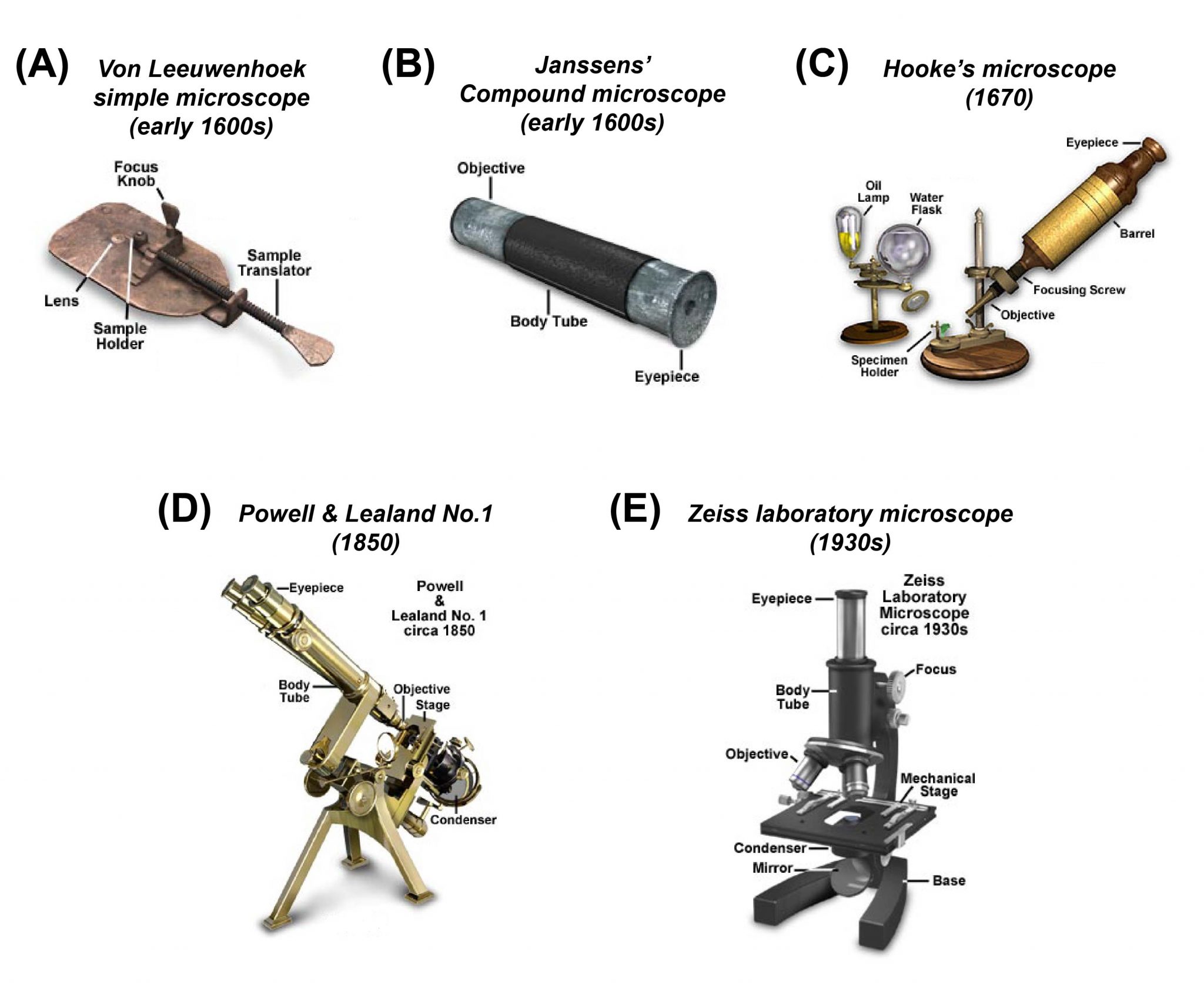
Microscopes are indispensable tools in various scientific fields, enabling researchers to observe and study objects that are too small to be seen with the naked eye. The microscope and types available today cater to a wide range of applications, from biological research to materials science. Understanding the different types of microscopes and their specific uses can help in selecting the right tool for any given task.
Introduction to Microscopes
A microscope is an instrument used to see objects that are too small to be viewed by the human eye. The basic principle behind a microscope is the use of lenses to magnify the image of an object. There are several types of microscopes, each designed for specific purposes and offering unique advantages.
Optical Microscopes
Optical microscopes, also known as light microscopes, use visible light and a system of lenses to magnify images. They are commonly used in educational settings and for routine laboratory work. Optical microscopes can be further categorized into several types:
- Compound Microscopes: These are the most common type of optical microscopes, featuring multiple lenses to achieve high magnification. They are widely used in biology and medicine for examining cells and tissues.
- Stereo Microscopes: Also known as dissecting microscopes, these provide a three-dimensional view of the specimen. They are often used in fields like entomology and for dissections.
- Phase-Contrast Microscopes: These microscopes use phase contrast to enhance the contrast of transparent specimens, making them ideal for observing living cells.
- Fluorescence Microscopes: These microscopes use fluorescent dyes to highlight specific structures within a specimen, making them invaluable for studying cellular processes.
Electron Microscopes
Electron microscopes use a beam of electrons instead of light to achieve much higher magnification and resolution than optical microscopes. They are essential for studying the ultrastructure of cells and materials at the nanoscale. The main types of electron microscopes include:
- Transmission Electron Microscopes (TEM): These microscopes pass a beam of electrons through a thin specimen to produce an image. They are used to study the internal structure of cells and materials.
- Scanning Electron Microscopes (SEM): These microscopes scan a beam of electrons across the surface of a specimen to produce a detailed image. They are used to study the surface topography of materials.
Scanning Probe Microscopes
Scanning probe microscopes use a physical probe to scan the surface of a specimen, providing extremely high-resolution images. These microscopes are particularly useful for studying the surface properties of materials at the atomic level. The most common types are:
- Atomic Force Microscopes (AFM): These microscopes use a sharp probe to scan the surface of a specimen, measuring the forces between the probe and the surface. They are used to study the topography and mechanical properties of materials.
- Scanning Tunneling Microscopes (STM): These microscopes use a sharp probe to scan the surface of a conductive specimen, measuring the tunneling current between the probe and the surface. They are used to study the electronic structure of materials at the atomic level.
Specialized Microscopes
In addition to the standard types, there are several specialized microscopes designed for specific applications. These include:
- Confocal Microscopes: These microscopes use laser light and a pinhole to eliminate out-of-focus light, producing high-resolution images of thick specimens. They are widely used in biological research.
- Super-Resolution Microscopes: These microscopes use advanced techniques to achieve resolution beyond the diffraction limit of light. They include techniques like STED (Stimulated Emission Depletion) and PALM (Photoactivated Localization Microscopy).
- X-Ray Microscopes: These microscopes use X-rays to produce images of internal structures, making them useful for studying the composition and structure of materials.
Applications of Microscopes
The microscope and types available today have a wide range of applications across various fields. Some of the key applications include:
- Biological Research: Microscopes are essential for studying cells, tissues, and organisms at the microscopic level. They are used in fields like genetics, microbiology, and pathology.
- Materials Science: Microscopes are used to study the structure and properties of materials at the nanoscale, aiding in the development of new materials and technologies.
- Forensics: Microscopes are used to analyze evidence in criminal investigations, helping to identify trace materials and provide crucial evidence.
- Industrial Quality Control: Microscopes are used to inspect the quality of products, ensuring that they meet the required standards and specifications.
Here is a table summarizing the different types of microscopes and their applications:
| Type of Microscope | Principle | Applications |
|---|---|---|
| Compound Microscope | Multiple lenses | Biological research, education |
| Stereo Microscope | Three-dimensional view | Entomology, dissections |
| Phase-Contrast Microscope | Phase contrast | Living cells |
| Fluorescence Microscope | Fluorescent dyes | Cellular processes |
| Transmission Electron Microscope (TEM) | Electron beam through specimen | Cellular ultrastructure |
| Scanning Electron Microscope (SEM) | Electron beam scanning | Surface topography |
| Atomic Force Microscope (AFM) | Physical probe | Surface properties |
| Scanning Tunneling Microscope (STM) | Tunneling current | Electronic structure |
| Confocal Microscope | Laser light and pinhole | Thick specimens |
| Super-Resolution Microscope | Advanced techniques | High-resolution imaging |
| X-Ray Microscope | X-rays | Internal structures |
🔍 Note: The choice of microscope depends on the specific requirements of the application, including the type of specimen, the desired resolution, and the need for three-dimensional imaging.
Microscopes have revolutionized our understanding of the microscopic world, enabling breakthroughs in various scientific fields. From the simple compound microscope to the advanced electron and scanning probe microscopes, each type offers unique capabilities and advantages. As technology continues to advance, we can expect even more innovative microscope and types to emerge, further expanding our ability to explore and understand the world at the smallest scales.
Related Terms:
- 2 different types of microscopes
- 5 types of microscopes
- name 2 types of microscopes
- list several types of microscopes
- 2 types of microscopes
- 4 types of microscopes