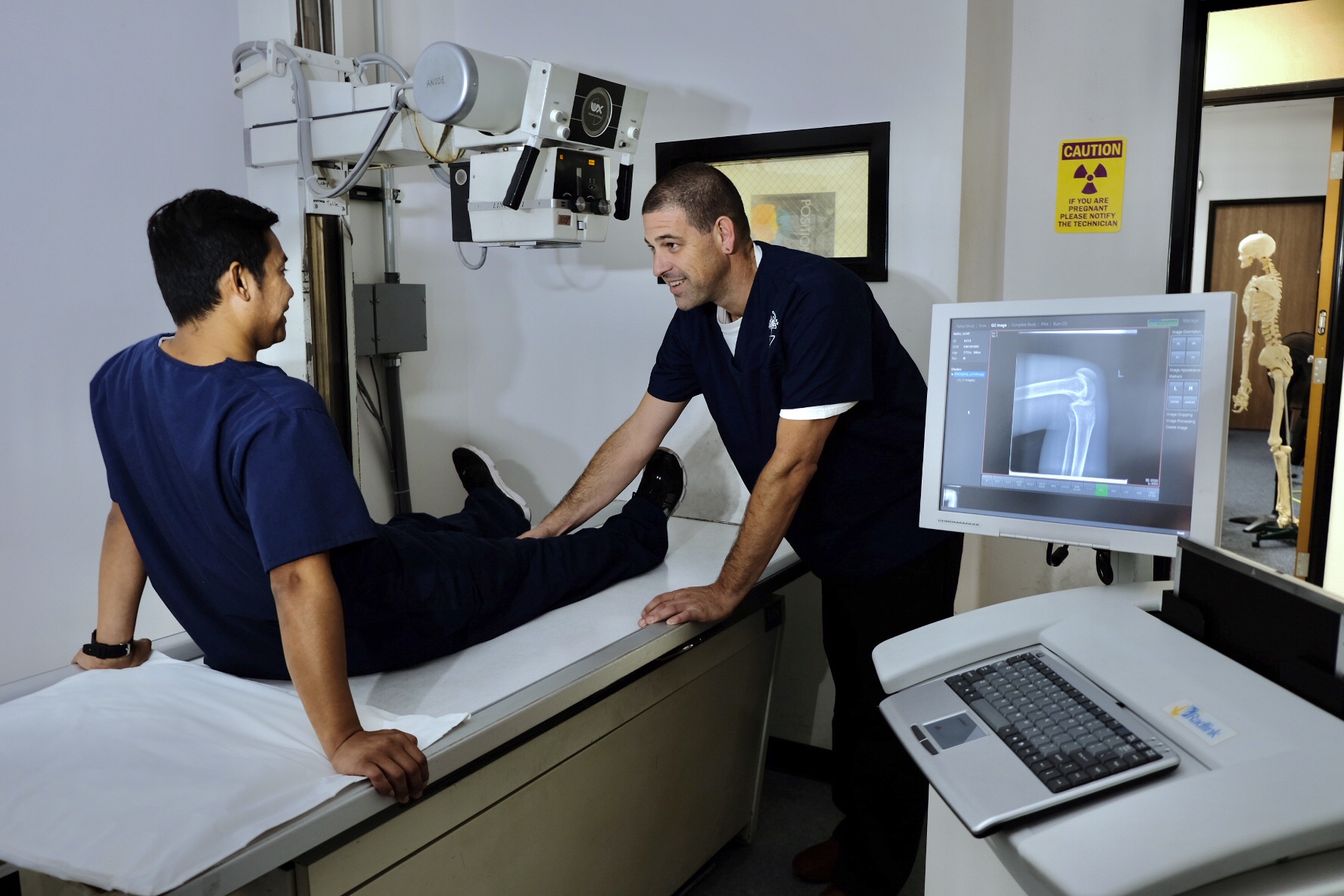
Embarking on a career in healthcare can be both rewarding and challenging, and one of the most critical roles in this field is that of a Medical Technologist. A Medical Technologist Program is designed to equip individuals with the necessary skills and knowledge to perform diagnostic tests and analyze body fluids, tissues, and other substances. This program is essential for those who aspire to work in clinical laboratories, hospitals, and research facilities.
Understanding the Medical Technologist Program
A Medical Technologist Program is a comprehensive educational pathway that prepares students for a career in medical laboratory science. This program typically includes coursework in biology, chemistry, microbiology, and clinical laboratory techniques. The curriculum is designed to provide a strong foundation in both theoretical knowledge and practical skills.
Students in a Medical Technologist Program learn to operate complex laboratory equipment, perform various diagnostic tests, and interpret results accurately. The program also emphasizes the importance of quality control, safety protocols, and ethical practices in the laboratory setting.
Curriculum Overview
The curriculum of a Medical Technologist Program is meticulously designed to cover a wide range of topics essential for laboratory work. Here is a breakdown of the key components:
- Biology and Chemistry: These foundational courses provide students with a deep understanding of the biological and chemical processes that underlie human health and disease.
- Microbiology: This subject focuses on the study of microorganisms, including bacteria, viruses, and fungi, and their role in human health and disease.
- Clinical Laboratory Techniques: Students learn to perform various diagnostic tests, such as blood tests, urine analysis, and tissue examinations.
- Quality Control and Safety: These courses emphasize the importance of maintaining high standards of quality and safety in the laboratory environment.
- Ethical Practices: Students are taught the ethical considerations and professional standards that guide the work of medical technologists.
Importance of Hands-On Training
One of the most critical aspects of a Medical Technologist Program is the hands-on training component. This practical experience is essential for students to develop the skills necessary to perform laboratory tests accurately and efficiently. Hands-on training typically includes:
- Laboratory Rotations: Students rotate through various laboratory departments, such as hematology, microbiology, and chemistry, to gain experience in different areas of laboratory science.
- Clinical Internships: Many programs require students to complete clinical internships in hospitals or other healthcare settings, providing real-world experience under the supervision of experienced medical technologists.
- Simulation Labs: These labs allow students to practice laboratory techniques in a controlled environment, simulating real-world scenarios and challenges.
Hands-on training is crucial for developing the technical skills and confidence needed to work in a clinical laboratory setting. It also provides students with the opportunity to apply theoretical knowledge to practical situations, enhancing their understanding and competence.
🔍 Note: Hands-on training is often a requirement for certification and licensure, so it is essential to choose a program that offers comprehensive practical experience.
Certification and Licensure
Upon completion of a Medical Technologist Program, graduates must obtain certification and licensure to practice as medical technologists. Certification is typically provided by organizations such as the American Society for Clinical Pathology (ASCP) or the National Credentialing Agency for Laboratory Personnel (NCA).
Certification exams assess the knowledge and skills acquired during the program and ensure that graduates are competent to perform laboratory tests and procedures. Licensure requirements vary by state, but they generally involve passing a certification exam and meeting specific educational and training criteria.
Certification and licensure are essential for employment in clinical laboratories and other healthcare settings. They demonstrate to employers and patients that the medical technologist has met the necessary standards of competence and professionalism.
Career Opportunities
Graduates of a Medical Technologist Program have a wide range of career opportunities in the healthcare industry. Some of the most common roles include:
- Clinical Laboratory Technologist: These professionals work in hospitals, clinics, and diagnostic laboratories, performing diagnostic tests and analyzing results.
- Research Technologist: In research settings, medical technologists assist in conducting studies and experiments, contributing to the development of new diagnostic techniques and treatments.
- Quality Control Specialist: These specialists ensure that laboratory procedures and equipment meet quality standards, maintaining the accuracy and reliability of test results.
- Phlebotomist: Phlebotomists specialize in drawing blood samples from patients for diagnostic testing.
Medical technologists play a crucial role in the diagnosis and treatment of diseases. Their work is essential for providing accurate and timely information to healthcare providers, enabling them to make informed decisions about patient care.
Skills and Qualities of a Successful Medical Technologist
To excel in a Medical Technologist Program and in the field of medical laboratory science, certain skills and qualities are essential. These include:
- Attention to Detail: Medical technologists must be meticulous in their work, ensuring that tests are performed accurately and results are interpreted correctly.
- Analytical Skills: The ability to analyze complex data and draw meaningful conclusions is crucial for diagnosing diseases and monitoring patient health.
- Technical Proficiency: Proficiency in operating laboratory equipment and performing diagnostic tests is essential for the role.
- Communication Skills: Effective communication with healthcare providers and patients is important for conveying test results and recommendations clearly and accurately.
- Problem-Solving Skills: Medical technologists often encounter challenges and must be able to troubleshoot and resolve issues quickly and efficiently.
These skills and qualities are developed through the comprehensive curriculum and hands-on training provided in a Medical Technologist Program. They are essential for success in the field and for providing high-quality patient care.
Challenges and Rewards
Pursuing a career as a medical technologist comes with its own set of challenges and rewards. Some of the challenges include:
- High Pressure: Medical technologists often work under tight deadlines and must ensure that test results are accurate and timely.
- Physical Demands: The role may involve standing for long periods, handling hazardous materials, and working with complex equipment.
- Emotional Stress: Dealing with patient samples and test results can be emotionally taxing, especially when results are critical for patient outcomes.
Despite these challenges, the rewards of a career in medical laboratory science are significant. Medical technologists play a vital role in diagnosing and treating diseases, contributing to improved patient outcomes and overall public health. The satisfaction of making a positive impact on people's lives is a major reward for many in this field.
Additionally, the demand for medical technologists is expected to grow, providing ample job opportunities and career advancement prospects. The field offers competitive salaries and the potential for specialization in various areas of laboratory science.
🔍 Note: The Bureau of Labor Statistics projects a steady growth in employment for medical and clinical laboratory technologists, making it a promising career choice.
Future Trends in Medical Laboratory Science
The field of medical laboratory science is continually evolving, driven by advancements in technology and research. Some of the future trends in this field include:
- Automation and AI: The use of automated systems and artificial intelligence is increasing, enabling faster and more accurate diagnostic testing.
- Personalized Medicine: Advances in genomics and molecular biology are leading to more personalized approaches to diagnosis and treatment.
- Point-of-Care Testing: The development of portable and rapid diagnostic tests allows for testing to be performed at the patient's bedside, improving the speed and convenience of diagnostic services.
- Telemedicine and Remote Monitoring: The integration of telemedicine and remote monitoring technologies is expanding the reach of diagnostic services, making them more accessible to patients in remote or underserved areas.
These trends highlight the dynamic nature of the field and the need for medical technologists to stay updated with the latest developments. Continuing education and professional development are essential for maintaining competence and advancing in the field.
Graduates of a Medical Technologist Program are well-prepared to adapt to these changes and contribute to the future of medical laboratory science. Their skills and knowledge are in high demand, and they play a critical role in advancing healthcare and improving patient outcomes.
In conclusion, a Medical Technologist Program offers a comprehensive pathway to a rewarding career in healthcare. Through a combination of theoretical knowledge, hands-on training, and certification, graduates are equipped to perform essential diagnostic tests and contribute to the diagnosis and treatment of diseases. The field offers numerous career opportunities, competitive salaries, and the satisfaction of making a positive impact on people’s lives. As the healthcare industry continues to evolve, the role of medical technologists will remain vital, ensuring accurate and timely diagnostic services for patients worldwide.
Related Terms:
- certified medical technologist programs
- accredited medical tech programs
- medical technology certificate programs
- medical technologist programs near me
- medical tech certification programs
- med tech programs near me