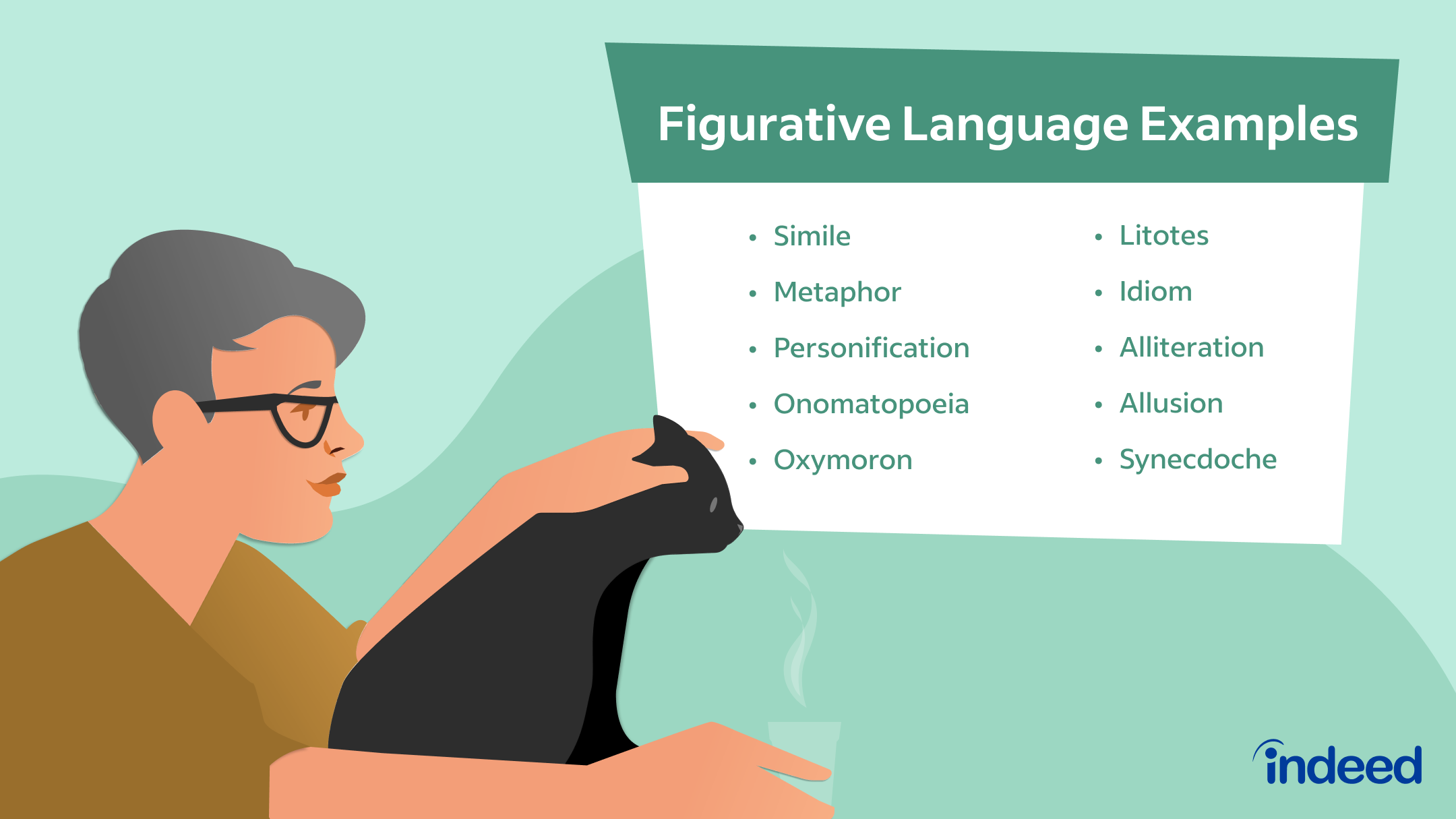
Understanding the nuances of language can be both fascinating and challenging. The phrases "literally" and "figuratively" are often used to describe the way we interpret words and expressions. While "literally" refers to the exact meaning of words, "figuratively" involves using words in a way that is not meant to be taken at face value. This distinction is crucial in communication, as it helps us convey our thoughts more accurately and avoid misunderstandings.
Understanding Literal Meaning
When we say something "literally," we mean it exactly as it is stated. There is no room for interpretation or metaphor. For example, if someone says, "It is raining cats and dogs," and they mean it literally, it would imply that actual cats and dogs are falling from the sky, which is, of course, impossible. However, if someone says, "I literally ran into an old friend today," they are using "literally" to emphasize that the encounter was unexpected and real.
Literal language is straightforward and often used in technical writing, instructions, and scientific reports. It ensures clarity and precision, leaving no room for ambiguity. For instance, a recipe that says, "Add two cups of flour" is a literal instruction. The reader knows exactly how much flour to add without any room for interpretation.
Exploring Figurative Language
Figurative language, on the other hand, uses words in a way that is not meant to be taken literally. It often involves metaphors, similes, idioms, and other rhetorical devices to create vivid imagery and convey complex ideas. For example, the phrase "breaking the ice" does not mean literally breaking ice but refers to doing something to reduce tension or awkwardness in a social situation.
Figurative language is commonly used in literature, poetry, and everyday conversation to make language more engaging and expressive. It allows us to paint pictures with words and evoke emotions that literal language might not capture. For instance, saying "She has a heart of gold" is a figurative way of describing someone who is kind and generous, rather than someone who literally has a golden heart.
The Importance of Context
Context plays a crucial role in determining whether a statement is meant to be taken literally or figuratively. The same words can have different meanings depending on the situation. For example, if a teacher says, "I am going to eat you alive," it is likely a figurative expression meant to convey that the teacher will be very critical or demanding. However, if a parent says, "I am going to eat you alive" to a child who is misbehaving, it might be taken literally by a young child, leading to confusion or fear.
Understanding the context helps us interpret language accurately. In a professional setting, literal language is often preferred to avoid misunderstandings. In contrast, figurative language can add depth and richness to conversations, making them more enjoyable and memorable.
Common Misuses of Literally and Figuratively
One of the common misuses of "literally" is when people use it to emphasize a point that is not actually literal. For example, saying "I literally died of embarrassment" is a figurative expression, not a literal one. This misuse can dilute the impact of the word "literally" and lead to confusion. Similarly, using "figuratively" when the intended meaning is literal can also cause misunderstandings.
To avoid these misuses, it is essential to be mindful of the context and the intended meaning of our words. Here are some tips to help you use "literally" and "figuratively" correctly:
- Use "literally" when you mean the exact, factual meaning of the words.
- Use "figuratively" when you are using words in a metaphorical or symbolic way.
- Be aware of the context and the audience to ensure your message is clear.
- Avoid using "literally" to emphasize a point that is not literal.
Examples of Literal and Figurative Language
To further illustrate the difference between literal and figurative language, let's look at some examples:
| Literal Language | Figurative Language |
|---|---|
| The cat is sleeping on the mat. | The cat is sleeping like a log. |
| She walked to the store. | She walked on air after hearing the good news. |
| The book is on the table. | The book is a treasure trove of knowledge. |
In the examples above, the literal language provides straightforward, factual information, while the figurative language uses metaphors and similes to create vivid imagery and convey deeper meanings.
💡 Note: Remember that the context in which words are used can significantly impact their meaning. Always consider the situation and the audience when interpreting language.
The Role of Literally and Figuratively in Communication
Effective communication relies on the ability to use language accurately and appropriately. Understanding the difference between literal and figurative language is essential for conveying our thoughts clearly and avoiding misunderstandings. Whether we are writing a technical report, crafting a poem, or engaging in everyday conversation, the choice between literal and figurative language can greatly influence how our message is received.
In professional settings, literal language is often preferred to ensure clarity and precision. For example, in legal documents, technical manuals, and scientific reports, literal language helps to avoid ambiguity and ensure that the information is understood correctly. In contrast, figurative language can add depth and richness to creative writing, making it more engaging and memorable.
In everyday conversation, a mix of literal and figurative language is often used to create a balanced and dynamic exchange. For instance, we might use literal language to describe facts and events, while using figurative language to express emotions and opinions. This combination allows us to communicate more effectively and connect with others on a deeper level.
Challenges in Interpreting Literally and Figuratively
While understanding the difference between literal and figurative language is crucial, it can also present challenges. One of the main challenges is the potential for misinterpretation. For example, if someone uses a figurative expression that is not familiar to the listener, it can lead to confusion or misunderstanding. Similarly, if someone uses "literally" to emphasize a point that is not literal, it can dilute the impact of the word and cause confusion.
Another challenge is the cultural and linguistic differences that can affect how language is interpreted. What may be a common figurative expression in one culture might not be understood in the same way in another. For instance, the phrase "It's raining cats and dogs" is a common idiom in English-speaking countries, but it might not be understood by someone who is not familiar with this expression.
To overcome these challenges, it is essential to be mindful of the context and the audience when using literal and figurative language. Here are some strategies to help you communicate more effectively:
- Be clear and concise in your language to avoid ambiguity.
- Use examples and analogies to explain complex ideas.
- Be aware of cultural and linguistic differences that might affect interpretation.
- Ask for clarification if you are unsure about the meaning of a word or expression.
By following these strategies, you can enhance your communication skills and ensure that your message is understood clearly and accurately.
💡 Note: Always consider the context and the audience when using literal and figurative language. This will help you communicate more effectively and avoid misunderstandings.
In conclusion, understanding the difference between literal and figurative language is essential for effective communication. Whether we are using literal language to convey facts and events or figurative language to express emotions and opinions, the choice between these two forms of language can greatly influence how our message is received. By being mindful of the context and the audience, we can enhance our communication skills and ensure that our message is understood clearly and accurately. This understanding not only enriches our daily interactions but also deepens our appreciation for the nuances of language, making our conversations more meaningful and engaging.
Related Terms:
- literally and figuratively meaning
- literally and figuratively examples
- literally figuratively metaphorically
- both literally and figuratively
- literally and figuratively synonym
- literally vs figuratively definition