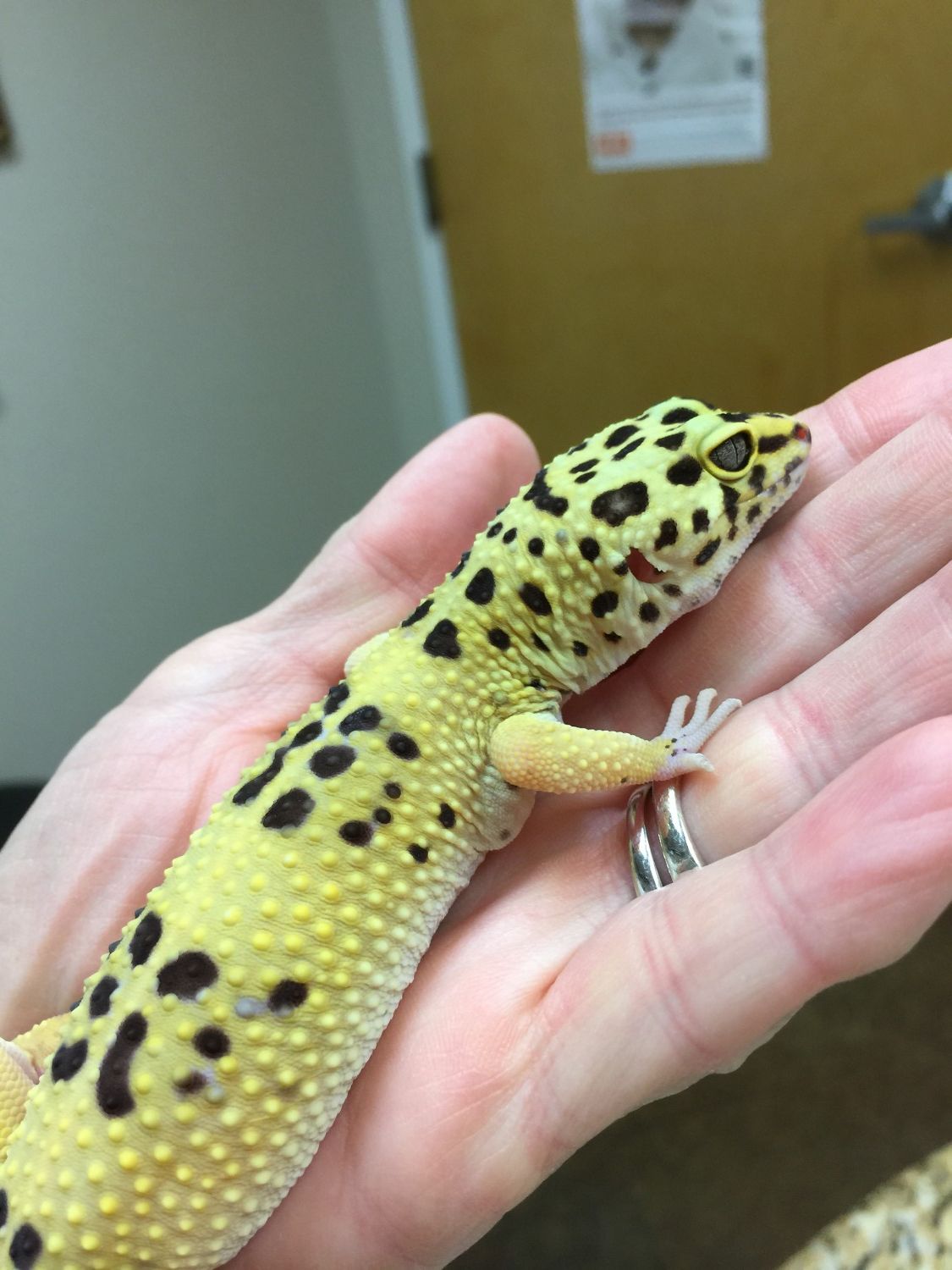
Leopard geckos are fascinating creatures that make wonderful pets for both beginners and experienced reptile enthusiasts. Their docile nature, ease of care, and unique appearance have made them a popular choice in the reptile community. This guide will walk you through the essential aspects of Leopard Gecko Care, ensuring your gecko lives a healthy and happy life.
Understanding Leopard Geckos
Leopard geckos (Eublepharis macularius) are native to the desert regions of Afghanistan, Pakistan, and India. They are nocturnal creatures, meaning they are most active during the night. These geckos are known for their distinctive spotted patterns, which can vary in color and intensity. They are relatively small, typically growing to about 8-10 inches in length, making them easy to handle and care for.
Setting Up the Habitat
Creating a suitable habitat is crucial for the well-being of your leopard gecko. Here are the key components to consider:
Enclosure
The enclosure should be spacious enough to allow your gecko to move around comfortably. A 20-gallon long tank is a good starting point for one or two adult geckos. Ensure the enclosure has a secure lid to prevent escapes and to maintain the appropriate humidity levels.
Substrate
Choose a substrate that is safe and easy to clean. Popular options include:
- Paper towels or newspaper: These are inexpensive and easy to replace but do not provide a naturalistic environment.
- Coconut fiber: This substrate is more natural and helps maintain humidity but requires regular cleaning.
- Loose substrates: Such as sand or calcium sand, should be avoided as they can cause impaction if ingested.
Heating and Lighting
Leopard geckos require a temperature gradient in their enclosure to regulate their body temperature. Use a heat mat or ceramic heat emitter to create a warm side (around 88-92°F or 31-33°C) and a cool side (around 75-80°F or 24-27°C). A thermostat is essential to regulate the temperature and prevent overheating.
Leopard geckos do not require UVB lighting, as they are primarily nocturnal. However, a low-wattage LED light can be used to provide a day-night cycle and help you observe your gecko during the day.
Hides and Decorations
Provide multiple hides to give your gecko places to retreat and feel secure. Include:
- A humid hide with moistened sphagnum moss to aid in shedding.
- A cool hide on the cooler side of the enclosure.
- A warm hide on the warmer side of the enclosure.
Add decorations like branches, plants, and rocks to create a stimulating environment. Ensure all decorations are secure and cannot fall, causing injury.
Feeding Your Leopard Gecko
Leopard geckos are insectivores, and their diet primarily consists of live insects. Here are some guidelines for feeding your gecko:
Staple Insects
The primary food source for leopard geckos should be:
- Crickets
- Mealworms
- Dubia roaches
Supplementation
Dust insects with a calcium supplement (without D3) at every feeding and a multivitamin supplement once or twice a week to ensure your gecko receives all necessary nutrients.
Feeding Schedule
Juvenile geckos should be fed daily, while adults can be fed every other day. Remove any uneaten insects from the enclosure after feeding to prevent stress and potential health issues.
Water
Provide fresh water at all times. Use a shallow dish that your gecko can easily access. Change the water daily to maintain cleanliness.
Health and Wellness
Maintaining your leopard gecko’s health involves regular monitoring, proper hygiene, and prompt veterinary care when needed.
Shedding
Leopard geckos shed their skin periodically to accommodate growth. Ensure your gecko has a humid hide to facilitate smooth shedding. If your gecko has difficulty shedding, consult a veterinarian.
Common Health Issues
Be aware of common health issues that can affect leopard geckos:
- Metabolic Bone Disease (MBD): Caused by a lack of calcium and vitamin D3, leading to weak bones and deformities.
- Impaction: Often caused by ingesting loose substrates, leading to digestive blockages.
- Respiratory Infections: Resulting from improper humidity levels or stress, causing wheezing and mucus discharge.
Veterinary Care
Find a reptile-savvy veterinarian in your area for regular check-ups and any health concerns. Regular veterinary care is essential for early detection and treatment of potential health issues.
Handling and Socialization
Leopard geckos are generally docile and can be handled regularly. However, it’s important to handle them gently and with care.
Handling Tips
When handling your leopard gecko, follow these tips:
- Wash your hands before and after handling to prevent the spread of bacteria.
- Support your gecko’s body and avoid squeezing or gripping too tightly.
- Handle your gecko in a calm and quiet environment to minimize stress.
Socialization
Regular handling helps socialize your gecko and makes it more comfortable with human interaction. However, avoid overhandling, as it can cause stress and health issues.
Breeding Leopard Geckos
If you are interested in breeding leopard geckos, ensure you have the necessary knowledge and resources to provide proper care for both the adults and the offspring.
Pre-Breeding Care
Before breeding, ensure both male and female geckos are in good health and have reached sexual maturity (around 18-24 months old). Provide a balanced diet and maintain optimal environmental conditions.
Breeding Process
The breeding process involves:
- Introducing the male and female geckos in a neutral territory.
- Monitoring for successful mating, indicated by the male’s tail curling and the female’s acceptance.
- Providing a suitable laying bin with moistened substrate for the female to lay her eggs.
Incubation and Hatching
Incubate the eggs at a consistent temperature (around 88-90°F or 31-33°C) and humidity (around 80-90%) for approximately 45-60 days. Once hatched, provide the hatchlings with a suitable enclosure and proper care.
📝 Note: Breeding leopard geckos requires a deep understanding of their reproductive needs and the commitment to care for the offspring. Ensure you are prepared for the responsibilities involved.
Conclusion
Leopard gecko care involves creating a suitable habitat, providing a balanced diet, maintaining health and wellness, and handling with care. By following these guidelines, you can ensure your leopard gecko lives a happy and healthy life. Regular monitoring, proper hygiene, and prompt veterinary care are essential for preventing and addressing any health issues. Whether you are a beginner or an experienced reptile enthusiast, leopard geckos make wonderful pets with their unique appearance and docile nature.
Related Terms:
- leopard gecko habitat
- leopard gecko care sheet
- leopard gecko tank setup
- leopard gecko diet
- crested gecko care
- leopard gecko care for beginners