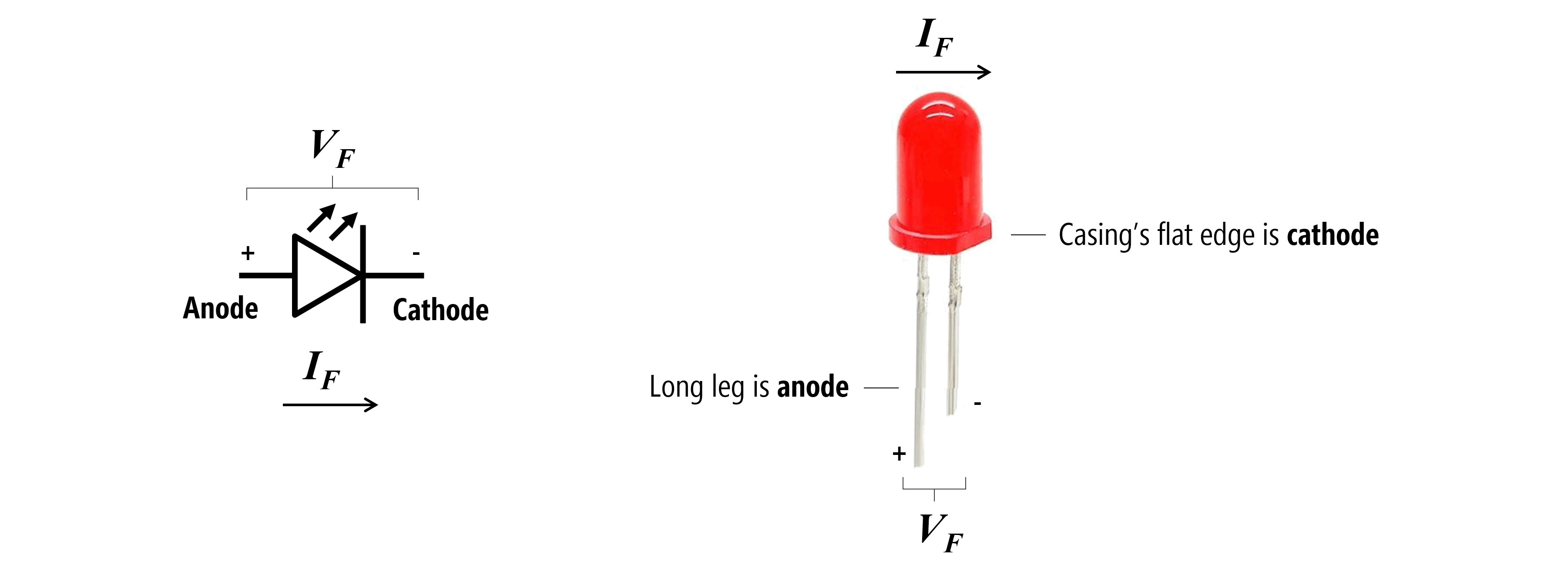
Understanding the fundamentals of electronics is crucial for anyone interested in building circuits or repairing electronic devices. One of the key concepts to grasp is the difference between the led anode and led cathode. These terms are essential for anyone working with Light Emitting Diodes (LEDs), as they determine the direction of current flow and the proper functioning of the LED.
What is an LED?
An LED, or Light Emitting Diode, is a semiconductor device that emits light when an electric current passes through it. LEDs are widely used in various applications, from indicator lights on electronic devices to large-scale displays and lighting systems. They are preferred for their energy efficiency, longevity, and durability.
Understanding the Led Anode and Led Cathode
To comprehend how an LED works, it’s essential to understand the roles of the led anode and led cathode. These terms refer to the two terminals of the LED:
- Anode: The positive terminal of the LED. Current flows into the LED through the anode.
- Cathode: The negative terminal of the LED. Current flows out of the LED through the cathode.
In an LED, the anode is typically the longer leg, while the cathode is the shorter leg. This distinction is crucial because LEDs are polarized components, meaning they only allow current to flow in one direction. If the polarity is reversed, the LED will not light up.
Identifying the Led Anode and Led Cathode
Identifying the led anode and led cathode is straightforward once you know what to look for. Here are some common methods:
- Leg Length: The longer leg is usually the anode, and the shorter leg is the cathode.
- Flat Spot: Some LEDs have a flat spot on the cathode side of the case. This flat spot indicates the cathode.
- Markings: Some LEDs have markings such as a “+” sign near the anode or a “-” sign near the cathode.
If you’re unsure, you can use a multimeter to test the polarity. Set the multimeter to the diode test setting and touch the probes to the LED terminals. The multimeter will indicate the correct polarity.
Circuit Design with LEDs
When designing a circuit with LEDs, it’s important to ensure that the led anode is connected to the positive voltage source and the led cathode is connected to the ground or negative voltage source. Additionally, a current-limiting resistor should be used to protect the LED from excessive current, which can damage it.
Here is a simple circuit diagram for an LED:

Common Mistakes to Avoid
When working with LEDs, there are a few common mistakes to avoid:
- Reversed Polarity: Connecting the led anode to the negative side and the led cathode to the positive side will not light the LED.
- No Current-Limiting Resistor: Without a resistor, the LED can draw too much current and burn out.
- Incorrect Voltage: Applying too high a voltage can damage the LED. Ensure the voltage is within the LED’s specifications.
Applications of LEDs
LEDs have a wide range of applications due to their efficiency and versatility. Some common uses include:
- Indicators: LEDs are used as indicator lights in electronic devices, such as power buttons and status indicators.
- Lighting: LEDs are used in various lighting applications, from household bulbs to street lights.
- Displays: LEDs are used in digital displays, such as those found in calculators, clocks, and large-scale billboards.
- Automotive: LEDs are used in car headlights, taillights, and interior lighting.
Advanced LED Configurations
Beyond basic LED circuits, there are more advanced configurations that utilize multiple LEDs. These configurations can create complex lighting effects and patterns. Some examples include:
- Series Configuration: LEDs connected in series share the same current but have the total voltage divided among them.
- Parallel Configuration: LEDs connected in parallel share the same voltage but have the total current divided among them.
- Matrix Configuration: LEDs arranged in a matrix can create complex displays and patterns.
Here is a table summarizing the different configurations:
| Configuration | Voltage | Current |
|---|---|---|
| Series | Divided among LEDs | Same for all LEDs |
| Parallel | Same for all LEDs | Divided among LEDs |
| Matrix | Depends on design | Depends on design |
💡 Note: When using multiple LEDs, ensure that the power supply and current-limiting resistors are appropriately sized to handle the total current and voltage requirements.
LEDs are versatile components that can be used in a variety of applications. Understanding the led anode and led cathode is fundamental to working with LEDs effectively. By following the guidelines and avoiding common mistakes, you can create reliable and efficient LED circuits for your projects.
Related Terms:
- led anode cathode side
- led anode cathode schematic
- anode positive or negative led
- led anode cathode short long
- led anode cathode legs
- led anode cathode arduino