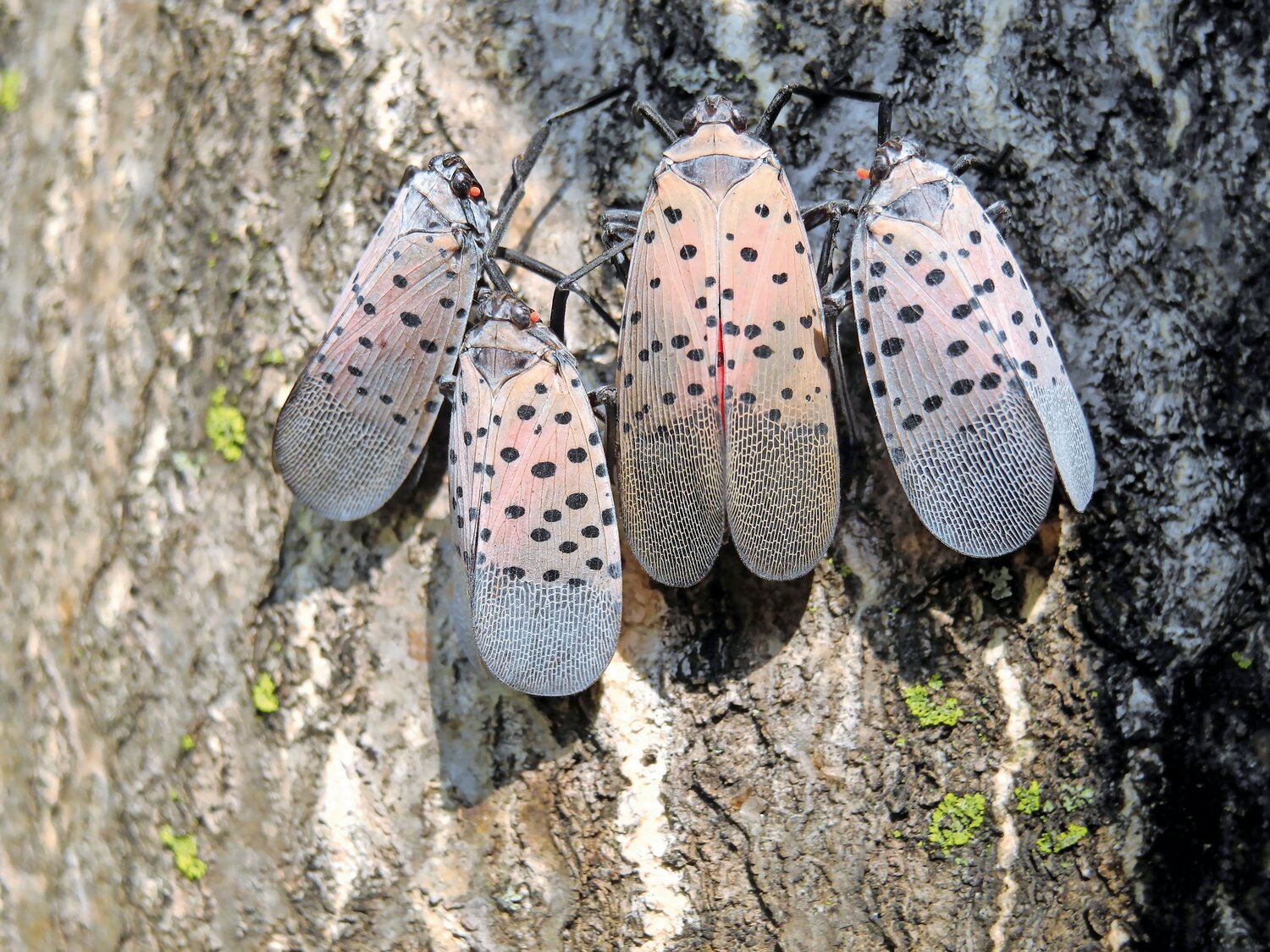
The spotted lanternfly (Lycorma delicatula) is an invasive pest that has become a significant concern for many regions, particularly in the eastern United States. Originally from Asia, this insect has spread rapidly, posing threats to agriculture, forests, and urban landscapes. Understanding the lantern fly stages is crucial for effective management and control. This post delves into the life cycle of the spotted lanternfly, its impact, and strategies for control.
Understanding the Life Cycle of the Spotted Lanternfly
The spotted lanternfly goes through several distinct lantern fly stages during its life cycle. Each stage has unique characteristics and behaviors that are important to recognize for effective control.
Egg Stage
The life cycle begins with the egg stage. Female spotted lanternflies lay their eggs on various surfaces, including tree trunks, rocks, and even man-made structures. The eggs are typically laid in clusters covered with a waxy, mud-like substance that helps protect them from the elements. These egg masses can contain 30 to 50 eggs and are often found in late fall and winter.
Egg masses are a critical point for control efforts. Removing and destroying these masses can significantly reduce the population of lanternflies in the following spring.
Nymph Stage
In the spring, the eggs hatch into nymphs. The nymphs go through four instars, or growth stages, before becoming adults. The first three instars are black with white spots, while the fourth instar develops red patches and white spots. The nymphs are highly mobile and can move quickly from one plant to another, making them difficult to control.
During this stage, the nymphs feed on a variety of plants, including trees, shrubs, and vines. Their feeding can cause significant damage to plants, leading to wilting, dieback, and even death in severe cases.
Adult Stage
The final stage of the spotted lanternfly life cycle is the adult stage. Adults emerge in late summer and early fall and are easily recognizable by their distinctive spotted wings. The forewings are gray with black spots, while the hindwings are bright red with black spots and a white band. Adults are strong fliers and can travel long distances, aiding in their rapid spread.
Adults continue to feed on a variety of plants and can cause significant damage to crops and ornamental plants. They are also known to excrete a sugary substance called honeydew, which can attract other pests and promote the growth of sooty mold on plants.
Impact of the Spotted Lanternfly
The spotted lanternfly is a significant threat to various industries, including agriculture, forestry, and horticulture. Its feeding habits can cause extensive damage to a wide range of plants, leading to economic losses and environmental degradation.
Some of the key impacts include:
- Damage to crops such as grapes, apples, and stone fruits, leading to reduced yields and quality.
- Damage to ornamental plants and trees, affecting landscaping and urban forests.
- Economic losses due to increased pest management costs and reduced productivity.
- Environmental impacts, including the disruption of ecosystems and the spread of other pests.
Identifying the Spotted Lanternfly
Accurate identification of the spotted lanternfly is essential for effective control. The insect has distinct characteristics at each lantern fly stage that can help in identification.
Here is a summary of the key identification features:
| Stage | Description |
|---|---|
| Egg | Laid in clusters covered with a waxy, mud-like substance. Egg masses are typically found on tree trunks, rocks, and man-made structures. |
| Nymph | Goes through four instars. The first three instars are black with white spots, while the fourth instar develops red patches and white spots. |
| Adult | Distinctive spotted wings. The forewings are gray with black spots, while the hindwings are bright red with black spots and a white band. |
Identifying the spotted lanternfly at each stage is crucial for implementing timely control measures. Early detection and removal of egg masses and nymphs can prevent the spread and reduce the impact of this invasive pest.
Control Strategies for the Spotted Lanternfly
Effective control of the spotted lanternfly requires a multi-faceted approach that targets each lantern fly stage. Here are some strategies that can be employed:
Mechanical Control
Mechanical control involves physically removing and destroying the insect at various stages of its life cycle. This can include:
- Scraping and destroying egg masses from surfaces.
- Handpicking and destroying nymphs and adults.
- Using sticky bands around tree trunks to trap nymphs and adults.
Mechanical control is labor-intensive but can be effective in small-scale infestations.
Chemical Control
Chemical control involves the use of insecticides to kill the spotted lanternfly at various stages. Insecticides can be applied to plants, tree trunks, and other surfaces where the insect is likely to be found. Some commonly used insecticides include:
- Imidacloprid
- Dinotefuran
- Carbaryl
Chemical control should be used judiciously to minimize environmental impacts and potential harm to non-target organisms.
📌 Note: Always follow the manufacturer's instructions when using insecticides and consider consulting with a pest management professional for advice tailored to your specific situation.
Biological Control
Biological control involves the use of natural enemies to control the spotted lanternfly population. This can include predators, parasites, and pathogens that feed on or infect the insect. Some potential biological control agents include:
- Birds and other insectivorous animals.
- Parasitic wasps that lay their eggs in the lanternfly eggs or nymphs.
- Fungal pathogens that infect and kill the insect.
Biological control is a long-term strategy that requires careful monitoring and management to ensure its effectiveness.
Cultural Control
Cultural control involves modifying the environment to make it less favorable for the spotted lanternfly. This can include:
- Removing or pruning infested plants to reduce the insect's food source.
- Planting resistant plant varieties.
- Maintaining good sanitation practices to remove potential egg-laying sites.
Cultural control is an important component of an integrated pest management (IPM) approach and can help reduce the need for chemical interventions.
Effective control of the spotted lanternfly requires a combination of these strategies, tailored to the specific situation and the lantern fly stages present. Regular monitoring and early detection are key to successful management.
In addition to these control strategies, it is important to raise awareness about the spotted lanternfly and its impact. Educating the public about the insect's life cycle, identification, and control measures can help prevent its spread and reduce its impact on agriculture, forests, and urban landscapes.
Community involvement is crucial in the fight against the spotted lanternfly. Encouraging residents to report sightings, participate in control efforts, and follow best practices for preventing the spread of the insect can make a significant difference in managing this invasive pest.
By understanding the lantern fly stages and implementing effective control strategies, we can work together to protect our environment and economy from the threats posed by the spotted lanternfly.
In conclusion, the spotted lanternfly is a significant invasive pest that poses threats to various industries and ecosystems. Understanding its life cycle, impact, and control strategies is essential for effective management. By combining mechanical, chemical, biological, and cultural control methods, we can reduce the population and impact of this pest. Community involvement and education are also crucial in the fight against the spotted lanternfly. Together, we can protect our environment and economy from this invasive species.
Related Terms:
- photos of lantern fly stages
- lantern fly traps
- lanternfly stages of growth
- spotted lantern fly stages
- lantern fly life span
- pictures of spotted lanternfly stages