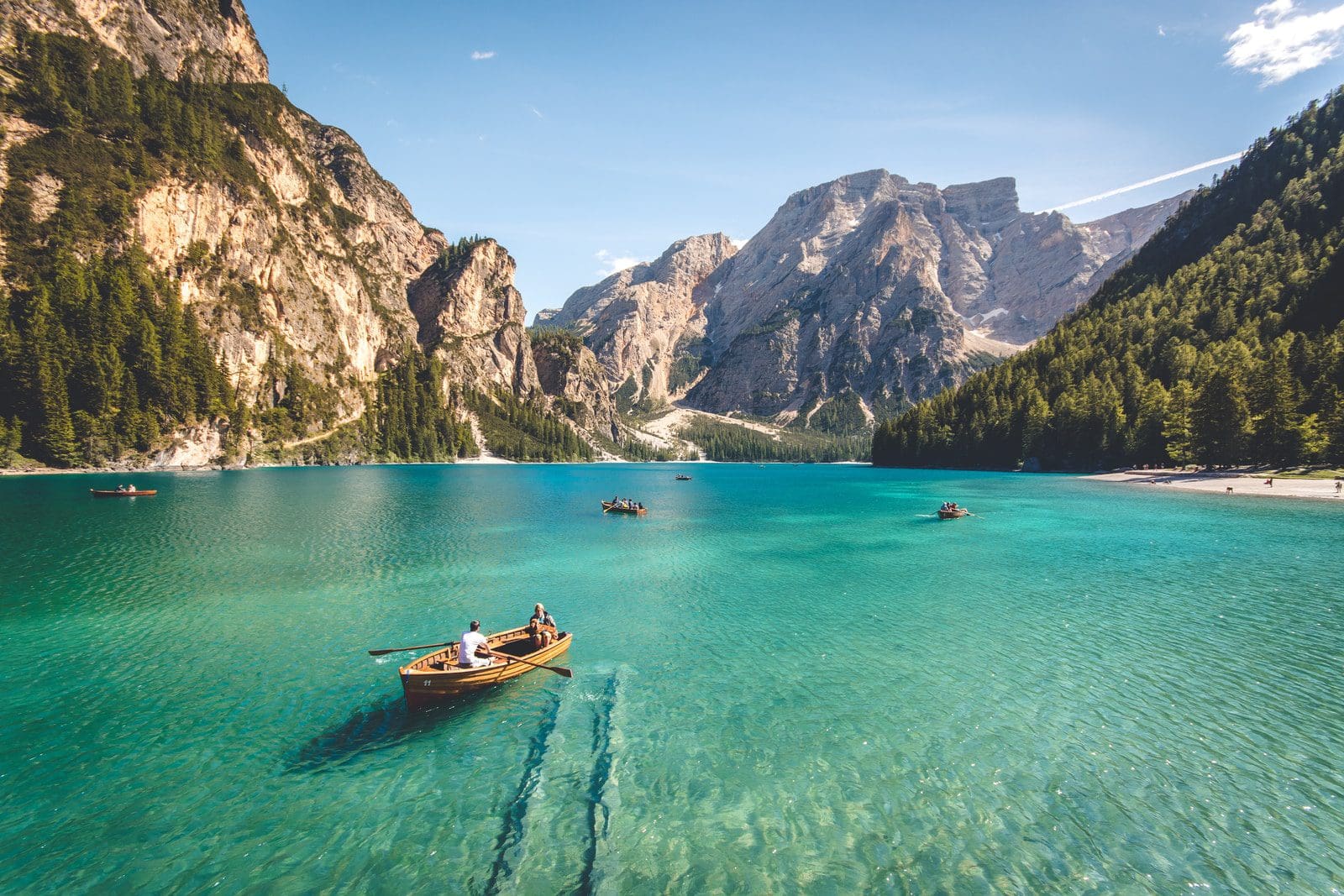
Understanding the lake or river difference is fundamental for anyone interested in geography, ecology, or simply appreciating the natural world. Lakes and rivers are both vital components of Earth's hydrosphere, but they differ significantly in their characteristics, formation, and ecological roles. This post delves into the distinctions between lakes and rivers, exploring their unique features and the importance of each in various ecosystems.
What is a Lake?
A lake is a large body of water surrounded by land. Lakes can be formed through various geological processes, including glacial activity, volcanic eruptions, and tectonic movements. They are typically characterized by their still water and can vary greatly in size, from small ponds to vast bodies of water like the Great Lakes in North America.
What is a River?
A river, on the other hand, is a natural flowing watercourse, usually freshwater, flowing towards an ocean, sea, lake, or another river. Rivers are dynamic systems that constantly move water and sediment from higher elevations to lower ones. They play a crucial role in shaping the landscape through erosion and deposition.
Key Differences Between Lakes and Rivers
The lake or river difference can be understood through several key factors:
Formation and Structure
Lakes are often formed by geological processes such as glacial activity, tectonic movements, or volcanic eruptions. They are typically enclosed by land and have a relatively stable water level. In contrast, rivers are formed by the continuous flow of water from higher elevations to lower ones, often originating from melting snow, rain, or groundwater. Rivers have a dynamic structure, with varying widths, depths, and flow rates.
Water Movement
One of the most significant differences between lakes and rivers is the movement of water. Lakes are characterized by still or slow-moving water, which allows for the accumulation of sediment and the development of unique ecosystems. Rivers, however, are defined by their constant flow, which transports water and sediment downstream.
Ecosystem and Biodiversity
Lakes and rivers support diverse ecosystems, but the types of organisms and the ecological processes differ significantly. Lakes often have a stratified structure, with different layers of water that support various types of aquatic life. Rivers, with their constant flow, support a different set of organisms adapted to moving water. Both ecosystems are crucial for biodiversity, but they serve different ecological roles.
Human Impact
Both lakes and rivers are subject to human impact, but the nature of this impact can differ. Lakes are often used for recreation, fishing, and water supply, which can lead to issues like pollution and eutrophication. Rivers, due to their flow, are often used for transportation, irrigation, and hydroelectric power, which can alter their natural flow and sediment transport processes.
Importance of Lakes and Rivers
Lakes and rivers are essential for various reasons, and understanding the lake or river difference helps in appreciating their unique contributions to the environment.
Ecological Significance
Lakes and rivers are critical for maintaining biodiversity. They provide habitats for a wide range of plant and animal species, many of which are endemic to these water bodies. Lakes, with their still water, support unique aquatic ecosystems, while rivers, with their constant flow, support different types of aquatic life.
Water Supply
Both lakes and rivers are vital sources of freshwater for human consumption, agriculture, and industry. Lakes often serve as reservoirs for water supply, while rivers provide a continuous source of freshwater for various uses.
Recreation and Tourism
Lakes and rivers are popular destinations for recreation and tourism. Activities like fishing, boating, swimming, and hiking are common around lakes, while rivers offer opportunities for rafting, kayaking, and fishing. These activities contribute to local economies and provide opportunities for people to connect with nature.
Cultural and Historical Significance
Lakes and rivers have played significant roles in human history and culture. Many civilizations have developed along rivers, using them for transportation, irrigation, and trade. Lakes have also been important for cultural and spiritual practices, often serving as sacred sites for various communities.
Challenges Facing Lakes and Rivers
Despite their importance, lakes and rivers face numerous challenges that threaten their health and sustainability.
Pollution
Pollution is a major threat to both lakes and rivers. Industrial waste, agricultural runoff, and sewage can contaminate water bodies, leading to issues like eutrophication, algal blooms, and the decline of aquatic life. Understanding the lake or river difference is crucial for developing effective pollution control strategies tailored to each type of water body.
Climate Change
Climate change affects lakes and rivers in different ways. Rising temperatures can alter water levels, flow rates, and the timing of seasonal events like snowmelt. These changes can disrupt ecosystems and affect the availability of water for human use.
Human Activities
Human activities such as dam construction, land use changes, and water extraction can alter the natural flow and structure of rivers. Lakes can be affected by activities like dredging, water withdrawal, and the introduction of invasive species. These activities can have significant impacts on the health and sustainability of these water bodies.
Conservation Efforts
Conservation efforts are essential for protecting lakes and rivers and ensuring their sustainability for future generations.
Water Quality Management
Effective water quality management is crucial for maintaining the health of lakes and rivers. This includes monitoring water quality, controlling pollution sources, and implementing best management practices for land use and water extraction.
Habitat Restoration
Habitat restoration involves restoring degraded habitats to their natural state, which can improve biodiversity and ecosystem health. This can include activities like removing invasive species, planting native vegetation, and restoring natural water flow.
Public Awareness and Education
Public awareness and education are key to promoting the conservation of lakes and rivers. Educating people about the importance of these water bodies and the threats they face can encourage sustainable practices and support for conservation efforts.
Policy and Regulation
Effective policy and regulation are essential for protecting lakes and rivers. This includes laws and regulations that control pollution, manage water use, and protect habitats. International cooperation is also important for addressing transboundary water issues and promoting sustainable water management.
📝 Note: The conservation of lakes and rivers requires a holistic approach that addresses both local and global challenges. Collaboration between governments, communities, and stakeholders is crucial for developing effective conservation strategies.
In conclusion, understanding the lake or river difference is essential for appreciating the unique characteristics and roles of these vital water bodies. Lakes and rivers are not only different in their formation, structure, and ecological roles but also face distinct challenges and require tailored conservation efforts. By recognizing these differences and taking action to protect these water bodies, we can ensure their sustainability for future generations. The health of lakes and rivers is closely tied to the health of our planet, and their conservation is a shared responsibility that requires collective effort and commitment.