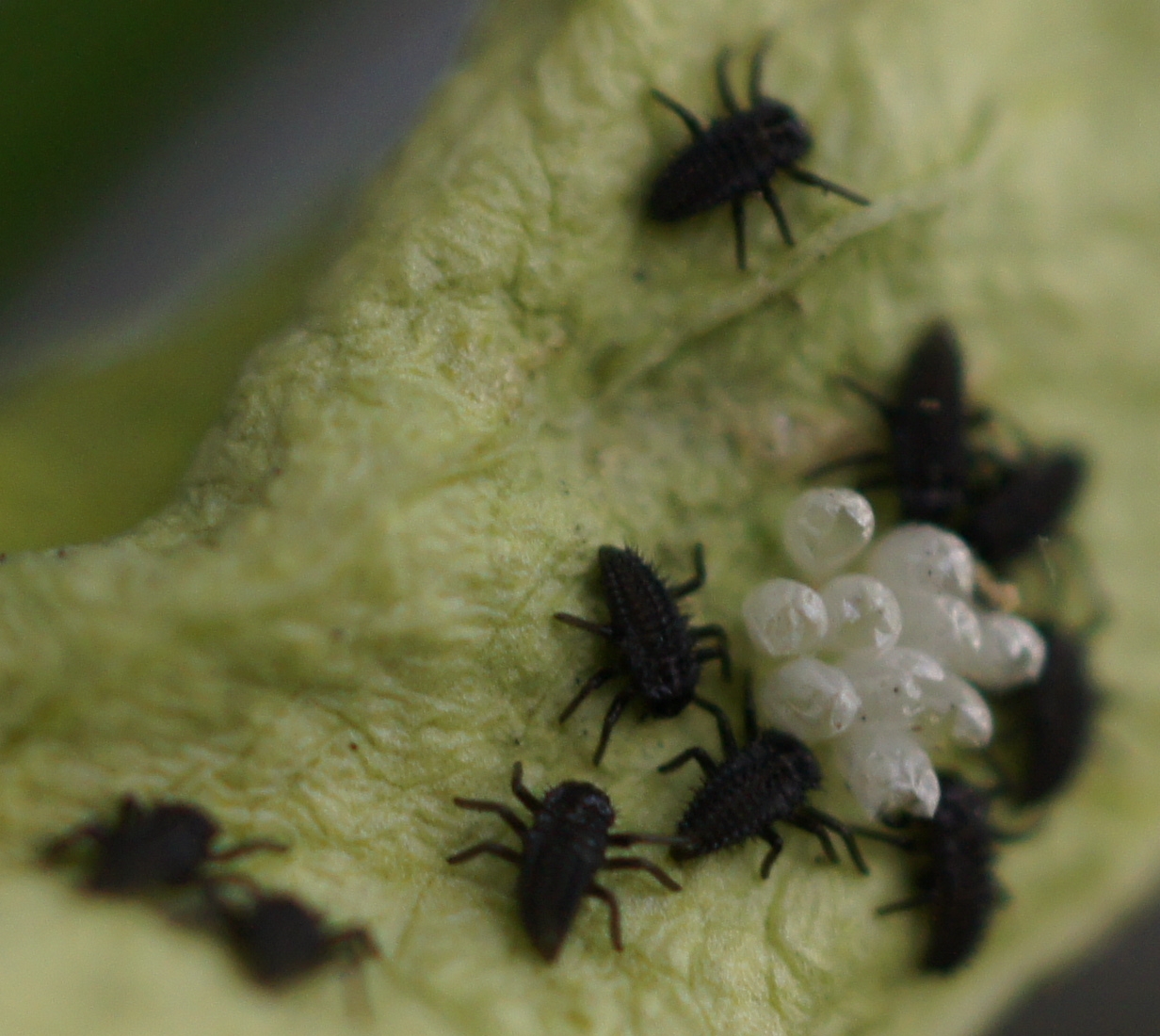
Ladybugs, also known as lady beetles or ladybird beetles, are beloved for their vibrant colors and beneficial role in gardens. These tiny insects are not only aesthetically pleasing but also play a crucial role in natural pest control. One of the most fascinating aspects of ladybugs is their reproductive cycle, particularly the laying and hatching of ladybug eggs. Understanding this process can help gardeners and entomologists alike appreciate the lifecycle of these helpful creatures.
The Life Cycle of Ladybugs
The life cycle of a ladybug consists of four stages: egg, larva, pupa, and adult. Each stage is essential for the development of the insect, and understanding these stages can provide insights into how to support ladybug populations in your garden.
Egg Stage
The life cycle begins with the laying of ladybug eggs. Female ladybugs typically lay their eggs on the underside of leaves, often near aphid colonies, which serve as the primary food source for ladybug larvae. The eggs are small, oval-shaped, and usually yellow or orange in color. They are often laid in clusters, which can contain anywhere from a few to several dozen eggs.
Ladybugs are known for their prolific egg-laying capabilities. A single female can lay up to 1,000 eggs in her lifetime, although the average is closer to 300-500 eggs. The number of eggs laid can vary depending on the species of ladybug and environmental conditions.
Larva Stage
After about 3-10 days, the ladybug eggs hatch into larvae. Ladybug larvae are quite different in appearance from the adult form. They are elongated, with a segmented body and spiky protrusions. The larvae are voracious eaters and consume a large number of aphids and other small insects, making them highly effective in controlling pest populations.
The larval stage lasts for about 10-20 days, during which the larvae undergo several molts, shedding their exoskeletons to accommodate their growing size. The number of molts can vary depending on the species and environmental conditions.
Pupa Stage
Once the larvae have grown sufficiently, they enter the pupa stage. During this stage, the larva transforms into an adult ladybug. The pupa is typically orange or yellow and is often found on the underside of leaves or in protected areas. This stage can last for about 7-15 days, depending on the species and environmental conditions.
Adult Stage
After the pupa stage, the adult ladybug emerges. Adult ladybugs are known for their distinctive spotted patterns and vibrant colors, which serve as a warning to predators. They are also highly beneficial in gardens, as they continue to feed on aphids and other pests. Adult ladybugs can live for several months to a year, depending on the species and environmental conditions.
Factors Affecting Ladybug Egg Laying
Several factors can influence the laying of ladybug eggs and the overall reproductive success of ladybugs. Understanding these factors can help gardeners create an environment that supports healthy ladybug populations.
Food Availability
One of the most critical factors affecting ladybug eggs is the availability of food. Ladybugs primarily feed on aphids, and the presence of a sufficient aphid population is essential for the health and reproduction of ladybugs. If aphid populations are low, ladybugs may not lay as many eggs or may lay eggs that are less likely to hatch successfully.
Environmental Conditions
Environmental conditions, such as temperature and humidity, also play a significant role in the laying of ladybug eggs. Ladybugs are cold-blooded insects, and their metabolic processes are heavily influenced by temperature. Warmer temperatures generally promote faster development and higher reproductive rates, while cooler temperatures can slow down these processes.
Humidity is also important, as it affects the moisture content of the eggs and the surrounding environment. High humidity can lead to mold growth, which can be detrimental to the eggs, while low humidity can cause the eggs to dry out and fail to hatch.
Predation and Parasitism
Predation and parasitism are significant threats to ladybug eggs and larvae. Many species of birds, spiders, and other insects prey on ladybugs at various stages of their life cycle. Additionally, some parasites can infect ladybug eggs and larvae, reducing their chances of survival.
To support healthy ladybug populations, it is essential to create a garden environment that minimizes predation and parasitism. This can be achieved by providing plenty of hiding places, such as dense foliage and ground cover, and by avoiding the use of pesticides that can harm ladybugs and their natural predators.
Benefits of Ladybugs in the Garden
Ladybugs are highly beneficial in gardens due to their voracious appetite for pests. By understanding the laying of ladybug eggs and supporting ladybug populations, gardeners can enjoy a variety of benefits.
Natural Pest Control
Ladybugs are one of the most effective natural pest control methods available. They feed on a wide range of pests, including aphids, mites, and scale insects. By introducing ladybugs into the garden, gardeners can reduce the need for chemical pesticides and promote a healthier, more balanced ecosystem.
Environmental Benefits
Ladybugs contribute to the overall health of the garden ecosystem by controlling pest populations and promoting biodiversity. Their presence can help maintain a natural balance, reducing the need for human intervention and promoting a more sustainable gardening practice.
Educational Value
Ladybugs are fascinating creatures that can provide educational opportunities for children and adults alike. Observing the laying of ladybug eggs and the subsequent development of the larvae and pupae can be a rewarding experience that fosters an appreciation for nature and the intricate web of life.
Creating a Ladybug-Friendly Garden
To support healthy ladybug populations and encourage the laying of ladybug eggs, gardeners can take several steps to create a ladybug-friendly environment.
Providing Food Sources
Ensure that there is a sufficient food source for ladybugs by planting a variety of plants that attract aphids and other pests. Some plants that are known to attract aphids include roses, milkweed, and dill. By providing a steady food source, gardeners can encourage ladybugs to lay more eggs and support a healthy population.
Creating Hiding Places
Ladybugs need hiding places to protect themselves from predators and harsh environmental conditions. Providing dense foliage, ground cover, and other hiding places can help support ladybug populations. Some plants that provide good hiding places include ferns, hostas, and ivy.
Avoiding Pesticides
Pesticides can be harmful to ladybugs and their natural predators. To support healthy ladybug populations, avoid using chemical pesticides and opt for natural pest control methods instead. Some natural pest control methods include companion planting, using beneficial insects, and applying organic pesticides.
Providing Water Sources
Ladybugs need a source of water to survive and reproduce. Providing a shallow dish of water or a birdbath can help support ladybug populations. Ensure that the water source is clean and free of chemicals to promote the health of the ladybugs.
📝 Note: Ladybugs are attracted to water sources, but they also need a place to lay their eggs. Ensure that there are plenty of plants with soft, tender leaves where ladybugs can lay their eggs.
Common Ladybug Species and Their Eggs
There are over 5,000 species of ladybugs worldwide, each with its unique characteristics and behaviors. Some of the most common species and their ladybug eggs are described below.
| Species | Description | Egg Characteristics |
|---|---|---|
| Seven-Spotted Ladybug (Coccinella septempunctata) | One of the most common ladybug species, known for its seven black spots on a red background. | Eggs are yellow-orange and laid in clusters of 10-50. |
| Convergent Ladybug (Hippodamia convergens) | Known for its orange or yellow color with black spots that converge towards the center of the wing covers. | Eggs are yellow and laid in clusters of 10-30. |
| Asian Ladybug (Harmonia axyridis) | An invasive species in many parts of the world, known for its variable color patterns and aggressive behavior. | Eggs are yellow and laid in clusters of 20-50. |
| Twice-Stabbed Ladybug (Chilocorus stigma) | A smaller species with a distinctive black and red pattern, often found on conifers. | Eggs are yellow and laid singly or in small clusters. |
Each species of ladybug has its unique characteristics and behaviors, but they all play a crucial role in controlling pest populations. By understanding the laying of ladybug eggs and supporting ladybug populations, gardeners can enjoy a healthier, more balanced garden ecosystem.
Ladybugs are not only beneficial for pest control but also add a touch of beauty to any garden with their vibrant colors and patterns. Observing the laying of ladybug eggs and the subsequent development of the larvae and pupae can be a fascinating and rewarding experience. By creating a ladybug-friendly garden, gardeners can support these helpful insects and enjoy the many benefits they provide.
Ladybugs are a vital part of the garden ecosystem, and understanding their reproductive cycle, particularly the laying of ladybug eggs, can help gardeners create a healthier, more balanced environment. By providing food sources, hiding places, and avoiding pesticides, gardeners can support healthy ladybug populations and enjoy the many benefits these insects provide. Whether you are a seasoned gardener or just starting out, incorporating ladybugs into your garden can be a rewarding and educational experience.
Related Terms:
- ladybug eggs vs aphid eggs
- ladybug eggs hatching
- female ladybug eggs
- what color are ladybug eggs
- ladybug larvae
- ladybug larvae images