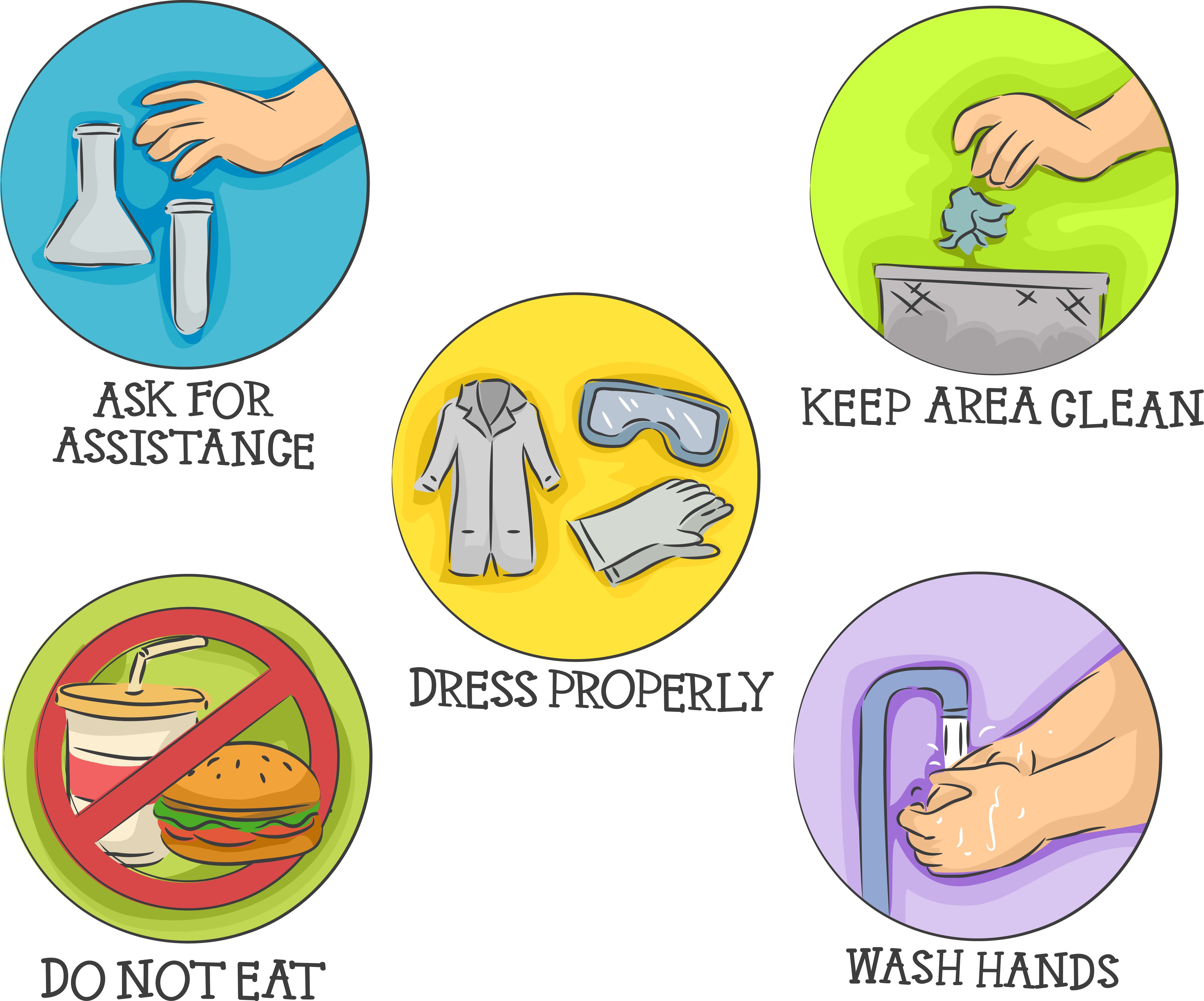
Lab safety and equipment are paramount in any scientific or educational setting. Ensuring a safe laboratory environment not only protects researchers and students but also enhances the accuracy and reliability of experiments. This post delves into the essential aspects of lab safety and equipment, providing a comprehensive guide to best practices and necessary tools.
Understanding Lab Safety
Lab safety encompasses a wide range of practices and protocols designed to prevent accidents, injuries, and contamination. Understanding the fundamentals of lab safety is crucial for anyone working in a laboratory setting. Key components of lab safety include:
- Personal Protective Equipment (PPE): This includes gloves, lab coats, safety glasses, and face shields. PPE is essential for protecting against chemical spills, biological hazards, and physical injuries.
- Proper Handling of Chemicals: Chemicals must be handled with care to avoid spills, inhalation, and skin contact. Always refer to Safety Data Sheets (SDS) for specific handling instructions.
- Emergency Procedures: Knowing the location of safety showers, eyewash stations, and first aid kits is vital. Regular drills and training sessions should be conducted to ensure everyone is prepared for emergencies.
- Ventilation and Fume Hoods: Proper ventilation is crucial for removing harmful fumes and vapors. Fume hoods should be used when working with volatile chemicals.
Essential Lab Equipment
Lab safety and equipment go hand in hand. Having the right tools and knowing how to use them correctly is essential for maintaining a safe and efficient laboratory. Some of the essential lab equipment includes:
- Pipettes and Pipette Tips: Used for precise measurement and transfer of liquids. Different types of pipettes are available for various volume ranges.
- Beakers and Flasks: These are used for mixing, heating, and storing liquids. They come in different sizes and materials, such as glass or plastic.
- Centrifuges: Used for separating substances of different densities. They are essential in biological and chemical laboratories.
- Microscopes: Essential for observing microscopic specimens. Different types of microscopes are available, including compound, stereo, and electron microscopes.
- Incubators: Used for maintaining controlled environmental conditions, such as temperature and humidity, for culturing cells or microorganisms.
Safety Protocols for Common Lab Equipment
Each piece of lab equipment has specific safety protocols that must be followed to ensure safe operation. Here are some guidelines for common lab equipment:
Pipettes
Pipettes are delicate instruments that require careful handling. Always follow these steps:
- Calibrate pipettes regularly to ensure accuracy.
- Use the correct pipette tip for the volume being measured.
- Avoid touching the tip to any surface to prevent contamination.
- Dispose of used tips in designated biohazard waste containers.
🔍 Note: Always use pipettes in a well-ventilated area to avoid inhaling any fumes from the liquids being handled.
Centrifuges
Centrifuges are powerful machines that can cause serious injuries if not used properly. Follow these safety guidelines:
- Ensure the centrifuge is balanced before use to prevent vibrations and potential accidents.
- Use appropriate containers that are compatible with the centrifuge.
- Wear safety glasses and gloves when handling samples.
- Never open the centrifuge while it is in operation.
⚠️ Note: Always check the centrifuge for any signs of damage before use. Report any issues to the lab supervisor immediately.
Microscopes
Microscopes are essential for detailed observations but require careful handling. Follow these steps:
- Adjust the focus slowly to avoid damaging the specimen or the microscope.
- Use the correct objective lens for the desired magnification.
- Clean the lenses with lens paper and appropriate cleaning solutions.
- Store the microscope in a dust-free environment when not in use.
🔍 Note: Always use the lowest magnification first and gradually increase to avoid damaging the specimen.
Maintaining Lab Equipment
Maintaining lab equipment is crucial for ensuring its longevity and accuracy. Regular maintenance includes:
- Cleaning: Regularly clean all equipment to remove any contaminants. Use appropriate cleaning solutions and follow manufacturer guidelines.
- Calibration: Calibrate equipment regularly to ensure accurate measurements. This is especially important for instruments like pipettes and balances.
- Inspection: Inspect equipment for any signs of wear and tear. Replace or repair damaged parts promptly.
- Storage: Store equipment properly when not in use to prevent damage. Follow manufacturer guidelines for storage conditions.
Emergency Preparedness
Emergency preparedness is a critical aspect of lab safety and equipment management. Being prepared for emergencies can prevent injuries and minimize damage. Key components of emergency preparedness include:
- Emergency Showers and Eyewash Stations: Ensure these are easily accessible and regularly inspected.
- First Aid Kits: Keep well-stocked first aid kits in the lab. Train lab personnel on basic first aid procedures.
- Fire Extinguishers: Place fire extinguishers in strategic locations and ensure they are regularly inspected and maintained.
- Spill Kits: Have spill kits readily available for quick cleanup of chemical spills. Train personnel on proper spill response procedures.
Training and Education
Training and education are essential for maintaining a safe laboratory environment. Regular training sessions should be conducted to ensure all lab personnel are aware of safety protocols and proper equipment handling. Key areas of training include:
- Safety Protocols: Train personnel on general safety protocols, including the use of PPE, handling of chemicals, and emergency procedures.
- Equipment Operation: Provide specific training on the operation and maintenance of lab equipment. Ensure personnel are familiar with the equipment they will be using.
- Hazard Communication: Train personnel on how to read and understand Safety Data Sheets (SDS) and other hazard communication materials.
- Emergency Response: Conduct regular drills and training sessions on emergency response procedures, including fire safety, chemical spills, and first aid.
Training should be ongoing and updated regularly to reflect any changes in protocols or equipment. Encourage a culture of safety where everyone feels responsible for maintaining a safe laboratory environment.
Common Lab Hazards and Mitigation Strategies
Laboratories can present various hazards, and it is essential to be aware of these and implement mitigation strategies. Some common lab hazards and their mitigation strategies include:
| Hazard | Mitigation Strategy |
|---|---|
| Chemical Spills | Use spill kits and follow proper cleanup procedures. Wear appropriate PPE and ensure proper ventilation. |
| Biological Hazards | Use biosafety cabinets and follow proper handling and disposal procedures for biological materials. Wear appropriate PPE. |
| Fire Hazards | Keep flammable materials away from heat sources. Use fire-resistant containers and ensure fire extinguishers are readily available. |
| Electrical Hazards | Ensure all electrical equipment is properly grounded and inspected regularly. Avoid overloading outlets and use surge protectors. |
| Physical Hazards | Use appropriate PPE and follow safe handling procedures for sharp objects and heavy equipment. Keep work areas clean and organized. |
Regular inspections and audits can help identify potential hazards and ensure that mitigation strategies are effective. Encourage a culture of safety where everyone is vigilant and reports any potential hazards.
Lab safety and equipment are integral to the success of any laboratory. By understanding the fundamentals of lab safety, using the right equipment, following safety protocols, maintaining equipment, being prepared for emergencies, and providing ongoing training, you can create a safe and efficient laboratory environment. This not only protects researchers and students but also ensures the accuracy and reliability of experiments.
Related Terms:
- 30 laboratory safety measures
- lab safety and equipment worksheet
- why is lab saftey important
- lab safety supply catalogs
- why lab safety is important
- lab safety and equipment puzzle