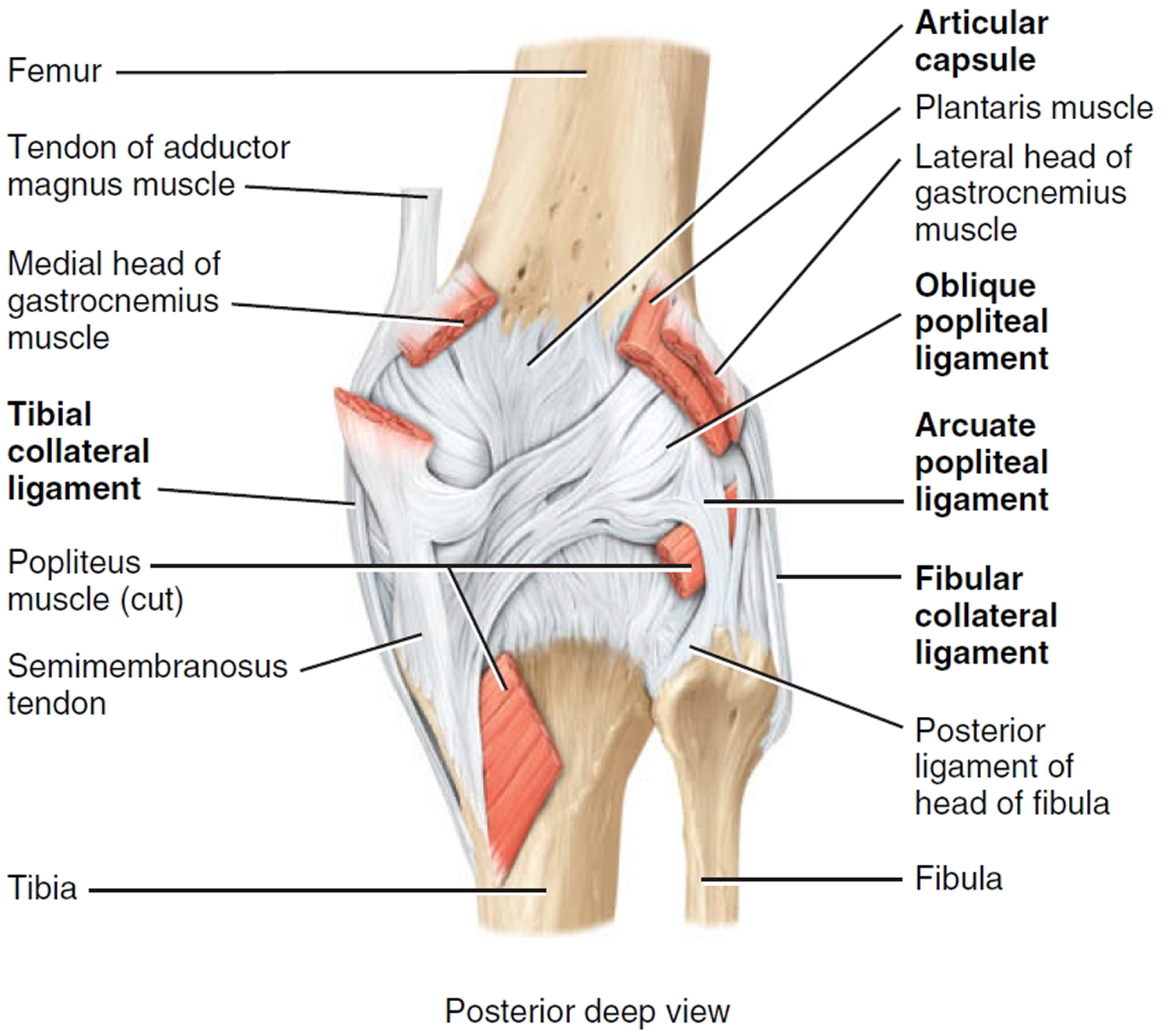
Understanding the intricacies of the knee joint is crucial for anyone involved in sports, physical therapy, or simply interested in maintaining good health. The knee is a complex structure composed of bones, cartilage, ligaments, and, importantly, knee muscles and tendons. These components work together to provide stability, mobility, and strength to the knee joint. This blog post delves into the anatomy, function, and common issues related to knee muscles and tendons, offering insights into how to keep your knees healthy and functional.
Anatomy of the Knee Joint
The knee joint is the largest joint in the human body and is composed of several key structures. The femur (thighbone), tibia (shinbone), and patella (kneecap) are the primary bones involved. The knee muscles and tendons play a pivotal role in the joint's functionality. The quadriceps muscles, located at the front of the thigh, and the hamstring muscles, located at the back of the thigh, are the primary muscle groups that influence knee movement.
Knee Muscles
The quadriceps muscles are a group of four muscles that extend the knee. These muscles include the rectus femoris, vastus lateralis, vastus medialis, and vastus intermedius. Together, they work to straighten the leg and provide stability to the knee joint. The hamstring muscles, on the other hand, are responsible for flexing the knee and include the biceps femoris, semitendinosus, and semimembranosus.
Other important muscles that support the knee include the gastrocnemius and soleus, which are part of the calf muscles and help in plantar flexion of the foot. The popliteus muscle, located at the back of the knee, assists in unlocking the knee joint during flexion.
Knee Tendons
Tendons are fibrous connective tissues that attach muscles to bones. In the knee, the most notable tendons are the patellar tendon and the quadriceps tendon. The patellar tendon connects the patella to the tibia, while the quadriceps tendon connects the quadriceps muscles to the patella. These tendons are crucial for the transmission of forces from the muscles to the bones, enabling movement and stability.
Another important tendon is the Achilles tendon, which, although not directly part of the knee, plays a significant role in the overall biomechanics of the lower leg. It connects the calf muscles to the heel bone and is essential for activities like walking, running, and jumping.
Common Issues with Knee Muscles and Tendons
Injuries and conditions affecting the knee muscles and tendons are common, especially among athletes and individuals involved in high-impact activities. Some of the most prevalent issues include:
- Patellar Tendinitis: Also known as "jumper's knee," this condition involves inflammation of the patellar tendon. It is often caused by repetitive stress and overuse, leading to pain and tenderness below the kneecap.
- Quadriceps Tendinitis: This condition affects the quadriceps tendon and is characterized by pain and swelling above the kneecap. It is commonly seen in athletes involved in sports that require frequent jumping and landing.
- Hamstring Strains: These injuries occur when the hamstring muscles are stretched or torn, often due to sudden acceleration or deceleration movements. Symptoms include pain, swelling, and difficulty bending the knee.
- Patellar Tendinosis: Unlike tendinitis, tendinosis involves degeneration of the tendon tissue rather than inflammation. It is a chronic condition that can cause persistent pain and weakness in the knee.
Preventing Knee Injuries
Preventing injuries to the knee muscles and tendons involves a combination of proper warm-up, strength training, and conditioning. Here are some key strategies to keep your knees healthy:
- Warm-Up and Cool-Down: Always include a warm-up routine before physical activity to increase blood flow and prepare the muscles for exercise. A cool-down routine helps in reducing muscle soreness and promoting recovery.
- Strength Training: Focus on exercises that strengthen the quadriceps, hamstrings, and calf muscles. This includes squats, lunges, leg presses, and calf raises. Strong muscles provide better support and stability to the knee joint.
- Flexibility and Mobility: Incorporate stretching exercises to improve the flexibility of the knee muscles and tendons. Dynamic stretches before exercise and static stretches after exercise can help maintain a good range of motion.
- Proper Technique: Use correct form and technique during physical activities to avoid unnecessary stress on the knee. This is particularly important in sports that involve jumping, landing, and sudden changes in direction.
- Gradual Progression: Increase the intensity and duration of your workouts gradually to allow your muscles and tendons to adapt to the new demands. Avoid sudden increases in activity levels that can lead to overuse injuries.
💡 Note: Always consult with a healthcare professional before starting any new exercise program, especially if you have a history of knee injuries or chronic conditions.
Treatment Options for Knee Injuries
If you experience pain or discomfort in your knee muscles and tendons, it is essential to seek medical attention promptly. Treatment options may vary depending on the severity and type of injury but generally include:
- Rest, Ice, Compression, and Elevation (RICE): This is a common first-line treatment for acute injuries. Resting the affected area, applying ice, using compression bandages, and elevating the leg can help reduce pain and swelling.
- Physical Therapy: A physical therapist can design a rehabilitation program tailored to your specific needs. This may include exercises to improve strength, flexibility, and range of motion.
- Medications: Over-the-counter pain relievers such as ibuprofen or naproxen can help manage pain and inflammation. In some cases, prescription medications may be necessary.
- Injections: Corticosteroid injections can be used to reduce inflammation and pain in severe cases. Platelet-rich plasma (PRP) injections are also gaining popularity as a regenerative treatment option.
- Surgery: In cases of severe or chronic injuries, surgical intervention may be required. Procedures such as tendon repair, arthroscopy, or ligament reconstruction can help restore function and stability to the knee joint.
Exercises for Knee Health
Incorporating specific exercises into your routine can help maintain the health and functionality of your knee muscles and tendons. Here are some effective exercises to consider:
Quadriceps Strengthening
Strengthening the quadriceps muscles is crucial for knee stability and function. Some effective exercises include:
- Straight Leg Raises: Lie on your back with one leg extended and the other bent. Slowly lift the extended leg a few inches off the ground and hold for a few seconds before lowering it back down.
- Wall Sits: Stand with your back against a wall and your feet shoulder-width apart. Slide down the wall until your thighs are parallel to the ground and hold this position for 20-30 seconds.
- Leg Presses: Use a leg press machine to perform controlled movements, focusing on the quadriceps muscles. Start with a light weight and gradually increase as you gain strength.
Hamstring Strengthening
Strong hamstrings help balance the forces around the knee joint and prevent injuries. Some effective exercises include:
- Hamstring Curls: Lie on your stomach with your legs extended. Bend one knee and bring your heel toward your glutes, then slowly lower it back down. Repeat with the other leg.
- Bridge Exercises: Lie on your back with your knees bent and feet flat on the ground. Lift your hips off the ground until your body forms a straight line from your shoulders to your knees. Hold for a few seconds and lower back down.
- Deadlifts: Stand with your feet shoulder-width apart and a barbell or dumbbells in front of you. Bend at your hips and knees to lift the weight, keeping it close to your body. Stand up straight and lower the weight back down.
Calf Strengthening
Strong calf muscles support the ankle and knee joints, improving overall lower leg stability. Some effective exercises include:
- Calf Raises: Stand on the edge of a step or raised platform with your heels hanging off. Slowly lower your heels down, then push through the balls of your feet to rise up as high as possible. Repeat for several repetitions.
- Seated Calf Raises: Sit on a bench or chair with your feet flat on the ground. Place a weight on your thighs for added resistance. Lift your heels off the ground, then lower them back down. Repeat for several repetitions.
- Jump Rope: Jumping rope is a great cardiovascular exercise that also strengthens the calf muscles. Start with short intervals and gradually increase the duration as your fitness improves.
Nutrition for Knee Health
Proper nutrition plays a vital role in maintaining the health of your knee muscles and tendons. A balanced diet rich in essential nutrients can support muscle recovery, reduce inflammation, and promote overall joint health. Some key nutrients to focus on include:
- Protein: Essential for muscle repair and growth, protein can be found in lean meats, poultry, fish, eggs, dairy products, and plant-based sources like beans and lentils.
- Calcium and Vitamin D: These nutrients are crucial for bone health and can be obtained from dairy products, leafy greens, and fortified foods. Vitamin D is also synthesized by the body through sunlight exposure.
- Omega-3 Fatty Acids: Found in fatty fish like salmon, mackerel, and sardines, as well as in walnuts and flaxseeds, omega-3s have anti-inflammatory properties that can help reduce joint pain and swelling.
- Antioxidants: Foods rich in antioxidants, such as berries, colorful fruits and vegetables, and green tea, can help combat oxidative stress and inflammation in the body.
In addition to a balanced diet, staying hydrated is essential for maintaining the health of your knee muscles and tendons. Adequate hydration helps lubricate the joints, supports muscle function, and aids in the recovery process.
💡 Note: If you have specific dietary needs or restrictions, consult with a registered dietitian or nutritionist to develop a personalized nutrition plan.
Conclusion
Understanding the role of knee muscles and tendons is essential for maintaining knee health and preventing injuries. By incorporating strength training, flexibility exercises, and proper nutrition into your routine, you can support the overall functionality of your knee joint. Whether you are an athlete, a fitness enthusiast, or simply looking to maintain good health, taking care of your knee muscles and tendons is crucial for long-term mobility and well-being. Always remember to listen to your body and seek professional advice if you experience any pain or discomfort. With the right approach, you can keep your knees strong and healthy for years to come.
Related Terms:
- knee muscles and tendons anatomy
- muscles around the knee
- knee tendons and ligaments diagram
- tendons in knee
- muscles around the knee diagram
- detailed picture of the knee