In the realm of chemistry, the classification of elements is a fundamental aspect of understanding their properties and behaviors. One of the most intriguing questions that often arises is, "Is Al a metalloid?" Aluminum (Al) is a well-known element, but its classification can sometimes be confusing. This blog post will delve into the properties of aluminum, its classification, and compare it with metalloids to provide a clear understanding of where aluminum stands in the periodic table.
Understanding Metalloids
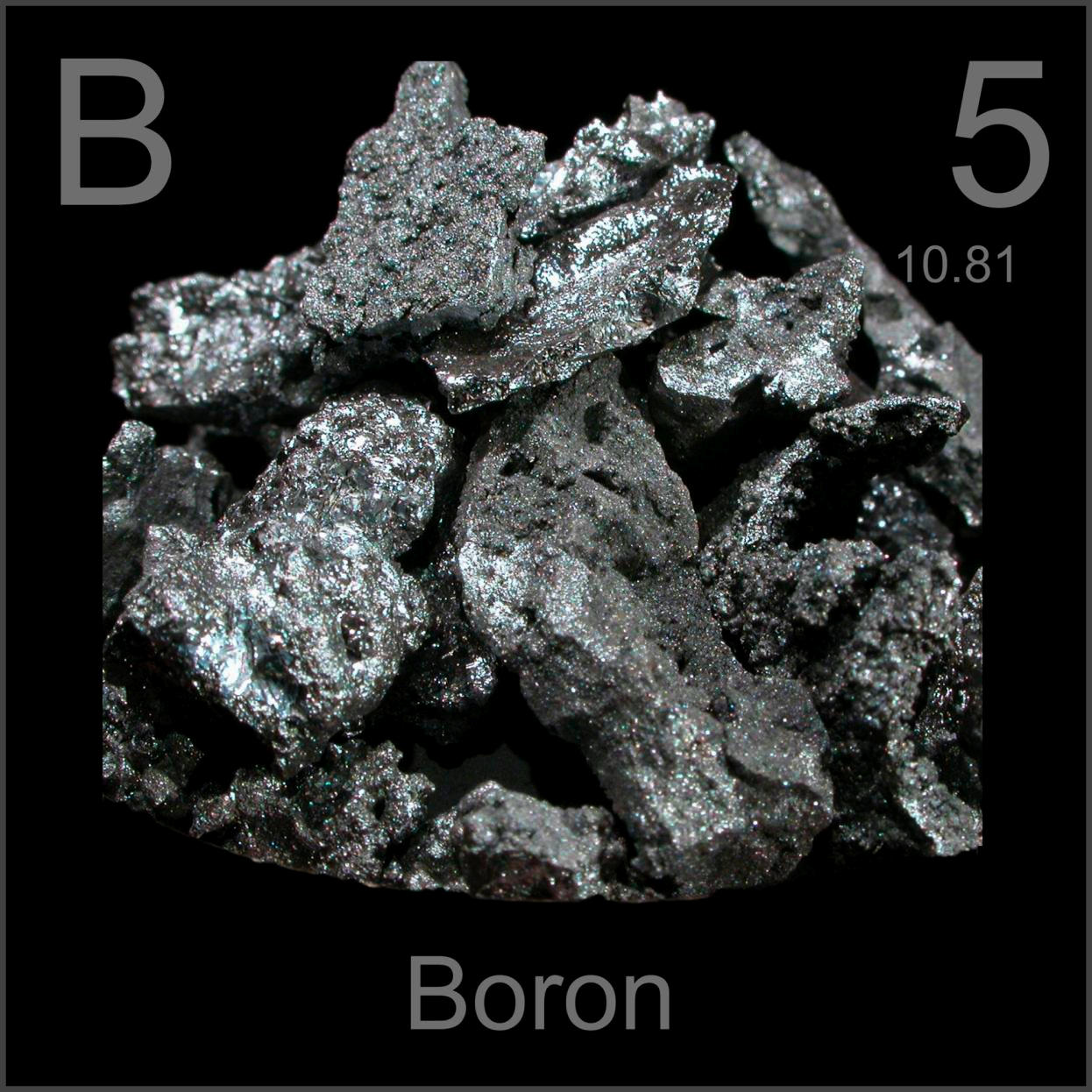
Metalloids, also known as semimetals, are a group of elements that exhibit properties intermediate between metals and nonmetals. These elements often have a metallic luster but are brittle and have semiconducting properties. Common metalloids include boron (B), silicon (Si), germanium (Ge), arsenic (As), antimony (Sb), and tellurium (Te).
Properties of Aluminum
Aluminum is a silvery-white metal known for its light weight, high strength-to-weight ratio, and excellent conductivity of heat and electricity. It is the third most abundant element in the Earth’s crust and is widely used in various industries, including aerospace, automotive, and construction. Some key properties of aluminum include:
- Atomic Number: 13
- Atomic Mass: Approximately 26.98 u
- Electron Configuration: [Ne] 3s23p1
- Melting Point: 660.32 °C
- Boiling Point: 2470 °C
- Density: 2.70 g/cm3
- Electrical Conductivity: High
- Thermal Conductivity: High
Is Al a Metalloid?
To determine whether aluminum is a metalloid, we need to compare its properties with those of typical metalloids. Aluminum is generally classified as a post-transition metal rather than a metalloid. Here are some reasons why:
- Conductivity: Aluminum has high electrical and thermal conductivity, which is a characteristic of metals, not metalloids.
- Malleability and Ductility: Aluminum is highly malleable and ductile, meaning it can be hammered into thin sheets or drawn into wires without breaking. This property is typical of metals.
- Luster: Aluminum has a metallic luster, which is common in metals but not necessarily in metalloids.
- Chemical Reactivity: Aluminum reacts with oxygen to form a protective oxide layer, which is a characteristic of metals.
In contrast, metalloids typically have lower conductivity, are brittle, and have semiconducting properties. For example, silicon, a well-known metalloid, is used in semiconductors and has a much lower electrical conductivity compared to aluminum.
Comparing Aluminum with Metalloids
To further clarify the distinction, let’s compare aluminum with a few metalloids:
| Property | Aluminum (Al) | Silicon (Si) | Germanium (Ge) |
|---|---|---|---|
| Electrical Conductivity | High | Low | Low |
| Thermal Conductivity | High | Moderate | Moderate |
| Malleability | High | Brittle | Brittle |
| Ductility | High | Brittle | Brittle |
| Luster | Metallic | Metallic | Metallic |
| Chemical Reactivity | Forms protective oxide layer | Forms oxide layer | Forms oxide layer |
From the table, it is clear that aluminum's properties align more closely with those of metals rather than metalloids. Its high conductivity, malleability, and ductility are characteristic of metals, while metalloids like silicon and germanium exhibit lower conductivity and are brittle.
Applications of Aluminum
Aluminum’s unique properties make it highly versatile and valuable in various applications. Some of the key uses of aluminum include:
- Aerospace Industry: Aluminum is used in the construction of aircraft due to its light weight and high strength.
- Automotive Industry: Aluminum is used to reduce the weight of vehicles, improving fuel efficiency.
- Construction: Aluminum is used in building materials, such as windows, doors, and roofing, due to its durability and resistance to corrosion.
- Packaging: Aluminum is used in food and beverage packaging, such as cans and foil, due to its ability to form a protective barrier.
- Electrical Conductors: Aluminum is used in power transmission lines due to its high electrical conductivity and light weight.
These applications highlight the importance of aluminum in modern industry and technology, further emphasizing its classification as a metal rather than a metalloid.
📝 Note: While aluminum is not a metalloid, it is important to note that the classification of elements can sometimes be nuanced and context-dependent. In certain specialized fields, elements may exhibit properties that blur the lines between traditional classifications.
In summary, aluminum is not a metalloid. Its high conductivity, malleability, ductility, and metallic luster are characteristic of metals. While metalloids exhibit properties intermediate between metals and nonmetals, aluminum’s properties align more closely with those of metals. Understanding the classification of aluminum is crucial for appreciating its unique properties and wide-ranging applications in various industries.
Related Terms:
- al is metal or nonmetal
- is aluminum a transition metal
- is aluminium a heavy metal
- is a metalloid considered metal
- aluminum a metal or nonmetal
- why isn't aluminum a metalloid