In the world of display technology, the debate between IPS vs LCD has been a longstanding one. Both technologies have their unique advantages and disadvantages, making the choice between them a critical decision for consumers and professionals alike. Understanding the differences between IPS (In-Plane Switching) and LCD (Liquid Crystal Display) panels can help you make an informed decision based on your specific needs and preferences.
Understanding LCD Technology
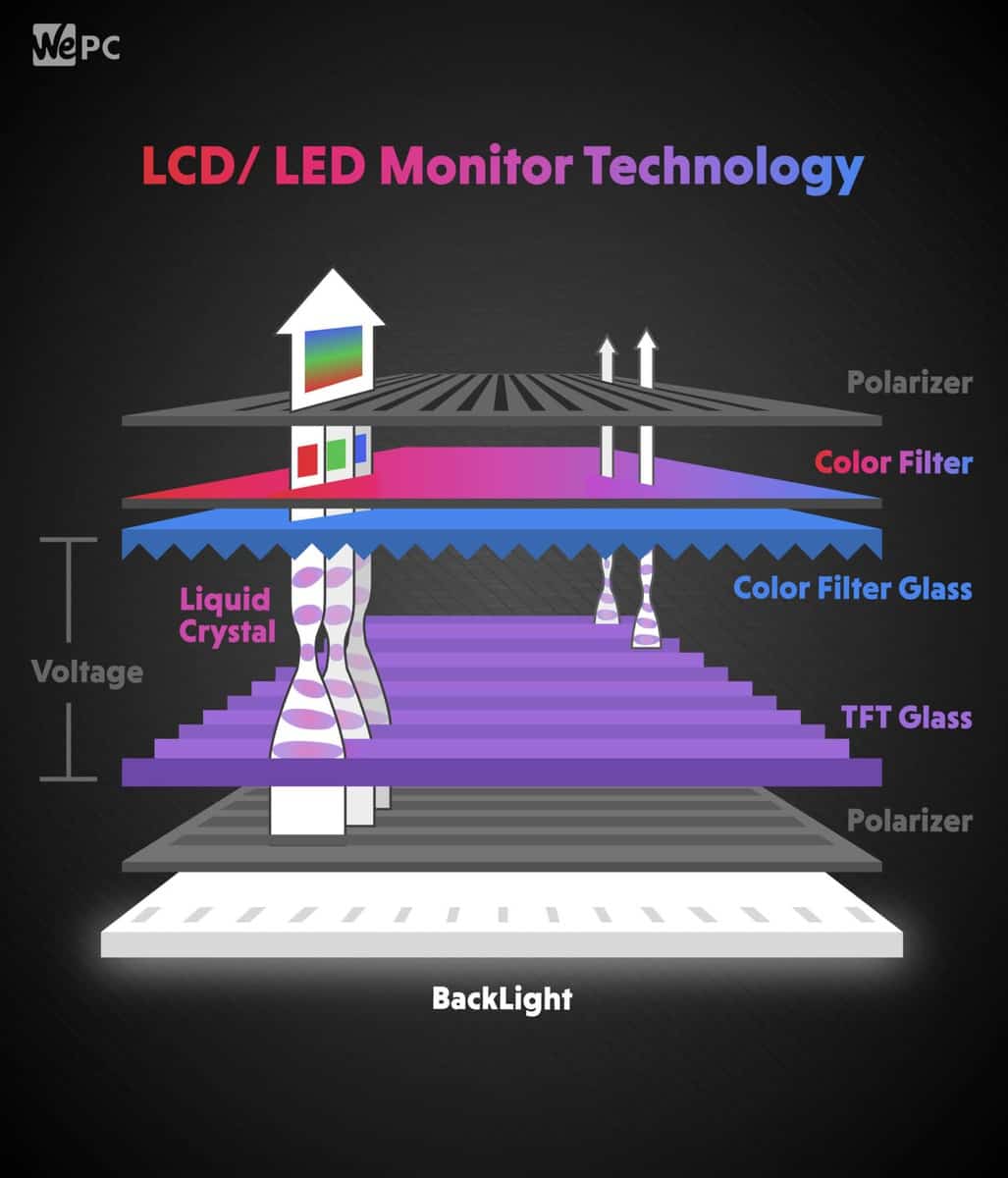
LCD technology has been around for decades and is widely used in various devices, from televisions to computer monitors. LCD panels work by using a backlight to illuminate liquid crystals, which then filter the light to produce images. The liquid crystals are sandwiched between two polarizing filters, and an electric current is used to control the orientation of the crystals, thereby controlling the amount of light that passes through.
LCD panels are known for their affordability and energy efficiency. They are also capable of producing vibrant colors and high contrast ratios. However, one of the main drawbacks of traditional LCD panels is their limited viewing angles. This means that the image quality can degrade significantly when viewed from an angle, making them less suitable for applications where multiple viewers are involved.
Exploring IPS Technology
IPS (In-Plane Switching) technology is an advanced form of LCD that addresses some of the limitations of traditional LCD panels. IPS panels use a different method to control the orientation of liquid crystals, which results in better viewing angles and more accurate color reproduction. In IPS panels, the liquid crystals are aligned parallel to the glass substrates, and the electric field is applied in the same plane, hence the name "In-Plane Switching."
One of the key advantages of IPS panels is their superior viewing angles. This means that the image quality remains consistent even when viewed from extreme angles, making them ideal for applications such as graphic design, photography, and video editing. IPS panels also offer better color accuracy and wider color gamuts, which is crucial for professionals who require precise color representation.
IPS vs LCD: Key Differences
When comparing IPS vs LCD, several key differences become apparent. Understanding these differences can help you determine which technology is better suited for your needs.
- Viewing Angles: IPS panels offer significantly better viewing angles compared to traditional LCD panels. This makes IPS panels a better choice for applications where multiple viewers are involved or where the display needs to be viewed from various angles.
- Color Accuracy: IPS panels generally provide better color accuracy and wider color gamuts, making them ideal for professional applications such as graphic design, photography, and video editing.
- Response Time: Traditional LCD panels often have faster response times compared to IPS panels. This makes LCD panels a better choice for gaming and fast-paced video content where motion blur can be an issue.
- Cost: LCD panels are generally more affordable than IPS panels. This makes LCD panels a more cost-effective option for budget-conscious consumers.
- Power Consumption: LCD panels are typically more energy-efficient than IPS panels, making them a better choice for devices where power consumption is a concern.
Applications of IPS vs LCD
The choice between IPS vs LCD often depends on the specific application and user requirements. Here are some common applications where one technology may be preferred over the other:
- Gaming: For gaming, traditional LCD panels with faster response times are often preferred. This helps to reduce motion blur and ghosting, providing a smoother gaming experience.
- Professional Work: For professional applications such as graphic design, photography, and video editing, IPS panels are generally the better choice due to their superior color accuracy and wider viewing angles.
- General Use: For general use, such as web browsing, watching movies, and everyday computing tasks, both LCD and IPS panels can be suitable. The choice may come down to personal preference and budget.
Future Trends in Display Technology
As display technology continues to evolve, both LCD and IPS panels are being improved and enhanced. Newer technologies such as OLED (Organic Light Emitting Diode) and QLED (Quantum Dot Light Emitting Diode) are also gaining traction, offering even better performance and features. However, LCD and IPS panels remain popular due to their affordability and widespread availability.
In the future, we can expect to see further advancements in display technology, with a focus on improving color accuracy, response times, and energy efficiency. As these technologies continue to evolve, the debate between IPS vs LCD may become less relevant, as newer technologies offer even better performance and features.
💡 Note: While IPS panels offer superior viewing angles and color accuracy, they may not be the best choice for all applications. For example, traditional LCD panels with faster response times are often preferred for gaming and fast-paced video content.
In conclusion, the choice between IPS vs LCD depends on your specific needs and preferences. IPS panels offer superior viewing angles and color accuracy, making them ideal for professional applications. Traditional LCD panels, on the other hand, are more affordable and energy-efficient, making them a better choice for general use and budget-conscious consumers. Understanding the key differences between these technologies can help you make an informed decision and choose the best display technology for your needs.
Related Terms:
- difference between lcd and ips
- ips vs lcd for gaming
- is lcd or ips better
- is ips better than lcd
- ips lcd pros and cons
- ips vs led display