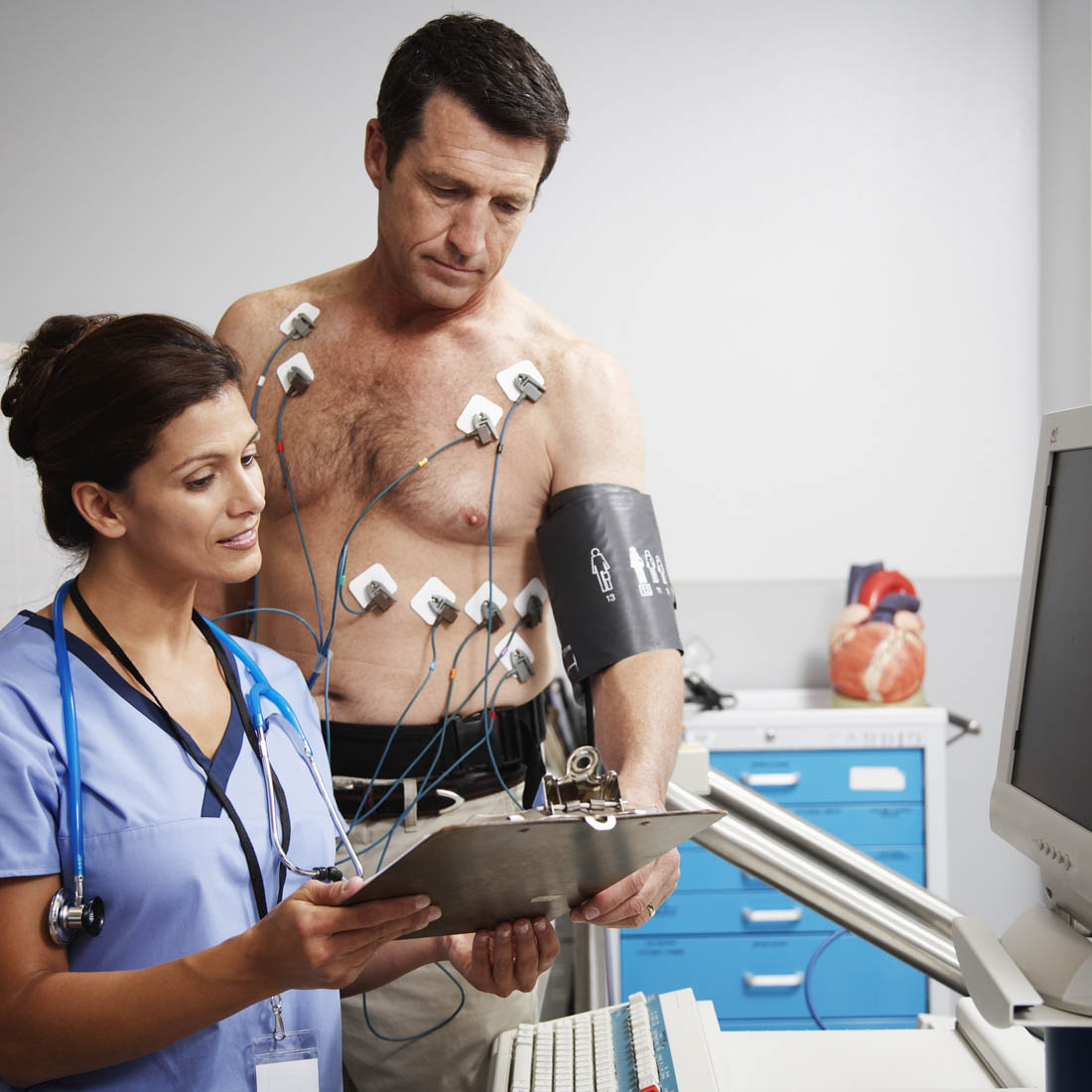
In the dynamic field of healthcare, the role of an Invasive Cardiovascular Technologist is pivotal. These professionals are essential in diagnosing and treating cardiovascular diseases, utilizing advanced medical technology to perform invasive procedures. Their expertise ensures that patients receive accurate diagnoses and effective treatments, often in critical situations. This blog post delves into the responsibilities, training, and career prospects of an Invasive Cardiovascular Technologist, providing a comprehensive overview of this vital role in modern medicine.
Understanding the Role of an Invasive Cardiovascular Technologist
An Invasive Cardiovascular Technologist specializes in performing diagnostic and therapeutic procedures related to the heart and blood vessels. These procedures often involve the use of catheters, imaging equipment, and other advanced medical tools. The primary goal is to diagnose and treat cardiovascular diseases, which are among the leading causes of death worldwide. The role requires a high level of technical skill, precision, and the ability to work under pressure.
Responsibilities of an Invasive Cardiovascular Technologist
The responsibilities of an Invasive Cardiovascular Technologist are diverse and demanding. Key duties include:
- Performing diagnostic procedures such as cardiac catheterization, angiography, and electrophysiology studies.
- Assisting in therapeutic procedures like angioplasty, stent placement, and pacemaker implantation.
- Operating and maintaining complex medical equipment, ensuring it is in optimal working condition.
- Monitoring patients' vital signs and overall condition during procedures.
- Preparing and administering medications as directed by physicians.
- Documenting procedures and maintaining accurate patient records.
- Collaborating with a multidisciplinary team, including cardiologists, nurses, and other healthcare professionals.
These responsibilities require a deep understanding of cardiovascular anatomy, physiology, and the latest medical technologies. The ability to work efficiently and effectively in a high-stress environment is crucial.
Training and Education
Becoming an Invasive Cardiovascular Technologist involves rigorous training and education. The pathway typically includes:
- Completion of a postsecondary education program in cardiovascular technology, which can be a two-year associate degree or a four-year bachelor's degree.
- Clinical training in a hospital or healthcare setting, where students gain hands-on experience under the supervision of experienced professionals.
- Certification through organizations such as the Cardiovascular Credentialing International (CCI) or the American Registry of Radiologic Technologists (ARRT).
- Continuing education to stay updated with the latest advancements in cardiovascular technology and procedures.
Many programs offer specialized training in invasive procedures, ensuring that graduates are well-prepared to enter the workforce. The combination of classroom instruction and clinical experience provides a solid foundation for a successful career.
Important Skills for an Invasive Cardiovascular Technologist
To excel as an Invasive Cardiovascular Technologist, several key skills are essential:
- Technical Proficiency: Expertise in operating complex medical equipment and performing invasive procedures.
- Attention to Detail: Precision is crucial in diagnosing and treating cardiovascular diseases.
- Communication Skills: Effective communication with patients, physicians, and other healthcare team members.
- Problem-Solving Abilities: The ability to think critically and make quick decisions in high-pressure situations.
- Physical Stamina: The role often involves long hours of standing and performing physically demanding tasks.
- Empathy and Compassion: Providing emotional support to patients and their families during stressful procedures.
These skills are honed through education, training, and experience, making Invasive Cardiovascular Technologists invaluable members of the healthcare team.
Career Prospects and Advancement
The demand for Invasive Cardiovascular Technologists is expected to grow significantly in the coming years. Factors driving this growth include:
- The aging population, which increases the prevalence of cardiovascular diseases.
- Advancements in medical technology, leading to more sophisticated diagnostic and therapeutic procedures.
- The emphasis on preventive care and early detection of cardiovascular issues.
Career advancement opportunities for Invasive Cardiovascular Technologists are diverse. With experience and additional training, they can:
- Specialize in specific areas such as electrophysiology or interventional cardiology.
- Take on leadership roles, such as supervising a team of technicians or managing a cardiovascular lab.
- Pursue further education to become physicians or researchers in the field of cardiology.
Continuing education and certification are key to staying competitive and advancing in this field.
Challenges and Rewards
Working as an Invasive Cardiovascular Technologist comes with its own set of challenges and rewards. Some of the challenges include:
- High-stress environments, especially during emergency procedures.
- Long working hours and the need for physical stamina.
- The emotional toll of dealing with critically ill patients.
Despite these challenges, the rewards are substantial:
- The satisfaction of making a significant difference in patients' lives.
- The opportunity to work with cutting-edge medical technology.
- A competitive salary and strong job prospects.
For those passionate about healthcare and technology, the role of an Invasive Cardiovascular Technologist offers a fulfilling and impactful career path.
The Future of Invasive Cardiovascular Technology
The field of invasive cardiovascular technology is continually evolving, driven by advancements in medical science and technology. Some of the emerging trends include:
- Minimally invasive procedures that reduce patient recovery time and improve outcomes.
- Advanced imaging techniques that provide more detailed and accurate diagnoses.
- The integration of artificial intelligence and machine learning in cardiovascular diagnostics and treatment.
These advancements are reshaping the role of the Invasive Cardiovascular Technologist, requiring continuous learning and adaptation. The future holds exciting possibilities for those in this field, with opportunities to contribute to groundbreaking research and innovative treatments.
📚 Note: The field of invasive cardiovascular technology is highly regulated, and professionals must adhere to strict guidelines and standards to ensure patient safety and effective treatment.
In conclusion, the role of an Invasive Cardiovascular Technologist is both challenging and rewarding. These professionals play a crucial part in diagnosing and treating cardiovascular diseases, utilizing advanced medical technology to improve patient outcomes. With a strong demand for their skills and ample opportunities for career advancement, the future looks bright for those pursuing this career path. The continuous evolution of medical technology ensures that Invasive Cardiovascular Technologists will remain at the forefront of healthcare innovation, making a significant impact on the lives of patients worldwide.
Related Terms:
- invasive cardiovascular technologist dallas college
- cardiovascular invasive specialist programs
- invasive cardiovascular technologist school
- invasive cardiovascular technologist programs
- invasive cardiovascular technologist certification
- invasive cardiovascular technologist jobs