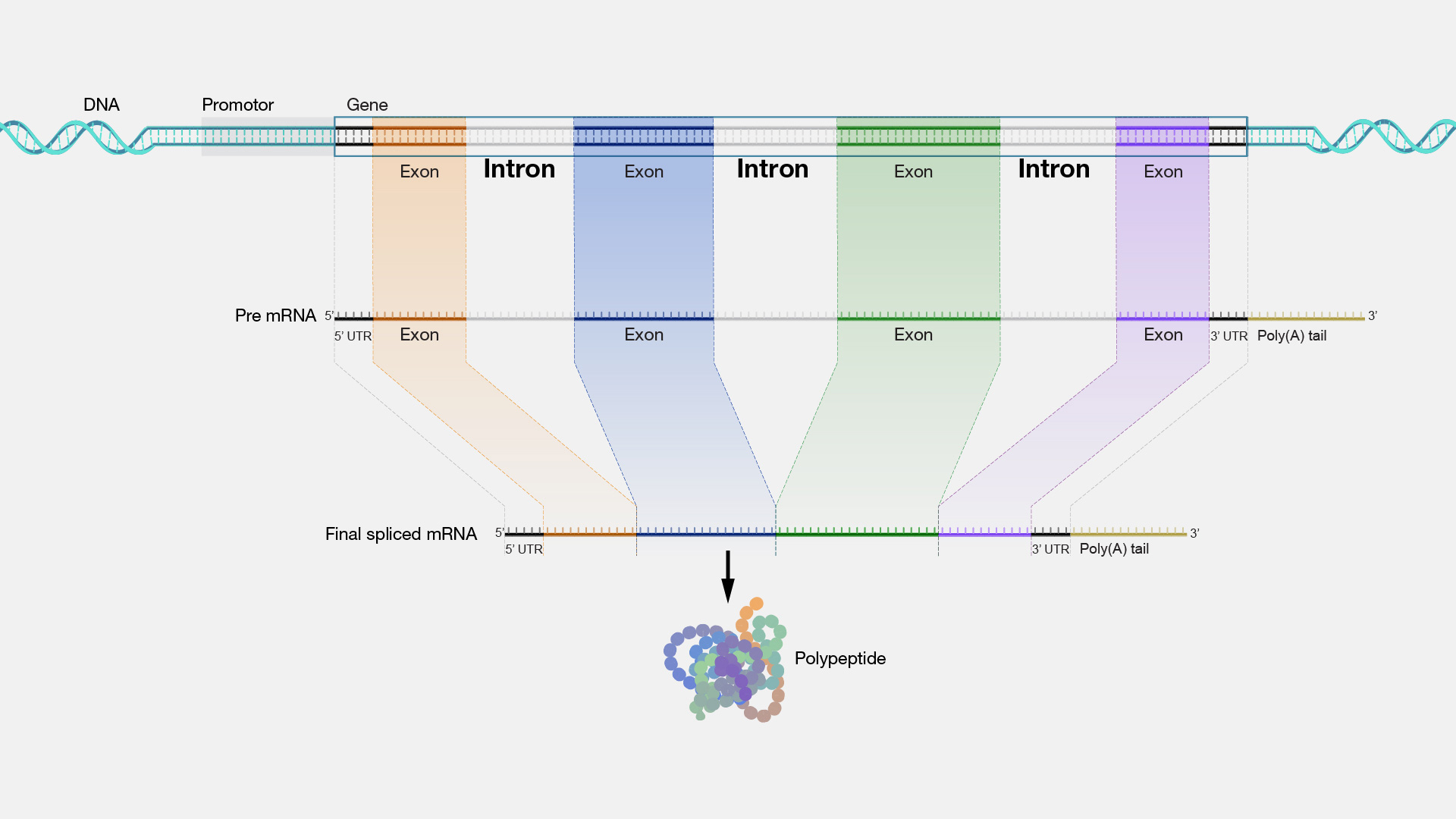
Genetics is a fascinating field that delves into the intricacies of how traits are passed from one generation to the next. At the heart of this science lies the study of DNA, the molecule that carries the genetic instructions for all known living organisms. Within DNA, there are specific segments known as genes, which are responsible for encoding proteins. Understanding the structure and function of genes is crucial for comprehending how genetic information is translated into biological traits. One of the fundamental concepts in this area is the distinction between intron vs exon.
Understanding Genes and Their Structure
Genes are segments of DNA that contain the information necessary to produce functional products, such as proteins. The structure of a gene is complex and involves several key components. The primary components of a gene are exons and introns. Exons are the coding regions of a gene, which contain the instructions for making proteins. Introns, on the other hand, are non-coding regions that do not contribute to the final protein product. The process of removing introns and splicing exons together is known as splicing, which is essential for the proper functioning of genes.
Intron vs Exon: The Key Differences
To fully grasp the concept of intron vs exon, it is important to understand their roles and characteristics. Here are the key differences between introns and exons:
- Function: Exons contain the coding sequences that are translated into proteins, while introns are non-coding sequences that are removed during the splicing process.
- Location: Exons are found within the coding regions of a gene, whereas introns are interspersed between exons.
- Size: Introns can vary significantly in size, often being much larger than exons. Exons are typically shorter and more consistent in length.
- Splicing: During the process of splicing, introns are excised from the pre-mRNA, and exons are joined together to form the mature mRNA, which is then translated into a protein.
The Role of Introns in Gene Regulation
While introns do not directly contribute to the final protein product, they play a crucial role in gene regulation. Introns can influence gene expression through various mechanisms, including alternative splicing, which allows for the production of different protein isoforms from a single gene. This process is essential for increasing the diversity of proteins that can be produced from a limited number of genes. Additionally, introns can contain regulatory elements that control gene expression, such as enhancers and silencers, which can activate or repress transcription.
The Importance of Exons in Protein Synthesis
Exons are the coding regions of a gene that are translated into proteins. The sequence of nucleotides in exons determines the sequence of amino acids in the resulting protein. The process of protein synthesis involves several steps, including transcription, splicing, and translation. During transcription, the DNA sequence of a gene is copied into a pre-mRNA molecule. The pre-mRNA then undergoes splicing, where introns are removed, and exons are joined together to form the mature mRNA. The mature mRNA is then translated into a protein by ribosomes, which read the sequence of nucleotides and assemble the corresponding amino acids into a polypeptide chain.
Alternative Splicing and Its Implications
Alternative splicing is a process that allows for the production of multiple protein isoforms from a single gene. This process involves the differential inclusion or exclusion of exons during the splicing of pre-mRNA. Alternative splicing is regulated by various factors, including splicing factors and regulatory elements within introns and exons. The ability to produce different protein isoforms from a single gene increases the diversity of proteins that can be produced and allows for greater flexibility in gene expression. This process is particularly important in complex organisms, where a limited number of genes can give rise to a vast array of proteins.
Genetic Disorders and the Role of Introns and Exons
Mutations in introns and exons can lead to genetic disorders. Mutations in exons can result in the production of non-functional or aberrant proteins, which can disrupt normal cellular processes and lead to disease. For example, mutations in the exon regions of the CFTR gene are responsible for cystic fibrosis, a genetic disorder that affects the lungs and digestive system. Similarly, mutations in introns can disrupt the splicing process, leading to the production of abnormal proteins or the complete loss of protein function. For instance, mutations in the intron regions of the BRCA1 gene are associated with an increased risk of breast and ovarian cancer.
Technological Advances in Studying Introns and Exons
Advances in genetic technologies have greatly enhanced our ability to study introns and exons. Techniques such as next-generation sequencing (NGS) allow for the rapid and accurate sequencing of entire genomes, providing detailed information about the structure and function of genes. Additionally, RNA sequencing (RNA-seq) enables the analysis of gene expression patterns, including the identification of alternatively spliced isoforms. These technologies have revolutionized the field of genetics and have led to significant advancements in our understanding of gene regulation and the molecular basis of disease.
🔍 Note: The study of introns and exons is an active area of research, and new discoveries are continually being made. Staying updated with the latest findings can provide valuable insights into the complexities of gene regulation and its implications for human health.
Future Directions in Intron and Exon Research
As our understanding of introns and exons continues to grow, so too does the potential for developing new therapeutic strategies. For example, targeted therapies that modulate alternative splicing could be used to treat genetic disorders caused by aberrant splicing. Additionally, the development of gene-editing technologies, such as CRISPR-Cas9, offers the possibility of correcting mutations in introns and exons, potentially curing genetic diseases. The future of intron and exon research holds great promise for improving our understanding of gene regulation and developing innovative treatments for a wide range of genetic disorders.
In summary, the study of intron vs exon is fundamental to our understanding of gene structure and function. Exons are the coding regions that contain the instructions for making proteins, while introns are non-coding regions that play a crucial role in gene regulation. The process of splicing, which involves the removal of introns and the joining of exons, is essential for the proper functioning of genes. Mutations in introns and exons can lead to genetic disorders, highlighting the importance of understanding these components in the context of human health. Advances in genetic technologies have greatly enhanced our ability to study introns and exons, paving the way for new discoveries and therapeutic strategies. As research in this field continues to evolve, we can expect to gain even deeper insights into the complexities of gene regulation and its implications for human health.
Related Terms:
- intron sequences
- exon vs intron splicing
- intron definition
- introns vs exons examples
- define exon in biology
- introns and exons difference