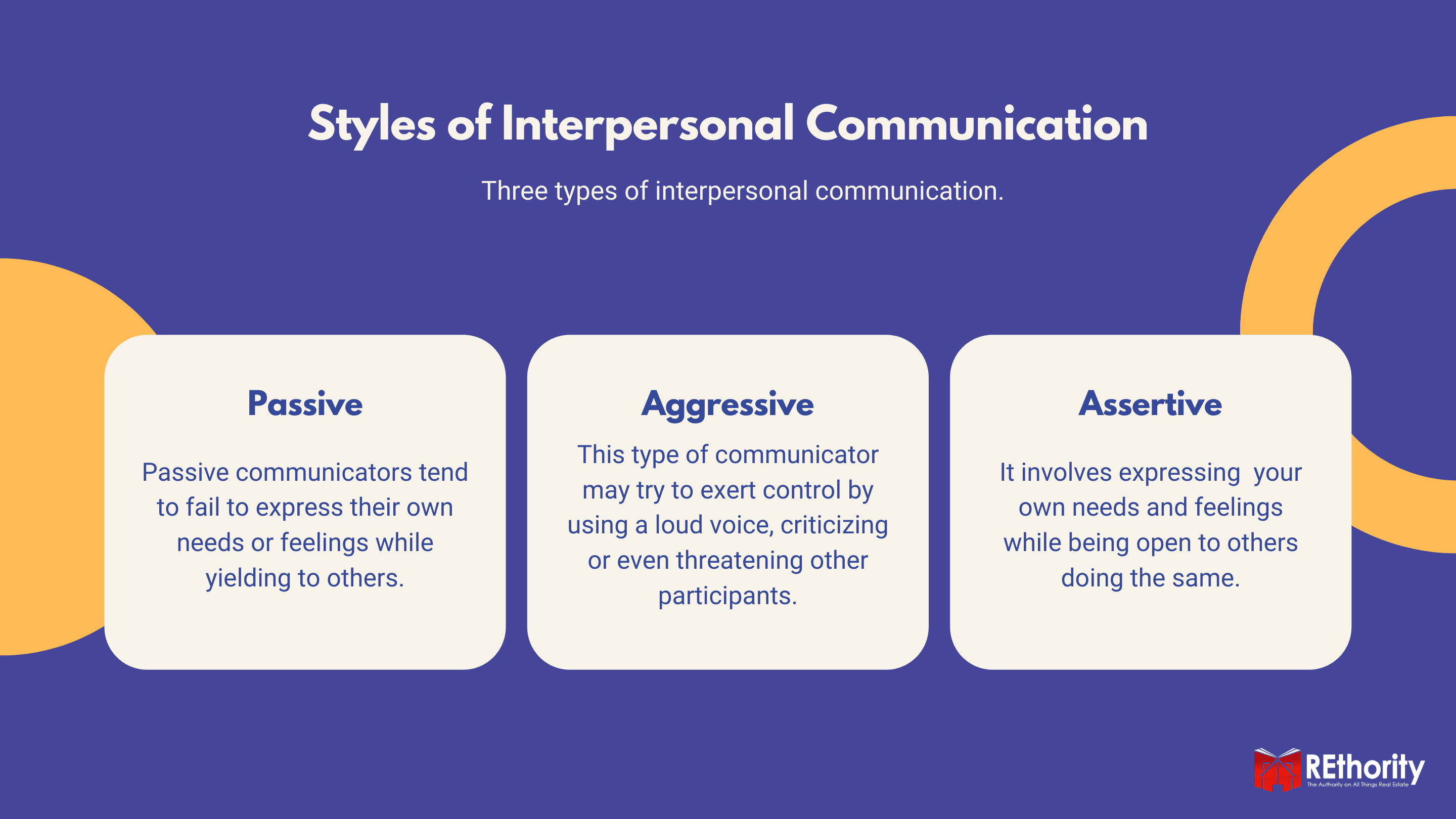
Effective interpersonal communication is a cornerstone of successful relationships, both personal and professional. Understanding and implementing various interpersonal communication examples can significantly enhance your ability to connect with others, resolve conflicts, and build strong, lasting bonds. This blog post delves into the intricacies of interpersonal communication, providing practical examples and insights to help you improve your communication skills.
Understanding Interpersonal Communication
Interpersonal communication refers to the exchange of information, feelings, and meanings through verbal and non-verbal messages between individuals. It is a dynamic process that involves sending, receiving, and interpreting messages. Effective interpersonal communication is crucial in various settings, including family, friendships, and the workplace.
The Importance of Interpersonal Communication
Interpersonal communication plays a vital role in our daily lives. It helps us to:
- Build and maintain relationships
- Resolve conflicts
- Collaborate effectively
- Express emotions and thoughts
- Influence and persuade others
By mastering the art of interpersonal communication, you can foster deeper connections, enhance teamwork, and achieve your personal and professional goals.
Key Elements of Effective Interpersonal Communication
Effective interpersonal communication involves several key elements:
Active Listening
Active listening is the process of fully engaging with the speaker, showing that you are interested and involved. It involves:
- Making eye contact
- Nodding and using verbal cues like "uh-huh" or "I see"
- Paraphrasing and summarizing what the speaker has said
- Avoiding distractions and interruptions
Active listening helps to build trust and understanding, making the speaker feel valued and heard.
Clear and Concise Messaging
Clear and concise messaging ensures that your message is easily understood. It involves:
- Using simple and straightforward language
- Avoiding jargon and technical terms
- Being specific and to the point
- Organizing your thoughts logically
Clear and concise messaging reduces the risk of miscommunication and ensures that your message is received as intended.
Non-Verbal Communication
Non-verbal communication includes body language, facial expressions, gestures, and tone of voice. It can convey emotions, attitudes, and intentions more powerfully than words alone. Effective non-verbal communication involves:
- Maintaining open body language
- Using appropriate facial expressions
- Matching your tone of voice to your message
- Being aware of cultural differences in non-verbal cues
Non-verbal communication can enhance or contradict your verbal message, so it's essential to be mindful of your non-verbal cues.
Empathy and Emotional Intelligence
Empathy and emotional intelligence are crucial for effective interpersonal communication. They involve:
- Understanding and sharing the feelings of others
- Recognizing and managing your own emotions
- Responding appropriately to the emotions of others
- Building strong, empathetic connections
Empathy and emotional intelligence help to create a supportive and understanding environment, fostering deeper connections and resolving conflicts more effectively.
Interpersonal Communication Examples
Let's explore some practical interpersonal communication examples to illustrate these key elements in action.
Example 1: Active Listening in a Workplace Setting
Imagine you are a team leader, and one of your team members, Alex, comes to you with a concern about a project deadline. Instead of immediately offering a solution, you practice active listening:
- Make eye contact with Alex and nod to show you are engaged
- Use verbal cues like "I understand" or "Go on"
- Paraphrase Alex's concerns to ensure understanding, e.g., "So, you're feeling overwhelmed by the project deadline?"
- Avoid interrupting or offering solutions until Alex has finished speaking
By actively listening, you show Alex that you value their concerns and are committed to finding a solution together.
Example 2: Clear and Concise Messaging in a Family Setting
Suppose you need to discuss household chores with your family. Instead of rambling or using vague language, you communicate clearly and concisely:
- Start with a clear introduction, e.g., "I'd like to discuss our household chores and how we can divide them more evenly"
- Use simple and straightforward language, e.g., "I think it would be helpful if we each took responsibility for specific tasks"
- Be specific about the tasks and the expected outcomes, e.g., "I'll take care of the laundry, and I'd like someone to handle the dishes"
- Organize your thoughts logically, e.g., "Let's start with the daily tasks and then move on to the weekly chores"
Clear and concise messaging ensures that everyone understands their responsibilities and reduces the risk of misunderstandings.
Example 3: Non-Verbal Communication in a Social Setting
Consider a scenario where you are at a social gathering, and you want to show interest in a conversation with a new acquaintance. Effective non-verbal communication can help:
- Maintain open body language, e.g., uncross your arms and face the person directly
- Use appropriate facial expressions, e.g., smile and nod to show engagement
- Match your tone of voice to your message, e.g., speak in a friendly and enthusiastic tone
- Be aware of cultural differences, e.g., avoid gestures that may be offensive in their culture
Non-verbal communication can enhance your verbal message, making the conversation more engaging and enjoyable.
Example 4: Empathy and Emotional Intelligence in a Conflict Resolution Setting
Imagine a situation where two colleagues, Jamie and Pat, are having a disagreement over a project. As a mediator, you use empathy and emotional intelligence to resolve the conflict:
- Understand and share the feelings of both Jamie and Pat, e.g., "I can see that you both are frustrated and want the best outcome for the project"
- Recognize and manage your own emotions, e.g., stay calm and composed
- Respond appropriately to the emotions of Jamie and Pat, e.g., acknowledge their concerns and validate their feelings
- Build strong, empathetic connections, e.g., encourage open communication and active listening
Empathy and emotional intelligence help to create a supportive environment, fostering a resolution that satisfies both parties.
Challenges in Interpersonal Communication
While effective interpersonal communication is essential, it is not without its challenges. Some common obstacles include:
Cultural Differences
Cultural differences can lead to misunderstandings and misinterpretations. What may be considered polite in one culture could be seen as rude in another. It's crucial to be aware of cultural nuances and adapt your communication style accordingly.
Language Barriers
Language barriers can hinder effective communication, especially in multicultural settings. Using simple language, avoiding jargon, and being patient can help overcome these barriers.
Emotional States
Emotional states can significantly impact communication. Strong emotions like anger, fear, or sadness can cloud judgment and lead to miscommunication. Recognizing and managing your emotions, as well as being empathetic to others' emotions, can help mitigate these challenges.
Distractions
Distractions, such as noise, multitasking, or environmental factors, can disrupt communication. Creating a conducive environment for communication, such as a quiet room or a focused setting, can enhance the effectiveness of your interactions.
Improving Interpersonal Communication Skills
Improving your interpersonal communication skills requires practice and self-awareness. Here are some strategies to help you enhance your communication abilities:
Practice Active Listening
Make a conscious effort to actively listen in your daily interactions. Focus on the speaker, avoid distractions, and show engagement through non-verbal cues and verbal responses.
Seek Feedback
Ask for feedback from friends, family, or colleagues to gain insights into your communication strengths and areas for improvement. Constructive feedback can help you identify blind spots and make necessary adjustments.
Engage in Role-Playing
Role-playing scenarios can help you practice different communication styles and techniques. Engage in role-playing exercises with friends or colleagues to improve your skills in various situations.
Read and Learn
Read books, articles, and other resources on interpersonal communication to deepen your understanding and learn new techniques. Continuous learning can enhance your communication skills and broaden your perspectives.
Reflect on Your Interactions
Reflect on your interactions to identify what worked well and what could be improved. Self-reflection can help you gain insights into your communication patterns and make necessary adjustments.
💡 Note: Improving interpersonal communication skills is an ongoing process. Be patient with yourself and celebrate small victories along the way.
Interpersonal Communication in the Digital Age
In the digital age, interpersonal communication has evolved to include various digital platforms, such as email, social media, and video conferencing. While these tools offer convenience and accessibility, they also present unique challenges. Here are some tips for effective digital communication:
Choose the Right Platform
Select the appropriate communication platform based on the context and the message. For example, use email for formal communications, instant messaging for quick updates, and video conferencing for face-to-face interactions.
Be Clear and Concise
Digital communication often lacks the non-verbal cues that enhance understanding. Ensure your messages are clear, concise, and free of ambiguity to avoid misinterpretation.
Use Emojis and Emoticons
Emojis and emoticons can help convey emotions and tone in digital communication. Use them judiciously to enhance your message and avoid misunderstandings.
Be Mindful of Tone
Tone can be easily misinterpreted in digital communication. Be mindful of your tone and use emojis or emoticons to clarify your intentions if necessary.
Respond Promptly
Prompt responses show respect and engagement. Aim to respond to digital communications in a timely manner to maintain effective communication.
Effective interpersonal communication in the digital age requires adapting to new tools and platforms while maintaining the core principles of clear, concise, and empathetic communication.
Interpersonal communication is a dynamic and multifaceted process that plays a crucial role in our personal and professional lives. By understanding the key elements of effective communication, practicing active listening, and being mindful of non-verbal cues, you can enhance your communication skills and build stronger, more meaningful relationships. Whether in face-to-face interactions or digital communications, the principles of clear, concise, and empathetic communication remain essential for successful interpersonal communication.
Related Terms:
- interpersonal communication examples at work
- interpersonal communication definition
- interpersonal communication define
- interpersonal communication behaviors examples
- interpersonal vs intrapersonal
- intrapersonal communication