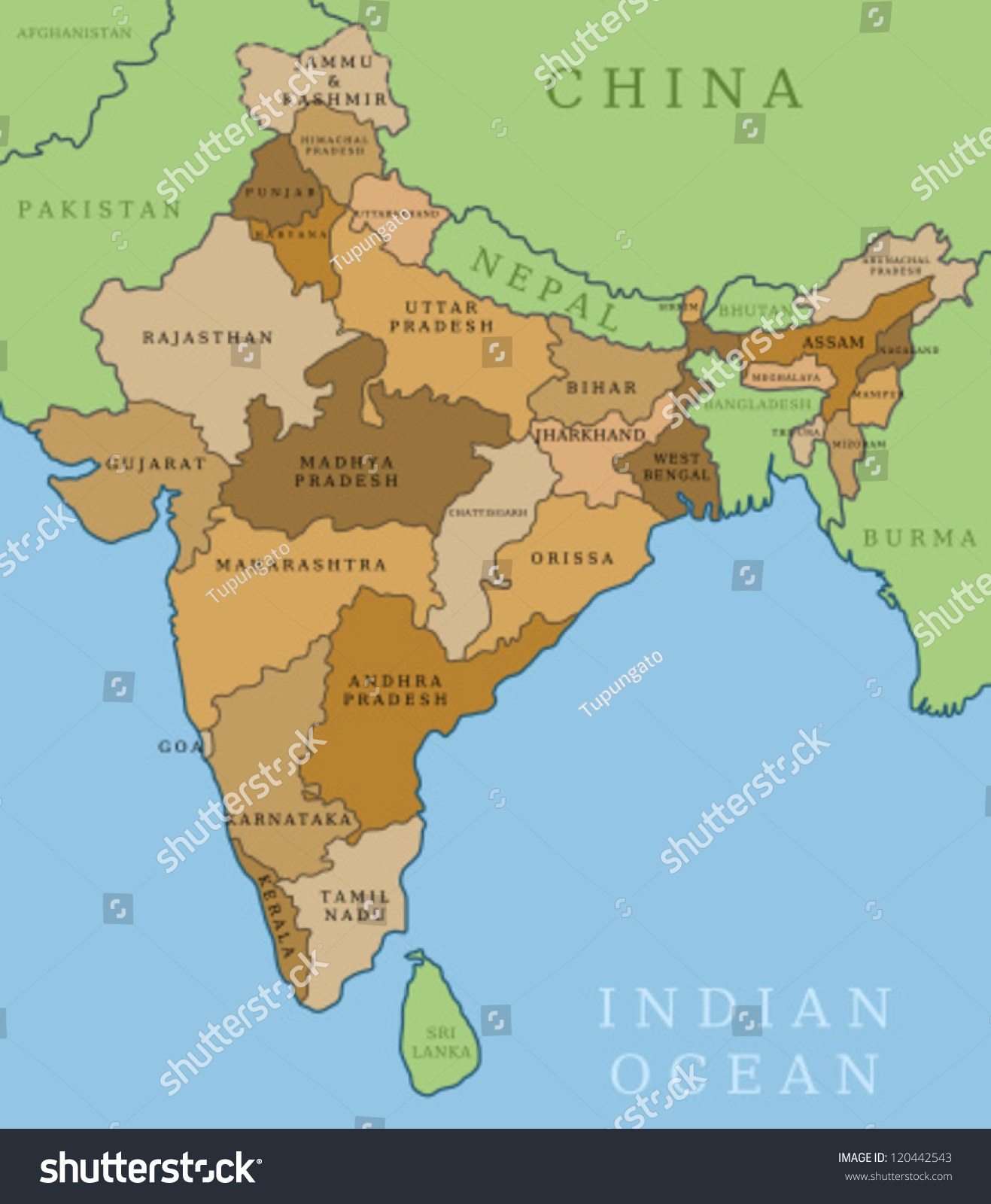
India, a land of diverse cultures and rich history, shares its borders with several countries, each offering unique landscapes, traditions, and economic opportunities. Understanding the dynamics of India and bordering countries is crucial for appreciating the geopolitical significance of the region. This blog post delves into the geographical, cultural, and economic aspects of India's neighboring nations, providing a comprehensive overview of their relationships and interactions.
Geographical Overview of India and Bordering Countries
India is strategically located in South Asia, bordered by seven countries: Pakistan to the west, China, Nepal, and Bhutan to the north, and Bangladesh and Myanmar to the east. The Indian Ocean lies to the south, providing access to maritime trade routes. This geographical positioning makes India a pivotal player in regional and global affairs.
Each of these bordering countries has its unique geographical features that influence their interactions with India. For instance, the Himalayan range in the north acts as a natural barrier, shaping the relationships with China, Nepal, and Bhutan. The vast plains and rivers in the east and west facilitate trade and cultural exchange with Pakistan, Bangladesh, and Myanmar.
Cultural Exchange and Diversity
India's cultural diversity is further enriched by its interactions with neighboring countries. The exchange of traditions, languages, and cuisines has created a vibrant tapestry of cultures. For example, the influence of Buddhist culture from Nepal and Bhutan can be seen in various parts of India, particularly in the northeastern states. Similarly, the shared history and cultural heritage with Pakistan have left indelible marks on both nations' arts, literature, and music.
Bangladesh, with its shared linguistic roots and historical ties, has a profound cultural impact on India, especially in the eastern states like West Bengal and Assam. The festivals, such as Durga Puja and Eid, are celebrated with equal fervor in both countries, highlighting the deep cultural bonds.
Myanmar, with its rich Buddhist heritage, shares a unique cultural connection with India, particularly in the northeastern states. The influence of Burmese architecture and art can be seen in various historical sites in India.
Economic Interactions and Trade
The economic landscape of India and bordering countries is intertwined, with trade and investment playing crucial roles. India's trade relations with its neighbors are diverse and multifaceted, ranging from agricultural products to high-tech industries. The following table provides a snapshot of the key economic interactions:
| Country | Major Exports to India | Major Imports from India |
|---|---|---|
| Pakistan | Cotton, textiles, fruits | Chemicals, machinery, pharmaceuticals |
| China | Electronics, machinery, textiles | Iron ore, organic chemicals, cotton |
| Nepal | Agricultural products, handicrafts | Petroleum products, machinery, vehicles |
| Bhutan | Hydropower, agricultural products | Food grains, machinery, vehicles |
| Bangladesh | Garments, leather products | Cotton, machinery, chemicals |
| Myanmar | Agricultural products, timber | Machinery, pharmaceuticals, textiles |
India's trade with China is particularly significant, given China's status as the world's second-largest economy. The bilateral trade between the two countries has grown exponentially, driven by China's demand for raw materials and India's need for manufactured goods. However, the trade imbalance, with China exporting more to India than importing, remains a contentious issue.
With Pakistan, the economic relationship is complex due to political tensions. Despite this, there is potential for increased trade, particularly in sectors like textiles, agriculture, and pharmaceuticals. The recent efforts to reopen trade routes and improve connectivity could pave the way for enhanced economic cooperation.
Nepal and Bhutan, both landlocked countries, rely heavily on India for trade and transit. India's support in infrastructure development and hydropower projects has strengthened these relationships. The economic ties with Bangladesh are robust, with both countries benefiting from the exchange of goods and services. The recent initiatives to improve connectivity and trade facilitation are expected to further boost economic interactions.
Myanmar, with its strategic location and rich natural resources, offers significant opportunities for India. The trade in agricultural products, timber, and textiles is growing, and there is potential for increased investment in sectors like energy and infrastructure.
📝 Note: The economic interactions between India and its bordering countries are dynamic and subject to change based on political, economic, and social factors. Regular updates and analysis are essential to understand the evolving landscape.
Political and Security Dynamics
The political and security dynamics between India and bordering countries are complex and multifaceted. The shared borders often witness tensions and conflicts, but there are also efforts to maintain peace and stability. The political relationships are influenced by historical events, territorial disputes, and strategic interests.
India's relationship with Pakistan is marked by long-standing territorial disputes, particularly over Kashmir. The political tensions often escalate into military confrontations, affecting regional stability. However, there are also efforts to engage in dialogue and diplomacy to resolve these issues peacefully.
With China, the political relationship is characterized by both cooperation and competition. The border disputes, particularly in the Arunachal Pradesh and Ladakh regions, have led to military standoffs. However, both countries recognize the importance of maintaining stable relations and have engaged in diplomatic efforts to manage these disputes.
Nepal and Bhutan share close political ties with India, with a focus on regional cooperation and security. India's support for infrastructure development and economic growth in these countries has strengthened these relationships. However, there are occasional tensions related to border issues and political dynamics within these countries.
Bangladesh and India have made significant strides in improving their political and security relations. The resolution of long-standing border disputes and the signing of various agreements on trade, connectivity, and security have enhanced cooperation. However, issues related to illegal immigration and cross-border terrorism remain challenges.
Myanmar's political situation has been volatile, with military coups and ethnic conflicts affecting regional stability. India has maintained a balanced approach, engaging with both the military and civilian governments to promote peace and stability. The security cooperation, particularly in countering insurgency and terrorism, is a key aspect of the relationship.
In conclusion, the interactions between India and its bordering countries are multifaceted, encompassing geographical, cultural, economic, and political dimensions. The shared borders and historical ties have shaped these relationships, creating a complex web of interactions. Understanding these dynamics is crucial for appreciating the geopolitical significance of the region and the potential for future cooperation and development. The ongoing efforts to enhance connectivity, trade, and security will play a pivotal role in shaping the future of India and bordering countries.
Related Terms:
- countries bordering india map
- five countries that border india
- countries sharing boundary with india
- which countries share india borders
- neighboring countries of india list
- which country shares india borders