The hydrologic cycle is a continuous process by which water circulates through the Earth's atmosphere, surface, and subsurface. This cycle is crucial for maintaining life on Earth, as it ensures the distribution of water resources. One of the key components of this cycle is hydrologic cycle runoff, which plays a significant role in shaping landscapes and supporting ecosystems. Understanding the hydrologic cycle and its runoff component is essential for water management, environmental conservation, and climate studies.
Understanding the Hydrologic Cycle
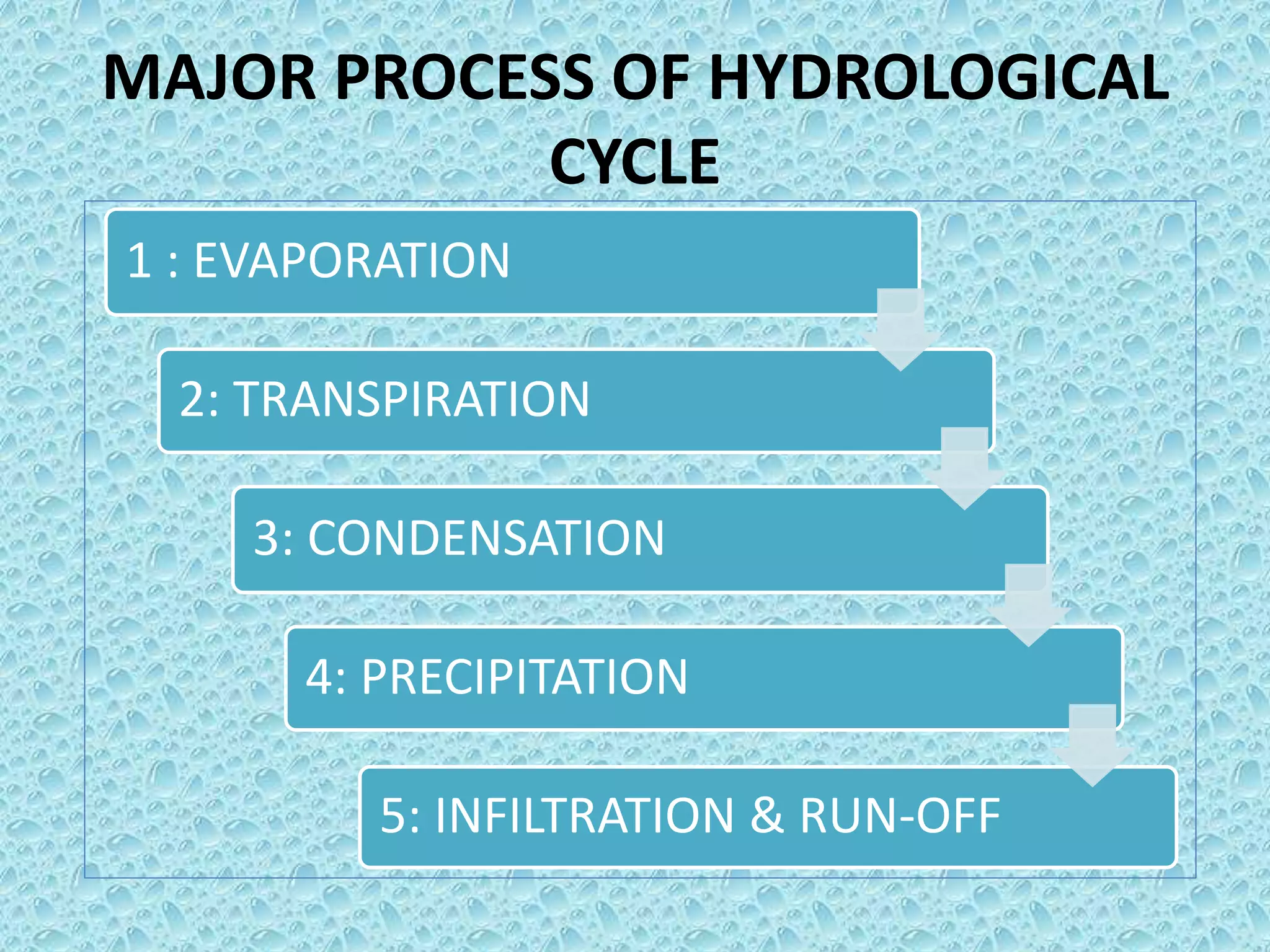
The hydrologic cycle consists of several interconnected processes that move water through various stages. These processes include:
- Evaporation: The transformation of water from liquid to vapor, primarily driven by solar energy.
- Transpiration: The release of water vapor from plants into the atmosphere.
- Condensation: The cooling and transformation of water vapor into liquid droplets, forming clouds.
- Precipitation: The fall of water from the atmosphere to the Earth’s surface in the form of rain, snow, sleet, or hail.
- Infiltration: The process by which water on the ground surface enters the soil.
- Runoff: The movement of water over the land surface, eventually reaching rivers, lakes, and oceans.
- Groundwater Flow: The movement of water through the subsurface, replenishing aquifers and eventually returning to the surface or oceans.
The Role of Hydrologic Cycle Runoff
Hydrologic cycle runoff is the process by which water flows over the land surface and into bodies of water. This runoff is a critical component of the hydrologic cycle, as it directly impacts water availability, soil erosion, and ecosystem health. Runoff can be influenced by various factors, including:
- Topography: The shape and elevation of the land affect the direction and speed of runoff.
- Soil Type: Different soil types have varying infiltration rates, which affect how much water runs off the surface.
- Vegetation Cover: Plants can absorb and retain water, reducing runoff and promoting infiltration.
- Precipitation Intensity: Heavy rainfall can lead to increased runoff, while light rain may be absorbed by the soil.
- Land Use: Urbanization and deforestation can increase runoff by reducing the soil’s ability to absorb water.
Types of Runoff
Runoff can be categorized into several types based on its origin and characteristics:
- Surface Runoff: Water that flows over the land surface directly into rivers, lakes, and oceans.
- Subsurface Runoff: Water that infiltrates the soil and moves laterally through the subsurface before emerging as runoff.
- Baseflow: The portion of runoff that comes from groundwater discharge into streams and rivers.
- Interflow: Water that moves through the soil and emerges as runoff before reaching the groundwater table.
Factors Affecting Hydrologic Cycle Runoff
Several factors influence the amount and behavior of hydrologic cycle runoff. Understanding these factors is essential for predicting and managing water resources. Key factors include:
- Climate: Temperature and precipitation patterns significantly affect runoff. Warmer temperatures can increase evaporation, reducing runoff, while heavy rainfall can increase runoff.
- Soil Moisture: The amount of water already present in the soil affects how much additional water can be absorbed, influencing runoff.
- Land Cover: Vegetation and land use practices can either promote or inhibit runoff. Forested areas tend to have lower runoff due to higher infiltration rates, while urban areas often have higher runoff due to impervious surfaces.
- Topography: The slope and shape of the land affect the speed and direction of runoff. Steeper slopes generally result in faster and more direct runoff.
- Human Activities: Urbanization, agriculture, and deforestation can alter natural runoff patterns, leading to increased flooding or water scarcity.
Measuring and Modeling Hydrologic Cycle Runoff
Accurate measurement and modeling of hydrologic cycle runoff are crucial for water management and environmental planning. Various techniques and tools are used to measure and predict runoff:
- Rain Gauges: Devices that measure the amount of precipitation falling in a specific area.
- Stream Gauges: Instruments that measure the flow rate of water in rivers and streams.
- Soil Moisture Sensors: Tools that measure the water content in the soil, helping to predict infiltration and runoff.
- Remote Sensing: Satellite and aerial imagery can provide data on land cover, topography, and precipitation, aiding in runoff modeling.
- Hydrologic Models: Computer simulations that use mathematical equations to predict runoff based on various input parameters.
📝 Note: Hydrologic models can vary in complexity, from simple empirical models to sophisticated physically-based models. The choice of model depends on the specific application and the availability of data.
Impact of Hydrologic Cycle Runoff on Ecosystems
Hydrologic cycle runoff plays a vital role in maintaining the health of ecosystems. It influences:
- Water Availability: Runoff is a primary source of water for rivers, lakes, and wetlands, supporting aquatic life and terrestrial ecosystems.
- Soil Erosion: Excessive runoff can lead to soil erosion, which can degrade soil quality and reduce agricultural productivity.
- Nutrient Transport: Runoff can carry nutrients from the land into water bodies, affecting water quality and ecosystem productivity.
- Flooding and Droughts: Extreme runoff events can cause flooding, while prolonged periods of low runoff can lead to droughts, both of which have significant impacts on ecosystems.
Managing Hydrologic Cycle Runoff
Effective management of hydrologic cycle runoff is essential for sustainable water use and environmental conservation. Strategies for managing runoff include:
- Land Use Planning: Implementing zoning regulations and land use practices that minimize runoff and promote infiltration.
- Watershed Management: Protecting and restoring natural landscapes to enhance water retention and reduce runoff.
- Green Infrastructure: Using natural and engineered systems, such as rain gardens and green roofs, to manage runoff and improve water quality.
- Flood Control: Constructing dams, levees, and other structures to control runoff and prevent flooding.
- Water Harvesting: Collecting and storing runoff for later use, such as in rainwater harvesting systems.
📝 Note: Integrated water management approaches that consider the entire hydrologic cycle are often the most effective in managing runoff and ensuring sustainable water use.
Case Studies of Hydrologic Cycle Runoff Management
Several case studies illustrate successful management of hydrologic cycle runoff in different regions:
- Urban Runoff Management: Cities like Portland, Oregon, have implemented green infrastructure projects, such as green streets and bioswales, to manage runoff and improve water quality.
- Agricultural Runoff Control: In the Midwest United States, conservation practices like cover cropping and buffer strips have been used to reduce agricultural runoff and protect water quality.
- Watershed Restoration: In the Chesapeake Bay watershed, efforts to restore wetlands and reforest areas have significantly reduced runoff and improved water quality.
Future Challenges and Opportunities
As climate change and urbanization continue to impact the hydrologic cycle, new challenges and opportunities arise for managing hydrologic cycle runoff. Key considerations include:
- Climate Change Adaptation: Developing strategies to adapt to changing precipitation patterns and increased frequency of extreme weather events.
- Technological Innovations: Leveraging advancements in remote sensing, data analytics, and modeling to improve runoff prediction and management.
- Community Engagement: Involving local communities in water management decisions to ensure sustainable and equitable use of water resources.
- Policy and Regulation: Implementing policies that promote sustainable land use practices and protect water resources.
📝 Note: Collaboration between scientists, policymakers, and communities is essential for addressing the complex challenges posed by changing hydrologic cycles and runoff patterns.
Understanding and managing hydrologic cycle runoff is crucial for ensuring the sustainability of water resources and the health of ecosystems. By recognizing the factors that influence runoff and implementing effective management strategies, we can mitigate the impacts of climate change and urbanization, and promote the responsible use of water. The hydrologic cycle is a dynamic and interconnected system, and our ability to manage it will determine the future of our water resources and the environments that depend on them. As we continue to study and adapt to the hydrologic cycle, we must prioritize sustainable practices and collaborative efforts to protect and preserve our planet’s most precious resource: water.
Related Terms:
- what is a runoff water
- how does runoff happen
- what is runoff water cycle
- what is collection runoff
- how is runoff created
- what is a runoff definition