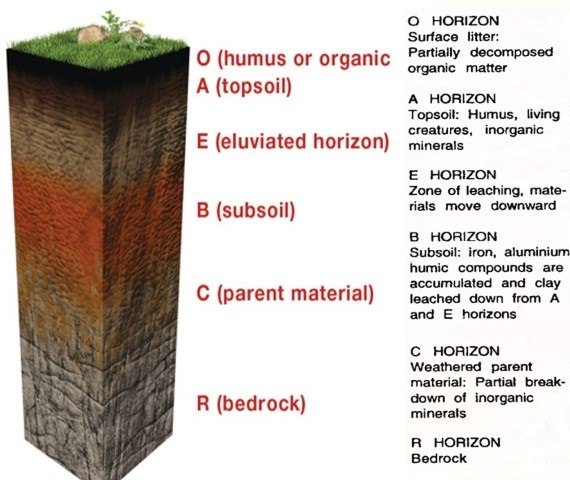
Understanding the intricate relationship between humus and soil is crucial for anyone involved in gardening, agriculture, or environmental conservation. Humus, the organic component of soil, plays a pivotal role in soil health, fertility, and overall ecosystem functioning. This post delves into the composition, benefits, and management of humus and soil, providing a comprehensive guide for enthusiasts and professionals alike.
What is Humus?
Humus is the dark, organic material that forms in soil when plant and animal matter decays. It is a stable, complex mixture of organic compounds that result from the decomposition of organic matter by microorganisms. Unlike fresh organic matter, humus is resistant to further decomposition and can persist in the soil for centuries.
Composition of Humus
Humus is composed of various organic compounds, including:
- Humic acids: These are the most abundant and complex components of humus, contributing to soil structure and nutrient retention.
- Fulvic acids: These are smaller, more soluble compounds that enhance nutrient availability and plant growth.
- Humin: This is the insoluble fraction of humus, which contributes to soil stability and water retention.
Benefits of Humus in Soil
Humus offers numerous benefits to soil and plant health. Some of the key advantages include:
- Improved Soil Structure: Humus enhances soil aggregation, creating a porous structure that allows for better aeration and water infiltration.
- Nutrient Retention: Humus acts as a reservoir for essential nutrients, releasing them slowly over time to support plant growth.
- Water Retention: Humus-rich soils can hold more water, reducing the need for frequent irrigation and improving drought resistance.
- pH Buffering: Humus helps stabilize soil pH, making it less susceptible to rapid changes that can harm plants.
- Microbial Activity: Humus provides a food source for beneficial soil microorganisms, promoting a healthy soil ecosystem.
Types of Humus
Humus can be classified into different types based on its origin and composition. The main types include:
- Mull Humus: This type forms in forests and is characterized by a thick layer of decomposed organic matter. It is rich in nutrients and supports diverse plant life.
- Mor Humus: Found in coniferous forests, mor humus is acidic and has a slower decomposition rate. It is less nutrient-rich compared to mull humus.
- Moder Humus: This type is intermediate between mull and mor humus, found in mixed forests. It has a moderate decomposition rate and nutrient content.
Building Humus in Soil
Building humus in soil involves several key practices that promote the accumulation of organic matter and its conversion into humus. Some effective methods include:
- Composting: Adding compost to soil increases organic matter content and promotes humus formation. Composting involves the decomposition of organic waste in a controlled environment.
- Mulching: Applying a layer of organic mulch, such as straw, wood chips, or leaves, helps retain moisture, suppress weeds, and gradually adds organic matter to the soil.
- Cover Cropping: Planting cover crops, such as clover or rye, during the off-season helps prevent soil erosion, improves soil structure, and adds organic matter when the crops are tilled into the soil.
- Reduced Tillage: Minimizing soil disturbance through reduced tillage practices helps preserve existing humus and promotes the accumulation of new organic matter.
Managing Humus and Soil
Effective management of humus and soil involves a holistic approach that considers various factors, including soil type, climate, and land use. Some key management practices include:
- Soil Testing: Regular soil testing helps monitor humus levels, nutrient content, and pH, allowing for targeted amendments and management strategies.
- Organic Amendments: Adding organic amendments, such as compost, manure, or biochar, enhances humus content and improves soil fertility.
- Crop Rotation: Rotating crops helps maintain soil health by preventing nutrient depletion and promoting diverse microbial activity.
- Integrated Pest Management: Using integrated pest management (IPM) practices reduces the need for chemical pesticides, which can harm beneficial soil microorganisms and humus.
Challenges in Humus Management
Despite its benefits, managing humus and soil presents several challenges. Some of the key issues include:
- Soil Erosion: Erosion can deplete humus and organic matter, reducing soil fertility and structure. Implementing erosion control measures, such as terracing and contour planting, is essential.
- Climate Change: Changing climate patterns can affect soil moisture, temperature, and microbial activity, impacting humus formation and decomposition.
- Chemical Contamination: Pesticides, herbicides, and fertilizers can harm beneficial soil microorganisms and reduce humus content. Adopting organic and sustainable practices can mitigate these effects.
🌱 Note: Regular monitoring and adaptation of management practices are crucial for maintaining healthy humus and soil levels.
Case Studies: Successful Humus Management
Several successful case studies highlight the benefits of effective humus management. For example, in organic farming systems, the use of compost and cover crops has significantly improved soil health and crop yields. Similarly, in reforestation projects, the application of mulch and organic amendments has enhanced soil structure and nutrient retention, promoting the growth of young trees.
Future Directions in Humus Research
Ongoing research is essential for advancing our understanding of humus and soil dynamics. Some key areas of focus include:
- Microbial Ecology: Studying the role of soil microorganisms in humus formation and decomposition can provide insights into improving soil health.
- Climate Resilience: Investigating the impact of climate change on humus and soil can help develop strategies for enhancing soil resilience and sustainability.
- Technological Innovations: Developing new technologies, such as biochar production and precision agriculture, can enhance humus management and soil fertility.
In conclusion, humus plays a critical role in soil health and ecosystem functioning. By understanding its composition, benefits, and management practices, we can enhance soil fertility, improve crop yields, and promote sustainable agriculture. Effective humus management involves a combination of organic amendments, reduced tillage, and integrated pest management, along with regular monitoring and adaptation to changing conditions. As research continues to advance, we can expect further innovations in humus management, contributing to a healthier and more resilient environment.
Related Terms:
- how to pronounce humus soil
- humus soil definition
- humus soil benefits
- humus soil where to buy
- hummus plant
- humus soil for plants