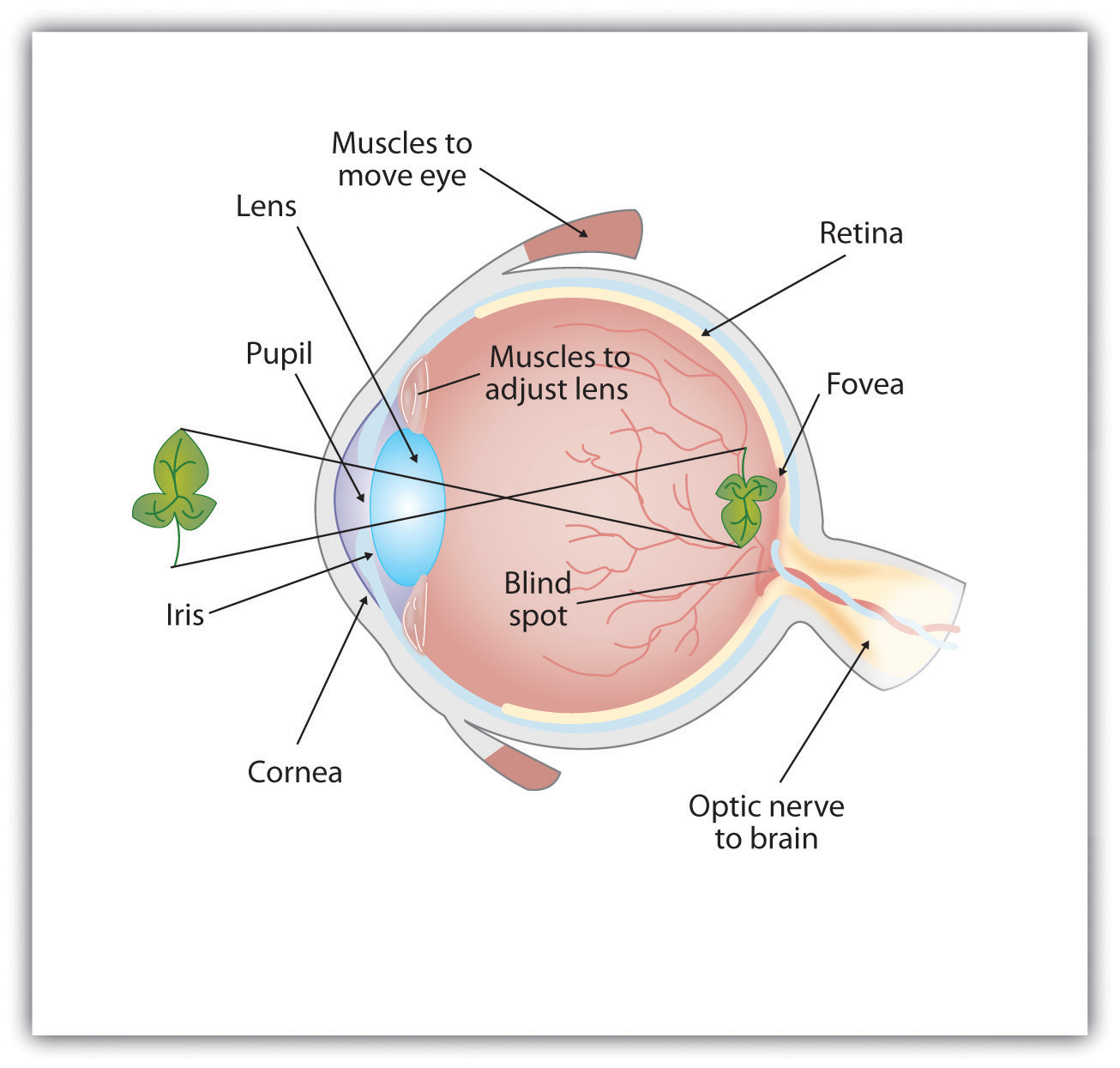
Understanding how the human eye works is a fascinating journey into the intricate mechanisms of the human body. The eye is a complex organ that enables us to perceive the world around us through the process of vision. This process involves the coordination of various structures and functions within the eye, each playing a crucial role in converting light into electrical signals that the brain can interpret. By delving into the anatomy and physiology of the eye, we can gain a deeper appreciation for the remarkable process of sight.
Anatomy of the Eye
The human eye is composed of several key structures, each with a specific function in the process of vision. These structures include the cornea, iris, pupil, lens, retina, and optic nerve. Understanding the role of each component is essential for comprehending how the eye works.
The Cornea
The cornea is the transparent, dome-shaped surface that covers the front of the eye. It serves as the eye's outermost layer and plays a crucial role in focusing light onto the retina. The cornea is responsible for about two-thirds of the eye's total focusing power. Its smooth and clear surface allows light to enter the eye and bend towards the lens, initiating the process of vision.
The Iris and Pupil
The iris is the colored part of the eye that surrounds the pupil. It controls the amount of light that enters the eye by adjusting the size of the pupil. The pupil is the black, circular opening in the center of the iris. In bright light, the iris constricts the pupil to limit the amount of light entering the eye, while in dim light, it dilates the pupil to allow more light in. This dynamic adjustment helps maintain optimal vision in varying lighting conditions.
The Lens
The lens is a flexible, transparent structure located behind the iris and pupil. It works in conjunction with the cornea to focus light onto the retina. The lens can change shape to accommodate different distances, a process known as accommodation. This flexibility allows the eye to focus on both near and far objects, enabling clear vision at various distances.
The Retina
The retina is a thin, light-sensitive layer of tissue that lines the back of the eye. It contains specialized cells called photoreceptors, which convert light into electrical signals. There are two types of photoreceptors: rods and cones. Rods are responsible for low-light vision and peripheral vision, while cones are responsible for color vision and detailed central vision. The electrical signals generated by the photoreceptors are transmitted to the brain via the optic nerve.
The Optic Nerve
The optic nerve is a bundle of nerve fibers that carries visual information from the retina to the brain. It exits the eye at the optic disc, a region known as the blind spot because it lacks photoreceptors. The optic nerve transmits the electrical signals generated by the retina to the visual cortex in the brain, where they are processed and interpreted as images.
How The Eye Works: The Process of Vision
Vision is a complex process that involves the coordination of various structures and functions within the eye. The process begins when light enters the eye through the cornea and is focused onto the retina by the lens. The retina then converts the light into electrical signals, which are transmitted to the brain via the optic nerve. The brain interprets these signals as images, allowing us to perceive the world around us.
Light Entry and Focusing
The process of vision begins when light enters the eye through the cornea. The cornea bends the light rays towards the lens, which further focuses them onto the retina. The lens adjusts its shape to accommodate different distances, ensuring that the light is focused precisely on the retina. This dynamic focusing allows the eye to maintain clear vision at various distances.
Photoreception and Signal Conversion
Once the light reaches the retina, it is absorbed by the photoreceptors, which convert the light into electrical signals. Rods are responsible for low-light vision and peripheral vision, while cones are responsible for color vision and detailed central vision. The electrical signals generated by the photoreceptors are then transmitted to the ganglion cells, which relay the information to the optic nerve.
Signal Transmission to the Brain
The optic nerve carries the electrical signals from the retina to the brain. The signals travel through the optic nerve fibers and converge at the optic chiasm, where they cross over to the opposite side of the brain. From there, the signals are transmitted to the visual cortex in the occipital lobe, where they are processed and interpreted as images. The brain integrates this visual information with other sensory inputs to create a coherent perception of the environment.
Common Eye Conditions and Their Impact on Vision
Several common eye conditions can affect the process of vision by altering the structure or function of the eye. Understanding these conditions and their impact on vision is essential for maintaining eye health and seeking appropriate treatment.
Myopia (Nearsightedness)
Myopia, or nearsightedness, is a condition in which the eye focuses light in front of the retina rather than directly on it. This results in blurred vision for distant objects, while near objects remain clear. Myopia is often caused by an elongated eyeball or a cornea that is too curved. It can be corrected with eyeglasses, contact lenses, or refractive surgery.
Hyperopia (Farsightedness)
Hyperopia, or farsightedness, is a condition in which the eye focuses light behind the retina rather than directly on it. This results in blurred vision for near objects, while distant objects remain clear. Hyperopia is often caused by a shortened eyeball or a cornea that is too flat. It can be corrected with eyeglasses, contact lenses, or refractive surgery.
Astigmatism
Astigmatism is a condition in which the cornea or lens is irregularly shaped, causing light to focus at multiple points on the retina rather than a single point. This results in blurred or distorted vision at all distances. Astigmatism can be corrected with eyeglasses, contact lenses, or refractive surgery.
Cataracts
Cataracts are a clouding of the lens that can occur with age or as a result of injury or disease. They cause blurred vision, glare, and difficulty seeing in low light. Cataracts can be treated with surgery, during which the cloudy lens is removed and replaced with an artificial lens.
Glaucoma
Glaucoma is a group of eye conditions that damage the optic nerve, often due to increased pressure within the eye. It can lead to progressive vision loss and blindness if left untreated. Glaucoma can be managed with medications, laser treatment, or surgery to reduce intraocular pressure and preserve vision.
Maintaining Eye Health
Maintaining good eye health is essential for preserving vision and preventing eye diseases. Several practices can help ensure the health of your eyes and optimize their function.
Regular Eye Exams
Regular eye exams are crucial for detecting eye conditions early and preventing vision loss. It is recommended to have a comprehensive eye exam every one to two years, depending on your age and risk factors. During an eye exam, an optometrist or ophthalmologist will assess your vision, check for eye diseases, and provide recommendations for maintaining eye health.
Protective Eyewear
Wearing protective eyewear can help prevent eye injuries and protect your eyes from harmful UV rays. Sunglasses with UV protection can reduce the risk of cataracts and other eye conditions, while safety glasses can protect your eyes from debris and chemicals during activities such as sports, DIY projects, or work in hazardous environments.
Healthy Lifestyle Choices
Adopting a healthy lifestyle can significantly impact your eye health. Eating a balanced diet rich in fruits, vegetables, and omega-3 fatty acids can provide essential nutrients for eye health. Regular exercise can improve blood circulation and reduce the risk of eye diseases. Avoiding smoking and limiting alcohol consumption can also help maintain eye health.
Ergonomic Work Practices
Practicing good ergonomics while working on computers or other digital devices can help reduce eye strain and fatigue. The 20-20-20 rule is a simple guideline to follow: every 20 minutes, look at something 20 feet away for at least 20 seconds. This helps relax the eye muscles and reduce the risk of digital eye strain. Additionally, adjusting the brightness and contrast of your screen and maintaining a comfortable viewing distance can help minimize eye discomfort.
🔍 Note: If you experience persistent eye discomfort or vision changes, consult an eye care professional for a thorough evaluation and appropriate treatment.
Understanding how the eye works is a fascinating journey into the intricate mechanisms of the human body. The eye is a complex organ that enables us to perceive the world around us through the process of vision. This process involves the coordination of various structures and functions within the eye, each playing a crucial role in converting light into electrical signals that the brain can interpret. By delving into the anatomy and physiology of the eye, we can gain a deeper appreciation for the remarkable process of sight. Regular eye exams, protective eyewear, healthy lifestyle choices, and ergonomic work practices are essential for maintaining eye health and preserving vision. By taking proactive steps to care for our eyes, we can ensure that they continue to function optimally and provide us with clear and vibrant vision throughout our lives.
Related Terms:
- how human eye works
- how the eye works diagram
- how the eye works simple
- parts of the eye
- how the eye works video