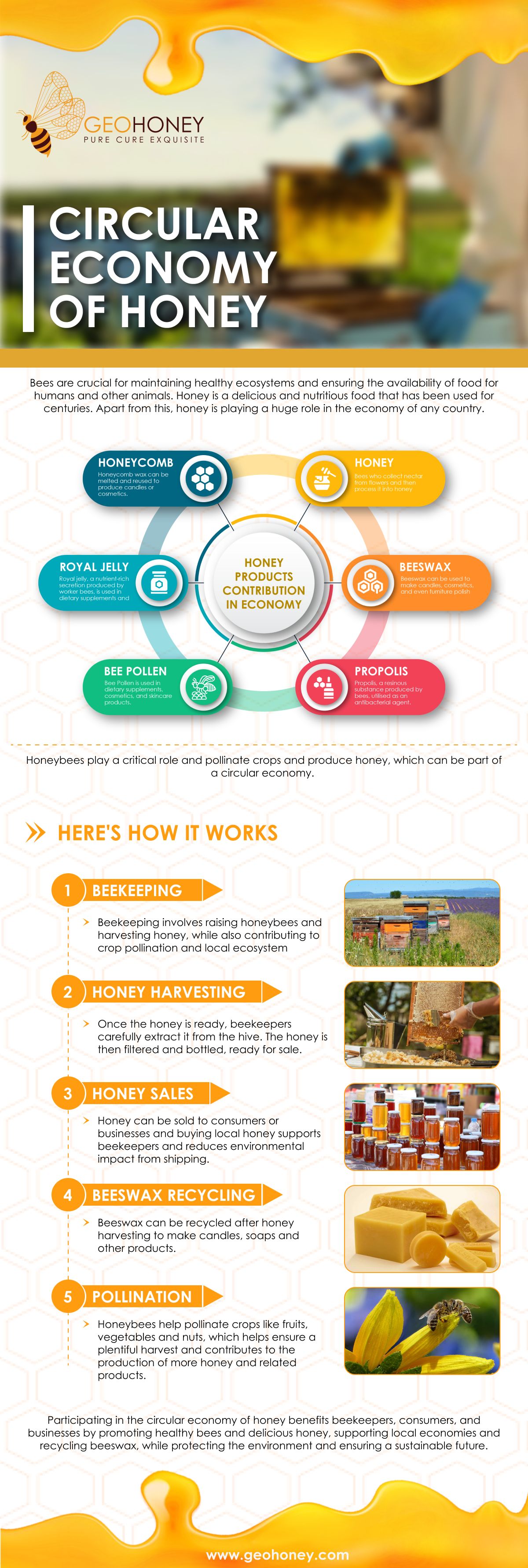
Honey, a natural sweetener beloved for its unique flavor and health benefits, has been a staple in human diets for thousands of years. But have you ever wondered how is honey produced? The process is a fascinating blend of nature's ingenuity and the industrious efforts of bees. This blog post will delve into the intricate world of honey production, from the role of bees to the harvesting process, and everything in between.
Understanding the Role of Bees in Honey Production
Bees are the unsung heroes of honey production. These tiny insects play a crucial role in pollinating plants and, in the process, create one of nature's most delicious treats. The process begins with the foraging bees, who collect nectar from flowers. Nectar is a sugary liquid produced by plants to attract pollinators. Bees use their long, tube-shaped tongues to suck up the nectar, storing it in a special stomach called the honey stomach.
Once the nectar is collected, the bees return to the hive. Here, they pass the nectar to house bees, who then begin the process of transforming it into honey. This transformation involves several steps:
- Regurgitation: The house bees regurgitate the nectar and mix it with enzymes from their saliva.
- Evaporation: The mixture is then deposited into honeycomb cells, where it is fanned by the bees' wings to evaporate excess water.
- Capping: Once the moisture content is reduced to about 18%, the bees cap the cells with wax to seal the honey inside.
This entire process is a marvel of nature, showcasing the intricate social structure and division of labor within a bee colony.
The Science Behind Honey Production
How is honey produced scientifically? The transformation of nectar into honey involves complex biochemical processes. Nectar is primarily composed of water, sugars (glucose and fructose), and small amounts of proteins, amino acids, and minerals. When bees collect nectar, they add enzymes such as invertase and glucose oxidase, which break down complex sugars into simpler ones and create hydrogen peroxide, a natural preservative.
The evaporation process further concentrates the sugars, making honey a stable and long-lasting food source. The final product is a thick, viscous liquid with a unique flavor and aroma, depending on the type of flowers the bees visited.
Types of Honey and Their Characteristics
Honey comes in a variety of types, each with its own unique characteristics. The type of honey produced depends on the flowers from which the bees collect nectar. Some of the most common types include:
| Type of Honey | Characteristics |
|---|---|
| Clover Honey | Light in color, mild flavor, and commonly used in baking. |
| Buckwheat Honey | Dark in color, strong flavor, and high in antioxidants. |
| Acacia Honey | Very light in color, delicate flavor, and slow to crystallize. |
| Manuka Honey | Dark amber in color, strong flavor, and known for its antibacterial properties. |
| Wildflower Honey | Varies in color and flavor depending on the flowers available. |
Each type of honey offers a unique taste experience and can be used in various culinary applications, from sweetening tea to glazing meats.
Harvesting Honey: From Hive to Jar
Harvesting honey is a delicate process that requires careful handling to ensure the health of the bees and the quality of the honey. Here are the steps involved in harvesting honey:
- Preparation: Beekeepers prepare the hive by removing any excess frames and ensuring the bees have enough food and space.
- Smoking: A smoker is used to calm the bees, making it easier to access the honeycombs without disturbing the colony.
- Extraction: The frames containing capped honey are carefully removed from the hive and taken to a separate area for extraction. The bees are left with enough honey to survive the winter.
- Uncapping: The wax caps are removed from the honeycombs using an uncapping fork or a heated knife.
- Spinning: The frames are placed in a centrifugal extractor, which spins them to extract the honey through centrifugal force.
- Filtering: The extracted honey is filtered to remove any wax or debris, resulting in a smooth, clear liquid.
- Bottling: The filtered honey is then bottled and labeled, ready for consumption.
Throughout this process, beekeepers must ensure that the bees are not harmed and that the hive remains healthy. Proper harvesting techniques are essential for maintaining the sustainability of bee populations.
🐝 Note: It is important to leave enough honey in the hive for the bees to survive the winter. Typically, beekeepers leave about 60-80 pounds of honey per colony.
Health Benefits of Honey
Honey is not only a delicious natural sweetener but also offers numerous health benefits. Some of the key benefits include:
- Antibacterial Properties: Honey, particularly Manuka honey, has natural antibacterial properties that can help fight infections.
- Antioxidant Rich: Honey contains antioxidants that can help protect the body from damage by harmful molecules called free radicals.
- Soothing for Sore Throats: Honey's soothing properties make it a popular remedy for sore throats and coughs.
- Wound Healing: Honey has been used for centuries to promote wound healing due to its antimicrobial and anti-inflammatory properties.
- Natural Energy Booster: The natural sugars in honey provide a quick energy boost, making it a popular choice for athletes and fitness enthusiasts.
Incorporating honey into your diet can be a simple and delicious way to reap these health benefits.
Culinary Uses of Honey
Honey's versatility in the kitchen makes it a favorite ingredient for many chefs and home cooks alike. Here are some popular culinary uses of honey:
- Baking: Honey can be used as a natural sweetener in baked goods, adding moisture and a rich flavor.
- Glazes and Marinades: Honey's sweetness and caramelization properties make it an excellent ingredient for glazes and marinades.
- Beverages: Honey can be added to tea, coffee, and smoothies for a natural sweetener.
- Salad Dressings: Honey can be used in salad dressings to balance out acidic ingredients like vinegar and lemon juice.
- Condiments: Honey is a key ingredient in many condiments, such as barbecue sauce and mustard.
Experimenting with honey in your cooking can lead to delicious and unique flavor combinations.

Sustainable Beekeeping Practices
Sustainable beekeeping is essential for maintaining healthy bee populations and ensuring a steady supply of honey. Some key practices include:
- Proper Hive Management: Regularly inspecting hives for signs of disease or pests and providing adequate space for the colony to grow.
- Natural Pest Control: Using natural methods to control pests, such as introducing beneficial insects or using organic treatments.
- Planting Bee-Friendly Flowers: Planting a variety of flowers that bloom at different times of the year to provide a consistent food source for bees.
- Education and Awareness: Educating the public about the importance of bees and the threats they face, such as habitat loss and pesticide use.
By adopting these practices, beekeepers can help ensure the long-term health and sustainability of bee populations.
🌱 Note: Planting native flowers and avoiding the use of pesticides can significantly improve the health of local bee populations.
Honey production is a fascinating process that involves the intricate work of bees and the careful management of beekeepers. From the collection of nectar to the final bottling of honey, each step is a testament to the wonders of nature and human ingenuity. Understanding how is honey produced not only deepens our appreciation for this natural sweetener but also highlights the importance of bees in our ecosystem. By supporting sustainable beekeeping practices, we can ensure that future generations continue to enjoy the benefits of honey while preserving the health of our environment.
Related Terms:
- how do beekeepers make honey
- how do people make honey
- stages of making honey
- how bees make honey facts
- how is honey made scientifically