Understanding the legal distinctions between homicide versus murder is crucial for anyone interested in criminal law or true crime. These terms are often used interchangeably in popular media, but they have distinct meanings in the legal system. This post will delve into the definitions, differences, and implications of homicide and murder, providing a comprehensive overview for both legal professionals and curious minds.
Understanding Homicide
Homicide is a broad legal term that encompasses all instances where one human being causes the death of another. It is important to note that homicide is not always a criminal act. There are several types of homicide, each with its own legal implications:
- Justifiable Homicide: This occurs when the killing is legally permitted, such as in self-defense or the defense of others. For example, if a person kills an intruder who is threatening their life, it may be considered justifiable homicide.
- Excusable Homicide: This refers to situations where the killing is not criminally culpable due to a lack of intent or negligence. An example is an accident where someone unintentionally causes a death while driving.
- Criminal Homicide: This is the most serious category and includes acts that are illegal and punishable by law. Murder and manslaughter fall under this category.
Defining Murder
Murder is a specific type of criminal homicide that involves the unlawful killing of another human being with malice aforethought. Malice aforethought can be expressed in several ways, including:
- Intent to Kill: The perpetrator deliberately intends to take the victim's life.
- Intent to Inflict Great Bodily Harm: The perpetrator intends to cause serious injury, knowing that it could result in death.
- Reckless Indifference to Human Life: The perpetrator acts with extreme disregard for human life, knowing that their actions are likely to cause death.
- Intent to Commit a Felony: The perpetrator commits a felony (such as robbery or rape) and, in the course of that felony, causes the death of another person.
Murder is further classified into different degrees based on the severity of the crime and the intent of the perpetrator. The most common classifications are:
- First-Degree Murder: This is the most serious form of murder, involving premeditation and deliberate planning. Examples include contract killings and carefully planned executions.
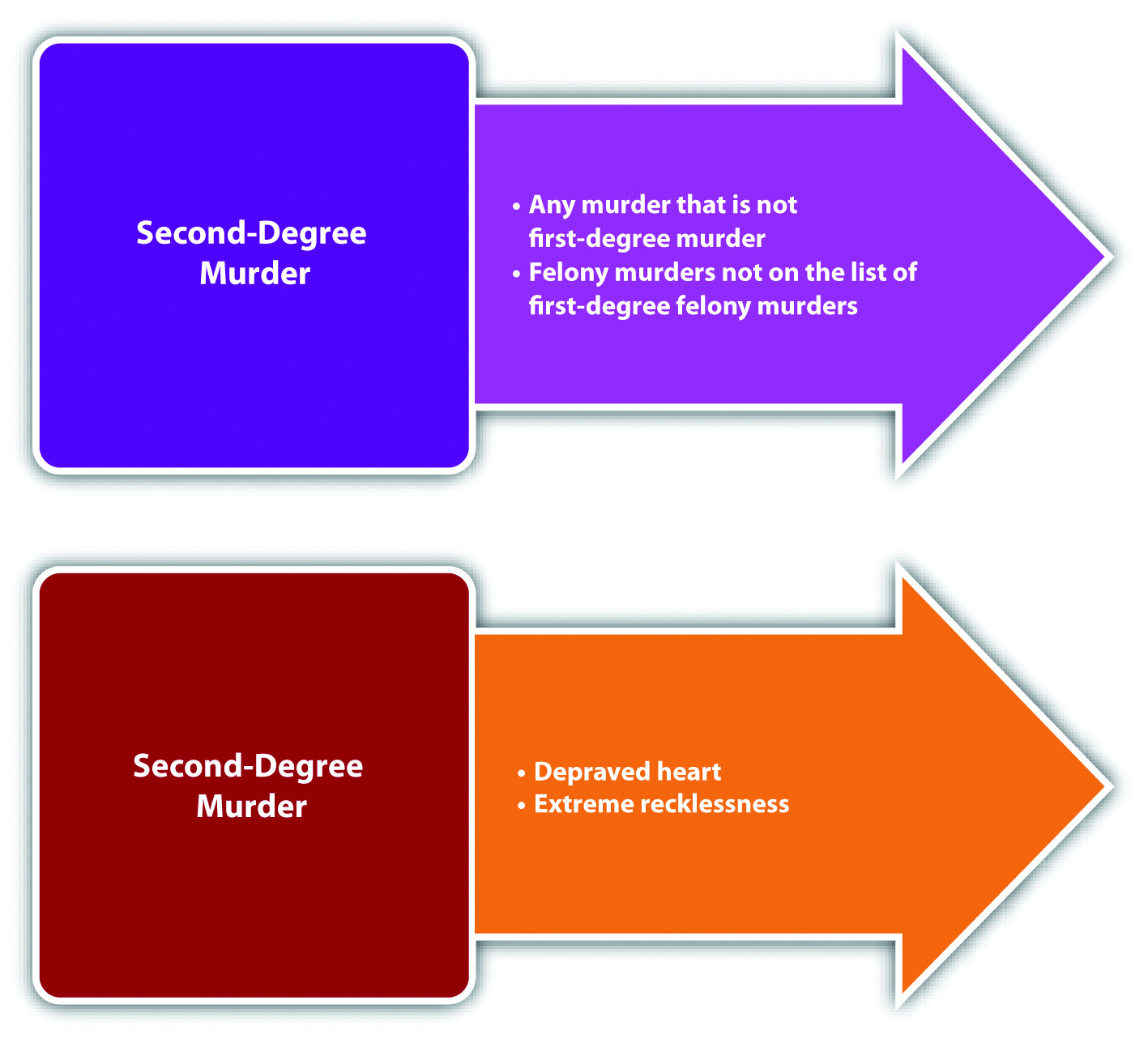
- Second-Degree Murder: This involves intentional killing without premeditation. It can also include killings that occur during the commission of a felony, such as a robbery gone wrong.
- Third-Degree Murder: This is a lesser charge that involves reckless or negligent behavior resulting in death. It is often used in cases where the intent to kill is not present.
Homicide Versus Murder: Key Differences
While all murders are homicides, not all homicides are murders. The key differences lie in the intent and legal classification of the act. Here is a breakdown of the distinctions:
| Aspect | Homicide | Murder |
|---|---|---|
| Definition | The act of one human being causing the death of another. | The unlawful killing of another human being with malice aforethought. |
| Intent | Can be intentional, accidental, or justified. | Always involves intent to kill, inflict great bodily harm, or reckless indifference to human life. |
| Legal Classification | Can be justifiable, excusable, or criminal. | Always criminal and punishable by law. |
| Degrees | Not classified into degrees. | Classified into first-degree, second-degree, and sometimes third-degree. |
Understanding these differences is essential for legal professionals, as the classification of a homicide as murder can significantly impact the severity of the punishment.
🔍 Note: The legal definitions and classifications of homicide and murder can vary slightly depending on the jurisdiction. It is always important to consult local laws and legal experts for specific cases.
Legal Implications and Punishments
The legal implications and punishments for homicide and murder vary widely based on the specific circumstances of the case. Here are some general guidelines:
- Justifiable Homicide: No criminal charges are typically filed, as the act is considered legally permissible.
- Excusable Homicide: No criminal charges are filed, but the incident may still be investigated to determine the circumstances.
- First-Degree Murder: This is the most severe charge and can result in life imprisonment or the death penalty, depending on the jurisdiction.
- Second-Degree Murder: This can result in a lengthy prison sentence, often ranging from 15 to 30 years or more.
- Third-Degree Murder: This typically results in a shorter prison sentence, often ranging from 5 to 15 years.
In addition to imprisonment, individuals convicted of murder may face other penalties, such as fines, restitution to the victim's family, and loss of certain civil rights.
Case Studies: Homicide Versus Murder
To illustrate the differences between homicide and murder, let's examine a few case studies:
Case Study 1: Justifiable Homicide
In a case where a homeowner shoots and kills an intruder who is attempting to break into their home, the homicide may be considered justifiable. The homeowner acted in self-defense, and the killing was legally permissible. No criminal charges are typically filed in such cases.
Case Study 2: Excusable Homicide
In a case where a driver accidentally hits and kills a pedestrian while driving under the influence of alcohol, the homicide may be considered excusable. The driver did not intend to cause harm, but their negligent behavior resulted in a death. The driver may face charges related to drunk driving but not murder.
Case Study 3: First-Degree Murder
In a case where a person plans and executes the killing of another individual for financial gain, the homicide is classified as first-degree murder. The perpetrator acted with premeditation and intent to kill, making it the most serious form of murder. The punishment can include life imprisonment or the death penalty.
Case Study 4: Second-Degree Murder
In a case where a person kills another individual during a heated argument without premeditation, the homicide is classified as second-degree murder. The perpetrator acted with intent to kill but did not plan the act in advance. The punishment can include a lengthy prison sentence.
The Role of Intent in Homicide Versus Murder
Intent plays a crucial role in distinguishing between homicide and murder. In cases of homicide, the intent can range from accidental to deliberate. In cases of murder, the intent is always present, whether it is the intent to kill, inflict great bodily harm, or act with reckless indifference to human life.
Understanding the role of intent is essential for legal professionals, as it can significantly impact the classification and punishment of the crime. For example, a person who accidentally causes the death of another individual may face lesser charges than someone who deliberately plans and executes a killing.
Intent can also be influenced by various factors, such as mental state, emotional state, and external circumstances. For example, a person who acts in self-defense may have a different intent than someone who acts out of anger or revenge.
In some cases, the intent may be inferred from the actions and circumstances of the crime. For example, if a person uses a weapon to kill another individual, the intent to kill may be presumed. However, if the person acts in self-defense, the intent may be considered justifiable.
Intent is a complex and nuanced aspect of criminal law, and its interpretation can vary depending on the jurisdiction and the specific circumstances of the case. It is always important to consult legal experts for specific cases.
🔍 Note: The interpretation of intent can be subjective and may require expert testimony, such as from psychologists or psychiatrists, to determine the mental state of the perpetrator at the time of the crime.
The Impact of Homicide and Murder on Society
The impact of homicide and murder on society is profound and far-reaching. These crimes not only affect the victims and their families but also have broader implications for public safety and the legal system. Here are some key points to consider:
- Victim Impact: The loss of a loved one due to homicide or murder can have devastating emotional, psychological, and financial consequences for the victim's family and friends.
- Public Safety: Homicide and murder can erode public trust in law enforcement and the legal system, leading to increased fear and anxiety among the population.
- Legal System: The prosecution and punishment of homicide and murder cases can be complex and resource-intensive, requiring significant time and effort from law enforcement, prosecutors, and the courts.
- Prevention and Education: Understanding the causes and consequences of homicide and murder can help in developing effective prevention strategies and educational programs to reduce these crimes.
Addressing the impact of homicide and murder requires a multifaceted approach that includes law enforcement, legal reforms, community engagement, and public education. By working together, society can strive to reduce the incidence of these crimes and support the victims and their families.
In conclusion, understanding the distinctions between homicide versus murder is essential for anyone interested in criminal law or true crime. These terms have specific legal meanings and implications, and their interpretation can significantly impact the classification and punishment of crimes. By examining the definitions, differences, and case studies, we can gain a deeper understanding of these complex and nuanced concepts. This knowledge can help in developing effective prevention strategies, supporting victims and their families, and promoting public safety and justice.
Related Terms:
- difference between homicide and manslaughter
- why is it called homicide
- is homicide a word
- murder vs homicide philippine law
- homicide meaning in law
- homicide vs murder meaning