Learning a new language can be an enriching experience, opening doors to new cultures, people, and opportunities. One of the first things you learn in any new language is how to greet people. In German, greetings are not only a way to start a conversation but also a reflection of the country's rich cultural heritage. Understanding Greetings In German is essential for anyone looking to communicate effectively in German-speaking regions.
Basic Greetings In German
German greetings are straightforward and vary depending on the time of day and the formality of the situation. Here are some of the most common greetings:
- Guten Morgen (Good morning): Used from early morning until around noon.
- Guten Tag (Good day): A versatile greeting that can be used throughout the day, similar to "hello."
- Guten Abend (Good evening): Used from late afternoon until bedtime.
- Gute Nacht (Good night): Used when saying goodbye at night or going to bed.
These greetings are essential for everyday interactions and are used widely in both formal and informal settings.
Formal and Informal Greetings
German, like many other languages, has a distinction between formal and informal greetings. Understanding when to use each is crucial for effective communication.
Formal Greetings
Formal greetings are used in professional settings, with elders, or when addressing someone you do not know well. The most common formal greeting is:
- Guten Tag (Good day): This is a neutral greeting that can be used at any time of the day in formal settings.
Another formal greeting is:
- Sehr geehrte Damen und Herren (Dear Ladies and Gentlemen): This is used in written communications, such as letters or emails, to address a group of people formally.
Informal Greetings
Informal greetings are used with friends, family, and people you are familiar with. The most common informal greeting is:
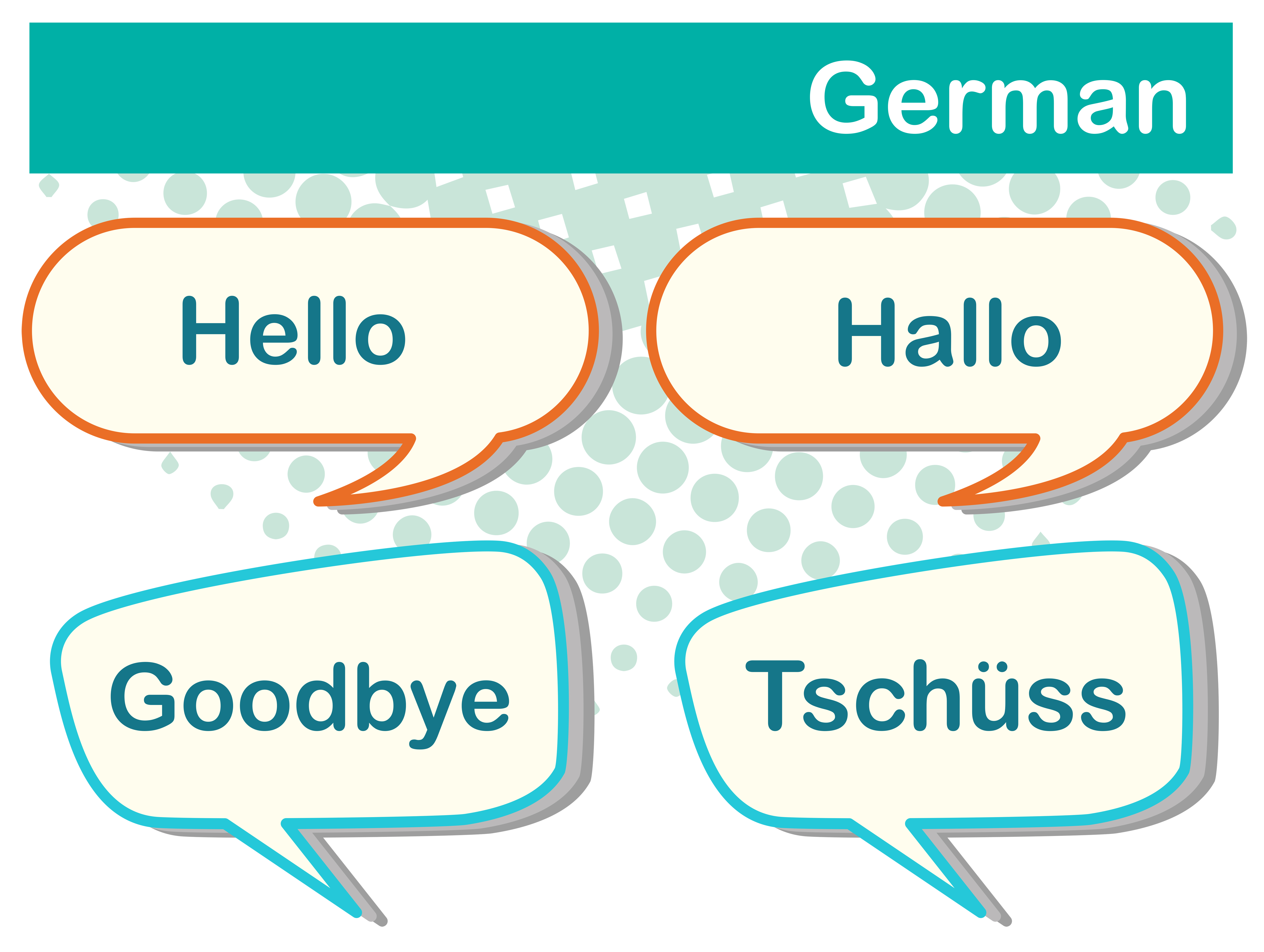
- Hallo (Hello): This is a casual and friendly way to say hello.
Other informal greetings include:
- Servus (Hi): Commonly used in Southern Germany and Austria.
- Moin (Hi): Popular in Northern Germany, especially in the Hamburg area.
Greetings with Handshakes and Body Language
In German culture, greetings often involve a handshake, especially in formal settings. A firm handshake is considered polite and respectful. In informal settings, a wave or a nod may suffice. It is also common to greet someone with a smile and direct eye contact, which shows friendliness and openness.
Greetings In German: Special Occasions
Greetings in German also vary depending on the occasion. Here are some special greetings for different situations:
Birthdays and Anniversaries
For birthdays and anniversaries, Germans often use the following greetings:
- Alles Gute zum Geburtstag (Happy Birthday): This is the standard way to wish someone a happy birthday.
- Herzlichen Glückwunsch zum Geburtstag (Heartfelt Congratulations on Your Birthday): A more formal and heartfelt way to wish someone a happy birthday.
Holidays
During holidays, Germans use specific greetings to celebrate the occasion. For example:
- Frohe Weihnachten (Merry Christmas): Used during the Christmas season.
- Frohes neues Jahr (Happy New Year): Used on New Year's Day.
- Frohe Ostern (Happy Easter): Used during Easter.
Farewells
When saying goodbye, Germans use various phrases depending on the context:
- Auf Wiedersehen (Goodbye): A formal way to say goodbye.
- Tschüss (Bye): An informal way to say goodbye.
- Bis später (See you later): Used when you expect to see the person again soon.
- Bis morgen (See you tomorrow): Used when you will see the person the next day.
Greetings In German: Common Phrases
In addition to basic greetings, there are several common phrases that are useful in everyday conversations. Here are some examples:
- Wie geht's? (How are you?): A casual way to ask how someone is doing.
- Alles klar? (Everything clear?): A casual way to ask if everything is okay.
- Geht's dir gut? (Are you doing well?): A more personal way to ask how someone is feeling.
- Ich freue mich, dich zu sehen (I am glad to see you): A friendly way to express happiness at seeing someone.
These phrases help to build rapport and show genuine interest in the other person's well-being.
Greetings In German: Cultural Nuances
Understanding the cultural nuances of German greetings is essential for effective communication. Here are some key points to keep in mind:
- Formality: Germans value formality, especially in professional settings. Using the formal "Sie" instead of the informal "du" is important until invited to do otherwise.
- Punctuality: Germans are known for their punctuality. Arriving on time for meetings and appointments is considered polite and respectful.
- Directness: Germans are direct and straightforward in their communication. This directness is also reflected in their greetings, which are often concise and to the point.
By understanding these cultural nuances, you can navigate German greetings more effectively and build stronger relationships.
Greetings In German: Common Mistakes to Avoid
Learning a new language can be challenging, and it's easy to make mistakes. Here are some common mistakes to avoid when using Greetings In German:
- Using the wrong formality: Using the informal "du" with someone you should address with "Sie" can be seen as disrespectful.
- Mispronouncing words: Pronunciation is important in German. Make sure to practice the correct pronunciation of greetings to avoid misunderstandings.
- Ignoring cultural norms: Understanding and respecting cultural norms, such as punctuality and directness, is crucial for effective communication.
By being aware of these common mistakes, you can improve your German greeting skills and communicate more effectively.
📝 Note: Practice makes perfect. The more you use German greetings in real-life situations, the more comfortable you will become with them.
Greetings in German are an essential part of the language and culture. By understanding the different types of greetings and their appropriate use, you can communicate more effectively and build stronger relationships with German speakers. Whether you are traveling to a German-speaking country, working with German colleagues, or simply interested in learning the language, mastering Greetings In German is a valuable skill.
Greetings in German are not just about saying hello; they are about showing respect, building rapport, and understanding the cultural nuances of the language. By incorporating these greetings into your daily interactions, you can enhance your communication skills and gain a deeper appreciation for the German language and culture.
Related Terms:
- good night in german
- good day greeting in german
- traditional german greeting
- basic greetings in german
- morning greetings in german
- greeting words in german