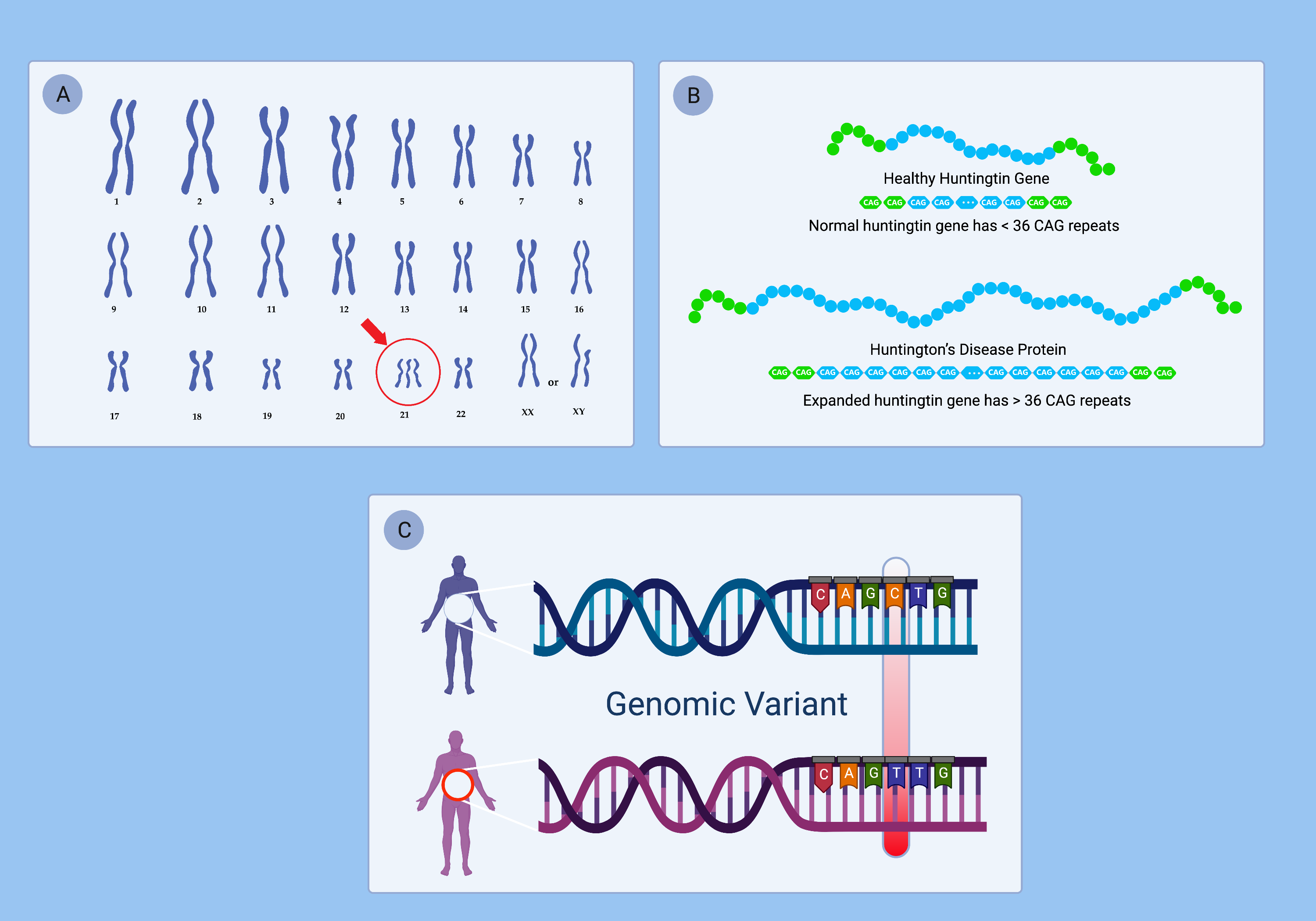
Understanding the intricacies of genetic information has become increasingly important in modern medicine and research. One of the most fascinating and complex areas of study is the gene variant meaning. Gene variants, also known as genetic variations, are differences in the DNA sequence among individuals. These variations can have profound implications for health, disease susceptibility, and even personal traits. This post delves into the significance of gene variants, their types, and how they influence our lives.
What is a Gene Variant?
A gene variant is a permanent change in the DNA sequence that makes up a gene. These changes can range from a single nucleotide (the basic building block of DNA) to large segments of DNA. Gene variants can occur in both coding and non-coding regions of the genome. Understanding the gene variant meaning is crucial for comprehending how these changes affect gene function and, ultimately, our health.
Types of Gene Variants
Gene variants can be categorized into several types based on their size and impact. The most common types include:
- Single Nucleotide Polymorphisms (SNPs): These are the most common type of genetic variation, involving a change in a single nucleotide. SNPs can occur in both coding and non-coding regions of the genome.
- Insertions and Deletions (Indels): These variants involve the addition or removal of nucleotides in the DNA sequence. Indels can range from a single nucleotide to large segments of DNA.
- Copy Number Variations (CNVs): CNVs involve the duplication or deletion of large segments of DNA. These variations can affect multiple genes and have significant impacts on health.
- Structural Variations: These include larger changes in the DNA sequence, such as inversions, translocations, and duplications. Structural variations can alter the arrangement of genes on chromosomes.
The Impact of Gene Variants on Health
Gene variants play a crucial role in determining an individual’s susceptibility to various diseases. Understanding the gene variant meaning can help identify genetic risk factors for conditions such as cancer, heart disease, and neurological disorders. For example, certain SNPs in the BRCA1 and BRCA2 genes are associated with an increased risk of breast and ovarian cancer. Similarly, variants in the APOE gene are linked to an elevated risk of Alzheimer’s disease.
Gene variants can also influence how individuals respond to medications. Pharmacogenomics, the study of how genetic variations affect drug response, is a growing field that aims to personalize medical treatment. By identifying gene variants that affect drug metabolism, doctors can tailor treatments to individual patients, improving efficacy and reducing adverse reactions.
Gene Variants and Personal Traits
Beyond health and disease, gene variants also contribute to personal traits and characteristics. For instance, variations in genes related to pigmentation can determine eye color, hair color, and skin tone. Similarly, gene variants influence traits such as height, muscle mass, and even certain behavioral tendencies.
Understanding the gene variant meaning in the context of personal traits can provide insights into human diversity and evolution. It can also help in developing personalized approaches to fitness, nutrition, and lifestyle choices.
Genetic Testing and the Role of Gene Variants
Genetic testing has become a powerful tool for identifying gene variants and their implications. There are several types of genetic tests available, each serving a different purpose:
- Diagnostic Testing: Used to confirm or rule out a suspected genetic condition.
- Predictive Testing: Identifies gene variants that increase the risk of developing a particular disease in the future.
- Carrier Testing: Determines if an individual carries a gene variant that could be passed on to their children.
- Pharmacogenetic Testing: Assesses how an individual’s genetic makeup affects their response to medications.
Genetic testing involves analyzing a sample of DNA, usually obtained from blood or saliva. The sample is then sequenced to identify any gene variants present. The results of genetic testing can provide valuable information about an individual's health risks and help guide medical decisions.
Ethical Considerations and Gene Variants
While the study of gene variants offers numerous benefits, it also raises important ethical considerations. One of the primary concerns is the potential for genetic discrimination. Employers or insurance companies could use genetic information to discriminate against individuals based on their genetic predispositions. To address this issue, many countries have implemented laws and regulations to protect genetic privacy and prevent discrimination.
Another ethical consideration is the psychological impact of genetic testing. Learning about genetic risks can be emotionally challenging, and individuals may experience anxiety, depression, or other psychological issues. It is essential for healthcare providers to offer genetic counseling and support to help individuals cope with the emotional aspects of genetic testing.
Additionally, the interpretation of gene variants can be complex and uncertain. Not all gene variants have a clear gene variant meaning, and their impact on health may not be fully understood. This uncertainty can make it difficult for individuals to make informed decisions about their health and future.
Future Directions in Gene Variant Research
The field of gene variant research is rapidly evolving, driven by advancements in technology and our understanding of the genome. Some of the key areas of focus include:
- Whole Genome Sequencing: This technique allows for the sequencing of an individual’s entire genome, providing a comprehensive view of their genetic makeup. Whole genome sequencing can identify rare and novel gene variants that may have significant health implications.
- Epigenetics: Epigenetics studies how environmental factors and lifestyle choices can influence gene expression without altering the underlying DNA sequence. Understanding the interplay between gene variants and epigenetic modifications can provide insights into complex diseases and personalized medicine.
- Artificial Intelligence and Machine Learning: These technologies are being used to analyze large datasets of genetic information, identifying patterns and associations that would be difficult to detect through traditional methods. AI and machine learning can help predict the gene variant meaning and its impact on health, paving the way for more personalized and effective treatments.
As research continues to advance, the potential applications of gene variant knowledge are vast. From personalized medicine to disease prevention, the study of gene variants holds promise for improving health outcomes and quality of life.
In conclusion, the gene variant meaning is a complex and multifaceted topic that touches on various aspects of health, disease, and personal traits. Understanding gene variants and their implications is essential for advancing medical research, developing personalized treatments, and improving overall health. As our knowledge of the genome continues to grow, so too will our ability to harness the power of genetic information for the benefit of individuals and society as a whole.
Related Terms:
- why are genetic variants important
- types of gene variants
- genetic variation vs mutation
- genetic variants vs mutations
- what happens when genes mutate
- difference between variant and mutation