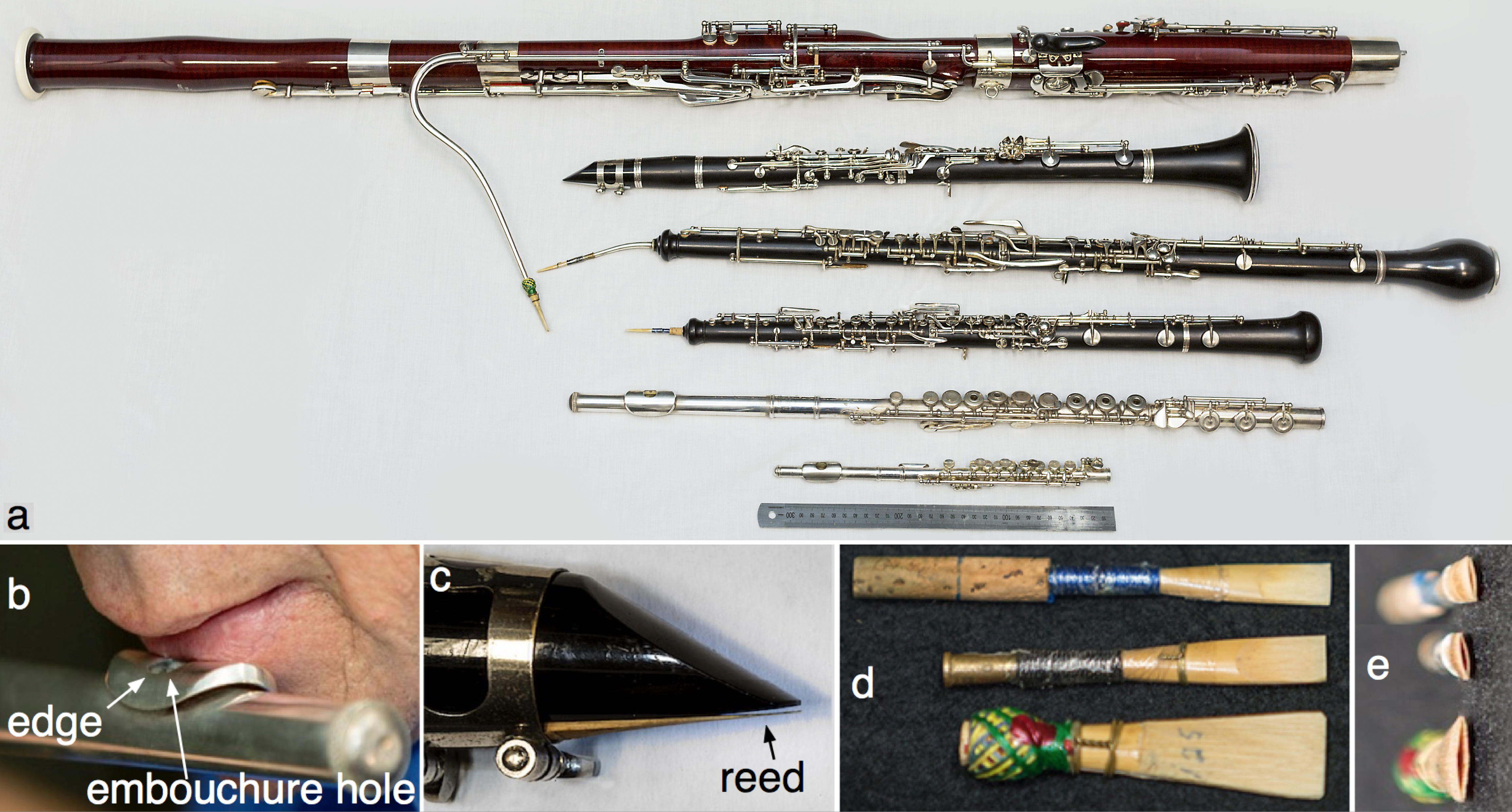
Embarking on a journey through the world of wind instruments, one cannot help but be captivated by the enchanting melodies produced by flute-like instruments. These instruments, characterized by their slender bodies and delicate sounds, have a rich history and cultural significance that spans centuries and continents. From the ancient flutes of prehistoric times to the modern concert flutes of today, these instruments have evolved and diversified, each with its unique timbre and playing technique.
Historical Evolution of Flute-Like Instruments
The history of flute-like instruments is as vast as it is fascinating. The earliest known flutes date back to the Paleolithic era, with examples found in the Swabian Alps of Germany. These ancient flutes, crafted from bird bones and mammoth ivory, provide a glimpse into the musical traditions of our earliest ancestors. Over time, these primitive instruments evolved into more sophisticated forms, with various cultures developing their own unique styles and techniques.
In ancient civilizations, flute-like instruments played a crucial role in religious ceremonies, court music, and folk traditions. For instance, the Chinese dizi, a transverse flute with a distinctive buzzing sound, has been an integral part of Chinese music for over 2,000 years. Similarly, the Indian bansuri, a side-blown flute, has been a staple in classical Indian music, often associated with the divine love stories of Lord Krishna.
Types of Flute-Like Instruments
Flute-like instruments come in a variety of shapes and sizes, each with its own unique characteristics. Some of the most well-known types include:
- Concert Flute: The modern concert flute, also known as the Western flute, is a transverse flute made of metal or wood. It is widely used in classical music and orchestras, known for its clear and bright tone.
- Piccolo: A smaller version of the concert flute, the piccolo produces a higher-pitched sound. It is often used to add brilliance and sparkle to orchestral and band music.
- Alto Flute: The alto flute is larger than the concert flute and produces a deeper, more mellow sound. It is often used in contemporary classical music and jazz.
- Bass Flute: Even larger than the alto flute, the bass flute produces a rich, low-pitched sound. It is less common but adds a unique depth to ensembles.
- Dizi: The Chinese dizi is a transverse flute with a unique buzzing sound produced by a membrane covering one of the holes. It is a staple in traditional Chinese music.
- Bansuri: The Indian bansuri is a side-blown flute made of bamboo. It is deeply rooted in Indian classical music and is often associated with spiritual and devotional themes.
- Shakuhachi: The Japanese shakuhachi is an end-blown flute traditionally made of bamboo. It is known for its meditative and serene sound, often used in Zen Buddhist ceremonies.
- Pan Flute: The pan flute, or syrinx, consists of multiple pipes of gradually increasing length. It is found in various cultures, including South American and Romanian traditions, and produces a haunting, ethereal sound.
Playing Techniques and Musical Styles
Each flute-like instrument has its own set of playing techniques and musical styles. For example, the concert flute requires precise fingering and breath control to produce a clear and resonant sound. The piccolo, due to its smaller size, demands even greater breath control and agility. The alto and bass flutes, with their larger bodies, offer a richer and more resonant tone, often used in contemporary and experimental music.
In traditional Chinese music, the dizi is played with a unique embouchure that produces a distinctive buzzing sound. This sound is achieved by covering one of the holes with a thin membrane, which vibrates as air passes through. The bansuri, in Indian classical music, is often played with intricate ornamentations and microtonal variations, adding depth and expressiveness to the music.
The shakuhachi, with its meditative origins, is played with a soft, controlled breath, producing a serene and contemplative sound. The pan flute, with its multiple pipes, requires a delicate touch and precise fingering to produce its characteristic haunting melodies.
Cultural Significance and Modern Adaptations
Flute-like instruments hold significant cultural and symbolic meanings in various societies. In many cultures, these instruments are associated with nature, spirituality, and divine communication. For instance, the bansuri is often depicted in Indian art and literature as a symbol of Lord Krishna's love for the cowherd girls. The shakuhachi, with its Zen Buddhist roots, is seen as a tool for spiritual enlightenment and meditation.
In modern times, flute-like instruments continue to evolve and adapt to new musical genres and styles. Composers and musicians are constantly exploring new techniques and sounds, pushing the boundaries of what these instruments can achieve. Contemporary classical music, jazz, and world music often feature flute-like instruments, adding unique textures and timbres to the musical landscape.
Moreover, the versatility of flute-like instruments makes them popular in various musical ensembles, from orchestras and bands to chamber groups and solo performances. Their ability to produce a wide range of dynamics and expressions makes them a valuable addition to any musical setting.
Learning to Play Flute-Like Instruments
Learning to play a flute-like instrument can be a rewarding experience, offering both personal fulfillment and a deeper appreciation for music. Whether you choose the concert flute, the dizi, or the shakuhachi, each instrument has its own set of challenges and rewards. Here are some steps to get you started:
- Choose the Right Instrument: Select an instrument that resonates with you, whether it's the clear sound of the concert flute or the meditative tones of the shakuhachi.
- Find a Qualified Teacher: A good teacher can provide guidance, correct technique, and motivation. Look for someone with experience in teaching your chosen instrument.
- Practice Regularly: Consistent practice is key to improving your skills. Set aside dedicated time each day to practice scales, exercises, and repertoire.
- Listen to Professionals: Listen to recordings of professional musicians playing your chosen instrument. This can inspire you and give you an idea of the sound and technique you should aim for.
- Join a Group or Ensemble: Playing with others can enhance your musical experience and provide opportunities for performance and collaboration.
🎵 Note: Remember that learning an instrument takes time and patience. Don't rush the process and enjoy the journey of discovery and growth.
Maintenance and Care
Proper maintenance and care are essential for keeping your flute-like instrument in good condition. Here are some tips to ensure your instrument stays in top shape:
- Clean Regularly: After each use, clean the instrument to remove moisture and prevent the buildup of dirt and debris. Use a soft cloth or cleaning rod to wipe the inside and outside of the instrument.
- Store Properly: Store your instrument in a cool, dry place, away from direct sunlight and extreme temperatures. Use a protective case to prevent damage during transport.
- Avoid Extreme Conditions: Extreme heat, cold, or humidity can damage your instrument. Avoid leaving it in a car or near a heater or air conditioner.
- Regular Maintenance: Have your instrument professionally serviced regularly to ensure it stays in good playing condition. This may include adjusting the pads, cleaning the mechanism, and checking for any signs of wear or damage.
By following these guidelines, you can ensure that your flute-like instrument remains in excellent condition, providing you with years of musical enjoyment.

Exploring the World of Flute-Like Instruments
Exploring the world of flute-like instruments is a journey of discovery and wonder. Each instrument has its own unique history, playing techniques, and cultural significance. Whether you are a beginner or an experienced musician, there is always more to learn and explore. From the ancient flutes of prehistoric times to the modern concert flutes of today, these instruments continue to captivate and inspire musicians and audiences alike.
One of the most fascinating aspects of flute-like instruments is their versatility. They can be found in a wide range of musical genres, from classical and jazz to world music and contemporary compositions. This versatility makes them a valuable addition to any musical ensemble, adding unique textures and timbres to the musical landscape.
Moreover, the cultural significance of flute-like instruments cannot be overstated. In many cultures, these instruments are associated with nature, spirituality, and divine communication. They are often depicted in art and literature as symbols of love, devotion, and enlightenment. For example, the bansuri is often depicted in Indian art and literature as a symbol of Lord Krishna's love for the cowherd girls. The shakuhachi, with its Zen Buddhist roots, is seen as a tool for spiritual enlightenment and meditation.
In modern times, flute-like instruments continue to evolve and adapt to new musical genres and styles. Composers and musicians are constantly exploring new techniques and sounds, pushing the boundaries of what these instruments can achieve. Contemporary classical music, jazz, and world music often feature flute-like instruments, adding unique textures and timbres to the musical landscape.
For those interested in learning to play a flute-like instrument, the journey can be both challenging and rewarding. Whether you choose the concert flute, the dizi, or the shakuhachi, each instrument has its own set of challenges and rewards. With dedication and practice, you can master the techniques and express yourself through the beautiful sounds of these instruments.
In conclusion, the world of flute-like instruments is vast and diverse, offering a rich tapestry of sounds, techniques, and cultural significance. From the ancient flutes of prehistoric times to the modern concert flutes of today, these instruments continue to captivate and inspire musicians and audiences alike. Whether you are a beginner or an experienced musician, there is always more to learn and explore in the enchanting world of flute-like instruments.
Related Terms:
- list of all woodwind instruments
- 5 examples of woodwind instruments
- all types of flutes
- different kinds of flute instruments
- instruments similar to the flute
- flute like instrument names