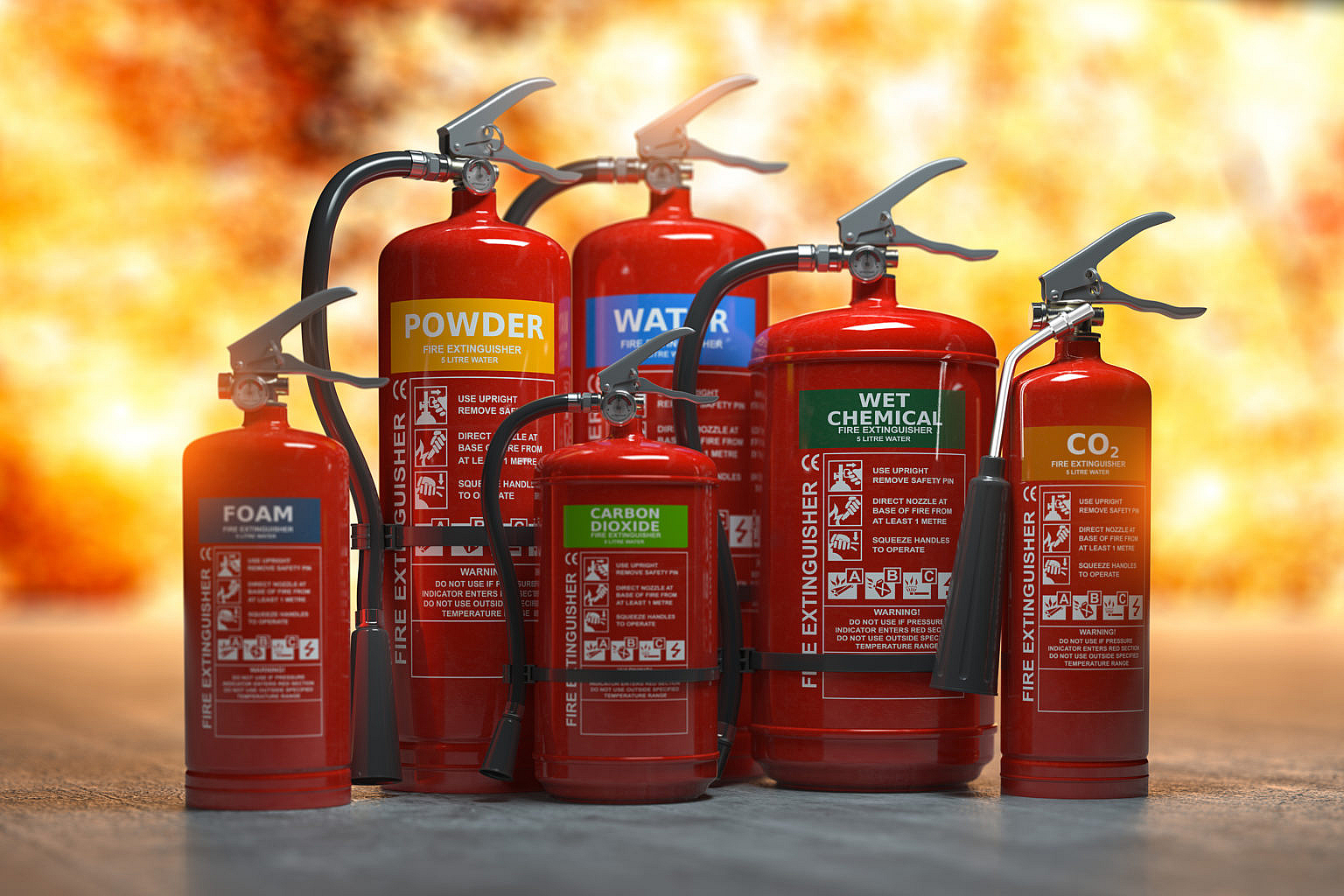
Fire safety is a critical aspect of any environment, whether it's a home, office, or industrial setting. Understanding the different types of fire extinguishers and their appropriate uses is essential for ensuring the safety of people and property. This guide will delve into the various Fire Extinguisher Class categories, their specific applications, and how to choose the right one for your needs.
Understanding Fire Extinguisher Classes
Fire extinguishers are classified based on the types of fires they are designed to extinguish. The classification system helps users select the appropriate extinguisher for different fire scenarios. The primary Fire Extinguisher Class categories are:
- A: Ordinary combustibles such as paper, wood, and cloth.
- B: Flammable liquids like gasoline, oil, and grease.
- C: Electrical equipment, including appliances and wiring.
- D: Combustible metals like magnesium, titanium, and potassium.
- K: Cooking oils and fats, commonly found in commercial kitchens.
Class A Fire Extinguishers
Class A fire extinguishers are designed to extinguish fires involving ordinary combustibles. These fires are typically fueled by materials such as paper, wood, and cloth. The extinguishing agent in Class A fire extinguishers is usually water or a dry chemical agent.
Water extinguishers are effective for Class A fires because water cools the burning material and removes the heat element of the fire triangle. Dry chemical extinguishers, on the other hand, work by smothering the fire and interrupting the chemical reaction.
When using a Class A fire extinguisher, it's important to aim the nozzle at the base of the fire and sweep from side to side. This technique helps to ensure that the extinguishing agent reaches the fuel source and effectively puts out the fire.
🔥 Note: Always ensure that the extinguisher is fully charged and in good working condition before use.
Class B Fire Extinguishers
Class B fire extinguishers are specifically designed to extinguish fires involving flammable liquids. These fires can be particularly dangerous because the liquids can spread quickly and reignite if not properly extinguished. Common flammable liquids include gasoline, oil, and grease.
The extinguishing agents used in Class B fire extinguishers are typically dry chemicals, foam, or carbon dioxide (CO2). Dry chemical extinguishers work by creating a barrier between the fuel and the oxygen, smothering the fire. Foam extinguishers coat the burning liquid, preventing it from reigniting. CO2 extinguishers displace the oxygen around the fire, effectively suffocating it.
When using a Class B fire extinguisher, it's crucial to aim the nozzle at the base of the fire and use a sweeping motion to cover the entire area. This ensures that the extinguishing agent reaches all parts of the fire and prevents it from spreading.
🔥 Note: Never use water on a Class B fire, as it can cause the flammable liquid to spread and intensify the fire.
Class C Fire Extinguishers
Class C fire extinguishers are designed to extinguish fires involving electrical equipment. These fires can be extremely dangerous because of the risk of electrical shock. Common sources of Class C fires include appliances, wiring, and electrical panels.
The extinguishing agents used in Class C fire extinguishers are typically dry chemicals or CO2. Dry chemical extinguishers work by interrupting the chemical reaction of the fire, while CO2 extinguishers displace the oxygen around the fire, suffocating it.
When using a Class C fire extinguisher, it's important to ensure that the extinguishing agent does not conduct electricity. This is why dry chemical and CO2 extinguishers are preferred for electrical fires. Always aim the nozzle at the base of the fire and use a sweeping motion to cover the entire area.
🔥 Note: Never use water on a Class C fire, as it can conduct electricity and cause a shock.
Class D Fire Extinguishers
Class D fire extinguishers are designed to extinguish fires involving combustible metals. These fires are less common but can be extremely dangerous because of the high temperatures and potential for explosions. Common combustible metals include magnesium, titanium, and potassium.
The extinguishing agents used in Class D fire extinguishers are typically dry powders specifically designed to smother the fire and prevent it from reigniting. These powders are often made from materials like graphite or sodium chloride.
When using a Class D fire extinguisher, it's important to aim the nozzle at the base of the fire and use a sweeping motion to cover the entire area. This ensures that the extinguishing agent reaches all parts of the fire and prevents it from spreading.
🔥 Note: Class D fires require specialized extinguishers and should only be handled by trained professionals.
Class K Fire Extinguishers
Class K fire extinguishers are designed to extinguish fires involving cooking oils and fats. These fires are common in commercial kitchens and can be particularly challenging to extinguish because of the high temperatures and the potential for reignition. Common sources of Class K fires include deep fryers, griddles, and ovens.
The extinguishing agents used in Class K fire extinguishers are typically wet chemical agents that create a soapy foam when applied to the fire. This foam coats the burning oil, preventing it from reigniting and cooling the surface.
When using a Class K fire extinguisher, it's important to aim the nozzle at the base of the fire and use a sweeping motion to cover the entire area. This ensures that the extinguishing agent reaches all parts of the fire and prevents it from spreading.
🔥 Note: Class K fires require specialized extinguishers and should only be handled by trained professionals.
Choosing the Right Fire Extinguisher
Selecting the appropriate Fire Extinguisher Class for your needs depends on the specific types of fires you are likely to encounter. Here is a table to help you choose the right extinguisher:
| Fire Class | Common Fuels | Recommended Extinguisher |
|---|---|---|
| A | Paper, wood, cloth | Water, dry chemical |
| B | Gasoline, oil, grease | Dry chemical, foam, CO2 |
| C | Electrical equipment | Dry chemical, CO2 |
| D | Combustible metals | Dry powder |
| K | Cooking oils, fats | Wet chemical |
It's also important to consider the size and rating of the fire extinguisher. The rating indicates the extinguisher's effectiveness against different types of fires. For example, a Class A extinguisher with a rating of 2A:10B:C can extinguish fires involving ordinary combustibles, flammable liquids, and electrical equipment.
Additionally, ensure that the fire extinguisher is easily accessible and that everyone in the area knows how to use it. Regular inspections and maintenance are crucial to ensure that the extinguisher is in good working condition and ready for use in an emergency.
🔥 Note: Always follow the manufacturer's instructions for using and maintaining your fire extinguisher.
Fire Extinguisher Maintenance
Regular maintenance of fire extinguishers is essential to ensure their effectiveness in an emergency. Here are some key steps to follow:
- Inspect Monthly: Check the extinguisher for any signs of damage, such as dents, leaks, or corrosion. Ensure that the pressure gauge is in the green zone.
- Annual Maintenance: Have the extinguisher professionally inspected and serviced annually. This includes checking the internal components, recharging if necessary, and ensuring that the extinguisher is in good working condition.
- Recharge After Use: If the extinguisher has been used, even partially, it should be recharged immediately. Do not attempt to recharge it yourself; always use a professional service.
- Replace When Necessary: Fire extinguishers have a limited lifespan. Replace them according to the manufacturer's recommendations, typically every 5-15 years, depending on the type and model.
By following these maintenance steps, you can ensure that your fire extinguisher is ready to use in an emergency and that it will provide the necessary protection against fires.
🔥 Note: Always keep a record of inspections and maintenance for your fire extinguisher.
Training and Education
Knowing how to use a fire extinguisher is just as important as having one available. Proper training and education can make a significant difference in an emergency situation. Here are some key points to cover in fire extinguisher training:
- Identify the Fire Class: Teach participants how to identify the type of fire they are dealing with and select the appropriate extinguisher.
- PASS Technique: Instruct participants on the PASS technique for using a fire extinguisher:
- Pull the pin at the top of the extinguisher.
- Aim low, pointing the extinguisher nozzle at the base of the fire.
- Squeeze the handle slowly and evenly.
- Sweep the nozzle from side to side.
- Safety Precautions: Emphasize the importance of safety precautions, such as standing at a safe distance from the fire and ensuring that an escape route is available.
- Practice Drills: Conduct regular practice drills to ensure that participants are comfortable using the extinguisher and can respond quickly in an emergency.
By providing comprehensive training and education, you can ensure that everyone in your environment is prepared to handle a fire emergency effectively.
🔥 Note: Regularly update training materials and conduct refresher courses to keep participants informed about best practices and any changes in fire safety procedures.
Fire safety is a critical aspect of any environment, and understanding the different Fire Extinguisher Class categories is essential for ensuring the safety of people and property. By selecting the appropriate extinguisher, maintaining it regularly, and providing comprehensive training, you can be prepared to handle any fire emergency effectively. Always remember that fire safety is a shared responsibility, and everyone plays a crucial role in preventing and responding to fires.
Related Terms:
- water fire extinguisher class
- fire extinguisher sizes in kg
- fire extinguisher sizes chart
- fire extinguisher types australia chart
- types of fire extinguisher chart