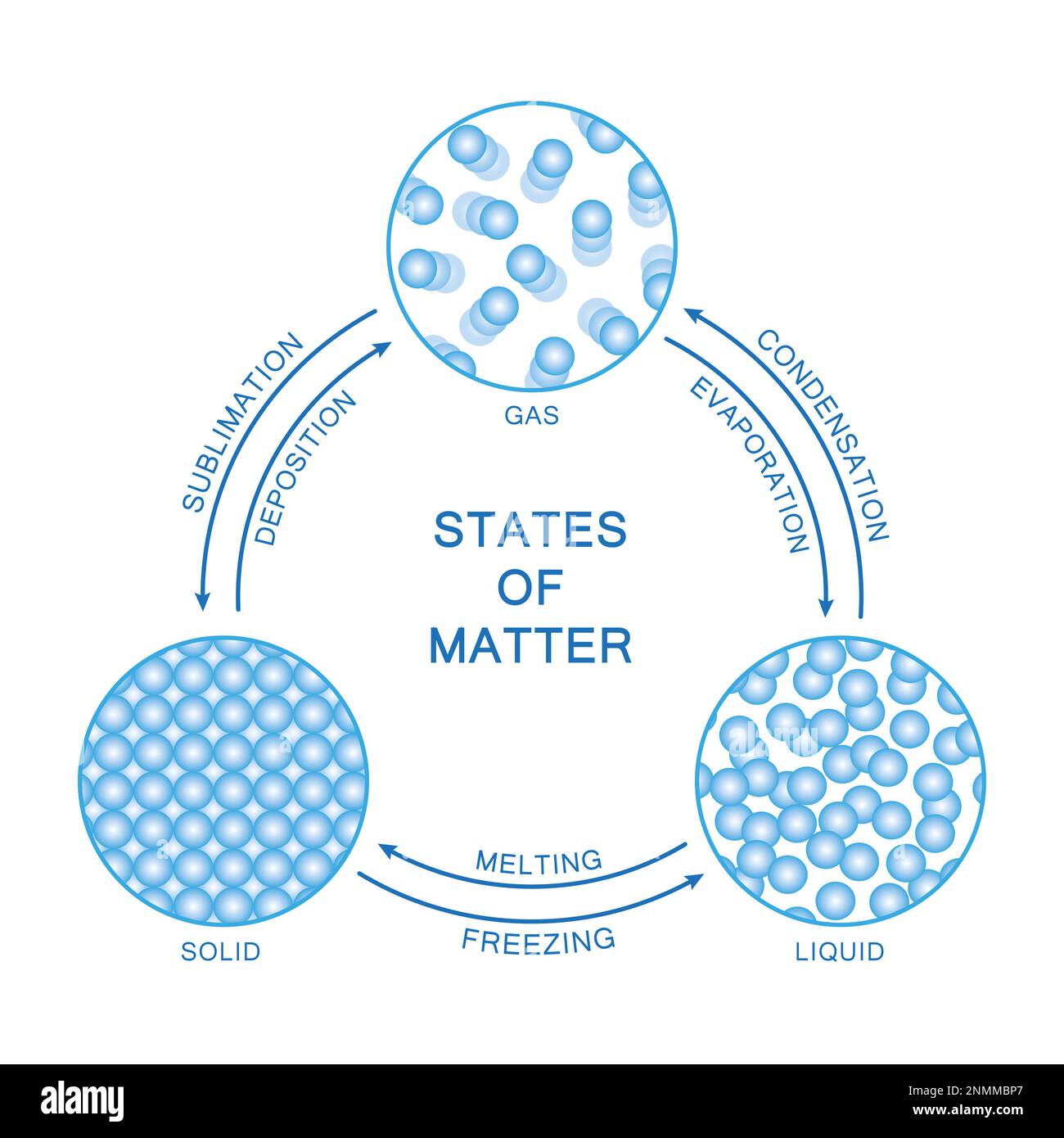
Understanding the concept of physical changes is fundamental in various scientific disciplines, particularly in chemistry and physics. An example of physical change can be observed in everyday phenomena, such as the melting of ice or the boiling of water. These changes involve alterations in the state or form of matter without any change in its chemical composition. This blog post will delve into the intricacies of physical changes, providing a comprehensive overview of their characteristics, examples, and significance.
Understanding Physical Changes
Physical changes are transformations that occur in matter without altering its chemical identity. These changes are typically reversible and do not involve the breaking or forming of chemical bonds. Some common examples of physical change include changes in state, size, shape, and color. Understanding these changes is crucial for various applications, from industrial processes to everyday activities.
Characteristics of Physical Changes
Physical changes exhibit several key characteristics that distinguish them from chemical changes:
- Reversibility: Most physical changes can be reversed to return the substance to its original state. For instance, water can be frozen into ice and then melted back into water.
- No Chemical Bond Alteration: The chemical composition of the substance remains unchanged. For example, when water boils, it turns into steam, but the H2O molecules remain intact.
- Energy Changes: Physical changes often involve the absorption or release of energy. For example, melting ice requires heat energy, while freezing water releases heat energy.
- Visible Changes: Physical changes are often visible and can be observed with the naked eye. Examples include the change in the shape of a piece of clay when molded or the change in the state of water when it freezes.
Examples of Physical Changes
Physical changes are ubiquitous in our daily lives. Here are some common examples of physical change that illustrate the concept:
- Melting and Freezing: The transition of a solid to a liquid (melting) or a liquid to a solid (freezing) is a classic example. For instance, ice melting into water or water freezing into ice.
- Boiling and Condensation: The change from a liquid to a gas (boiling) or from a gas to a liquid (condensation) is another common example. Water boiling into steam and steam condensing back into water are good illustrations.
- Dissolving: When a solid substance dissolves in a liquid, it is an example of a physical change. For example, sugar dissolving in water.
- Cutting and Breaking: Cutting a piece of paper or breaking a glass involves physical changes where the shape and size of the object are altered, but the chemical composition remains the same.
- Crushing and Grinding: Crushing a can or grinding spices are physical changes where the size and shape of the material are altered without changing its chemical composition.
Significance of Physical Changes
Physical changes play a crucial role in various fields and applications. Understanding these changes is essential for:
- Industrial Processes: Many industrial processes rely on physical changes. For example, the melting and casting of metals, the distillation of liquids, and the grinding of materials.
- Everyday Activities: Physical changes are integral to our daily lives. Cooking, cleaning, and even the process of breathing involve physical changes.
- Scientific Research: Physical changes are studied in various scientific disciplines to understand the behavior of matter under different conditions. This knowledge is applied in fields such as materials science, chemistry, and physics.
Physical Changes vs. Chemical Changes
Distinguishing between physical and chemical changes is essential for understanding the behavior of matter. Here is a comparison to highlight the differences:
| Characteristic | Physical Change | Chemical Change |
|---|---|---|
| Reversibility | Generally reversible | Generally irreversible |
| Chemical Composition | No change in chemical composition | Change in chemical composition |
| Energy Changes | Involves absorption or release of energy | Involves absorption or release of energy |
| Visible Changes | Often visible | May or may not be visible |
💡 Note: While both physical and chemical changes can involve energy, the key difference lies in whether the chemical composition of the substance changes.
Applications of Physical Changes
Physical changes have numerous applications in various fields. Here are some notable examples:
- Metallurgy: The melting and casting of metals involve physical changes. For example, iron is melted and cast into various shapes for construction and manufacturing.
- Food Processing: Many food processing techniques involve physical changes. For instance, the freezing of food to preserve it or the boiling of water to cook food.
- Pharmaceuticals: The dissolution of medicines in water is a physical change that allows for easy administration and absorption in the body.
- Environmental Science: The evaporation of water from lakes and oceans is a physical change that plays a crucial role in the water cycle.
Conclusion
Physical changes are fundamental to our understanding of matter and its behavior. From the melting of ice to the boiling of water, these changes are ubiquitous in our daily lives and have significant applications in various fields. By recognizing the characteristics and examples of physical changes, we can better appreciate the complexities of the natural world and harness these changes for practical purposes. Understanding the distinction between physical and chemical changes is also crucial for scientific research and industrial processes. Whether in the lab or in everyday activities, the study of physical changes continues to be a cornerstone of scientific inquiry and technological advancement.
Related Terms:
- example of physical change chemistry
- example of physical properties
- 5 physical changes examples
- five kinds of physical changes
- 10 example of physical change
- four examples of physical changes