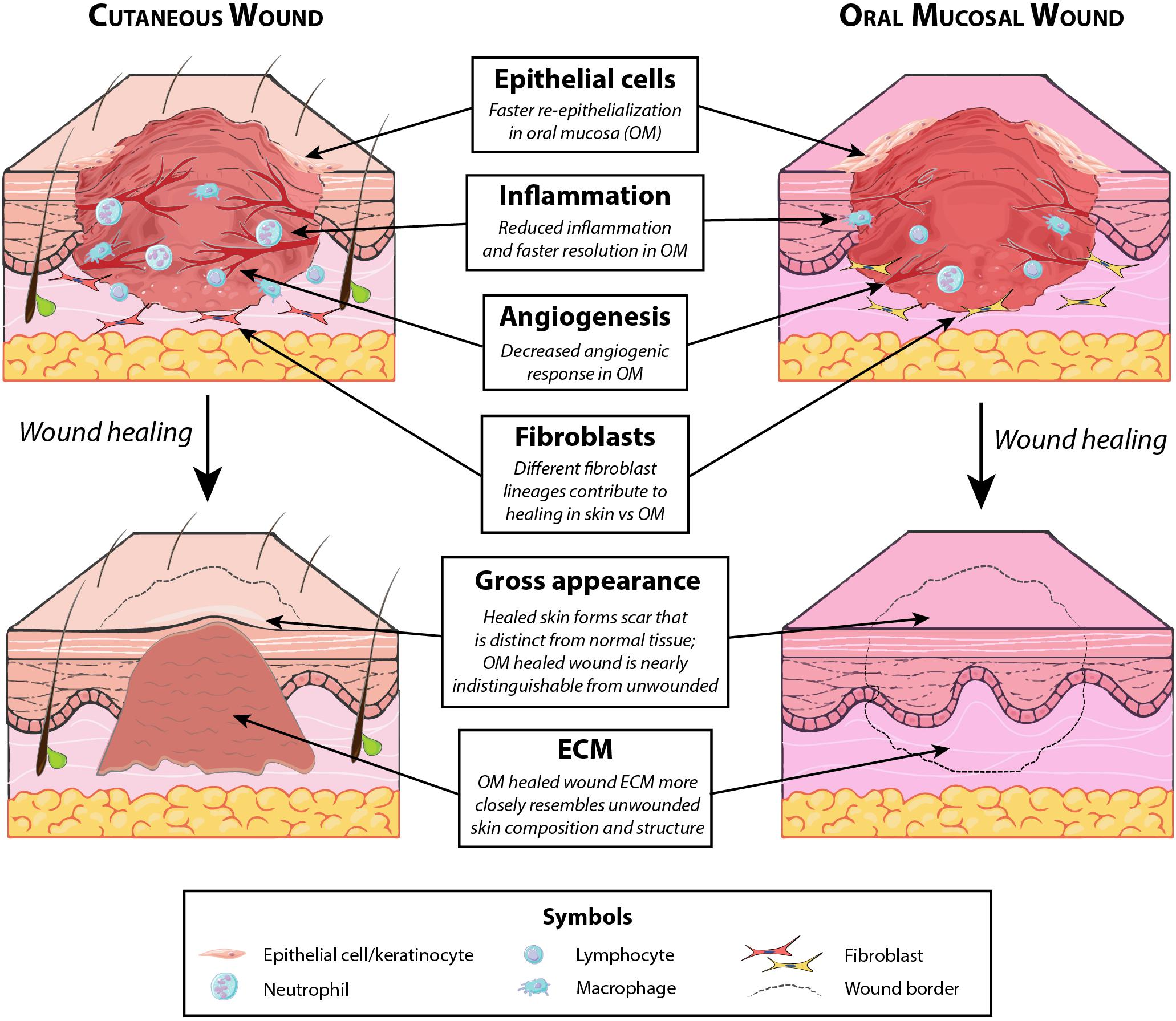
Understanding the differences between an eschar vs scab is crucial for proper wound care and management. Both terms refer to types of skin lesions, but they have distinct characteristics, causes, and implications. This blog post will delve into the definitions, causes, symptoms, and treatments of eschars and scabs, helping you distinguish between the two and providing essential information for effective wound care.
What is an Eschar?
An eschar is a thick, dark scab that forms over a wound, typically as a result of a severe burn, frostbite, or certain infections. It is characterized by its hard, leathery texture and dark color, which can range from brown to black. Eschars are often associated with deep tissue damage and can be a sign of a serious underlying condition.
Causes of Eschars
Eschars can be caused by various factors, including:
- Severe Burns: Deep burns that penetrate multiple layers of the skin can lead to the formation of eschars.
- Frostbite: Prolonged exposure to extreme cold can cause tissue damage, resulting in eschars.
- Infections: Certain bacterial infections, such as those caused by Clostridium species, can lead to the formation of eschars.
- Necrotizing Fasciitis: A rare but serious bacterial infection that causes tissue death and the formation of eschars.
Symptoms of Eschars
Eschars are typically characterized by the following symptoms:
- Dark Color: The eschar appears dark, often black or brown, due to the necrotic tissue.
- Hard Texture: The eschar feels hard and leathery to the touch.
- Pain: Depending on the underlying cause, the area around the eschar may be painful.
- Swelling: There may be swelling and inflammation around the eschar.
Treatment of Eschars
Treatment of eschars depends on the underlying cause and the extent of tissue damage. Common approaches include:
- Debridement: Surgical removal of the necrotic tissue to promote healing.
- Antibiotics: Administration of antibiotics to treat any underlying infection.
- Wound Care: Regular cleaning and dressing of the wound to prevent further infection.
- Hyperbaric Oxygen Therapy: In some cases, this therapy may be used to promote healing and tissue regeneration.
📌 Note: Eschars should be treated by a healthcare professional to ensure proper management and to prevent complications.
What is a Scab?
A scab is a protective crust that forms over a wound as part of the natural healing process. It is composed of dried blood, serum, and other bodily fluids that harden to create a barrier against infection. Scabs are typically lighter in color than eschars and are softer to the touch.
Causes of Scabs
Scabs form as a result of the body's natural healing process and can be caused by:
- Minor Cuts and Scrapes: Small injuries that break the skin's surface.
- Surgery: Incisions made during surgical procedures.
- Insect Bites: Bites from insects that break the skin.
- Acne: Pimples that burst and form a scab.
Symptoms of Scabs
Scabs are generally characterized by the following symptoms:
- Light Color: Scabs are usually lighter in color, ranging from yellow to brown.
- Soft Texture: Scabs feel soft and crusty to the touch.
- Itching: The area around the scab may itch as it heals.
- Minimal Pain: Scabs are usually not painful unless the underlying wound is still healing.
Treatment of Scabs
Scabs typically do not require special treatment and will fall off on their own as the wound heals. However, there are some steps you can take to promote healing and prevent infection:
- Keep the Area Clean: Gently clean the wound with mild soap and water.
- Avoid Picking: Do not pick or scratch the scab, as this can delay healing and increase the risk of infection.
- Apply Ointment: Use a topical antibiotic ointment to prevent infection.
- Cover the Wound: Apply a bandage to protect the scab from dirt and bacteria.
📌 Note: If a scab becomes infected or does not heal properly, seek medical attention.
Eschar Vs Scab: Key Differences
Understanding the key differences between an eschar vs scab is essential for proper wound care. Here is a comparison of the two:
| Characteristic | Eschar | Scab |
|---|---|---|
| Color | Dark (brown to black) | Light (yellow to brown) |
| Texture | Hard and leathery | Soft and crusty |
| Cause | Severe burns, frostbite, infections | Minor cuts, scrapes, surgery |
| Pain | Often painful | Usually not painful |
| Treatment | Requires medical intervention | Heals on its own |
When to Seek Medical Attention
While scabs typically heal on their own, eschars often require medical attention. Seek immediate medical care if you notice any of the following symptoms:
- Increased Pain: Severe or worsening pain around the wound.
- Fever: A high fever that accompanies the wound.
- Redness and Swelling: Significant redness and swelling around the wound.
- Discharge: Pus or other discharge from the wound.
- Spreading Infection: Signs that the infection is spreading to other parts of the body.
Prompt medical attention can prevent complications and ensure proper healing.
In summary, understanding the differences between an eschar vs scab is crucial for effective wound care. Eschars are typically associated with severe tissue damage and require medical intervention, while scabs are part of the natural healing process and usually heal on their own. By recognizing the characteristics and causes of each, you can take appropriate steps to promote healing and prevent complications. Always consult a healthcare professional for proper diagnosis and treatment, especially if you suspect an eschar or if a scab shows signs of infection.
Related Terms:
- medical name for a scab
- eschar tissue
- eschar meaning
- soft eschar tissue
- is eschar a dead wound
- eschar skin