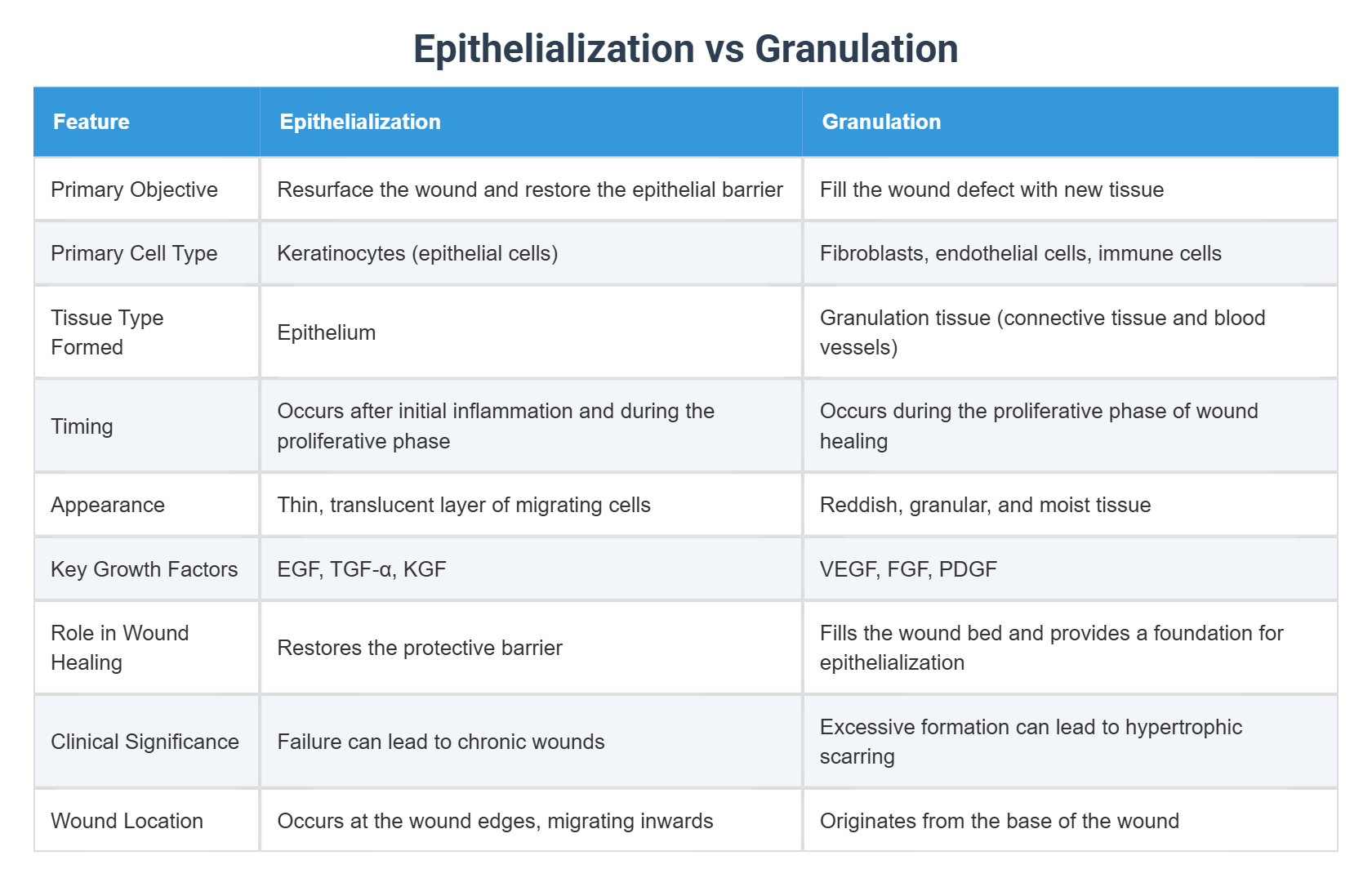
Wound healing is a complex biological process that involves several stages, including inflammation, proliferation, and remodeling. One of the critical components in this process is the role of epithelial tissue. Epithelial tissue wound healing is a fascinating area of study that highlights the body's remarkable ability to repair and regenerate damaged tissue. This post delves into the intricacies of epithelial tissue wound healing, exploring the various stages, key players, and factors that influence this process.
Understanding Epithelial Tissue
Epithelial tissue is one of the four basic types of animal tissue, along with connective, muscle, and nervous tissue. It covers the body’s surfaces, lines hollow organs and cavities, and forms glands. Epithelial tissue serves several essential functions, including protection, absorption, secretion, and sensation. In the context of wound healing, epithelial tissue plays a crucial role in restoring the integrity of the skin and other epithelial surfaces.
The Stages of Epithelial Tissue Wound Healing
Epithelial tissue wound healing can be broadly divided into four overlapping stages: hemostasis, inflammation, proliferation, and remodeling. Each stage involves a unique set of cellular and molecular events that work together to repair the damaged tissue.
Hemostasis
The hemostasis stage begins immediately after an injury and involves the formation of a blood clot to stop bleeding. Platelets aggregate at the site of injury and release various growth factors and cytokines that initiate the healing process. This stage sets the foundation for the subsequent stages of wound healing.
Inflammation
The inflammation stage follows hemostasis and is characterized by the infiltration of immune cells, such as neutrophils and macrophages, into the wound site. These cells help to clear debris and infected tissue, releasing additional growth factors and cytokines that promote tissue repair. The inflammation stage typically lasts for a few days, but it can be prolonged in chronic wounds.
Proliferation
The proliferation stage is marked by the formation of granulation tissue, which consists of new blood vessels, fibroblasts, and extracellular matrix components. Epithelial cells at the wound edges begin to migrate and proliferate, forming a new epithelial layer that covers the wound surface. This stage is crucial for restoring the barrier function of the epithelium and preventing further infection.
Remodeling
The remodeling stage is the final phase of wound healing, during which the newly formed tissue undergoes reorganization and maturation. Collagen fibers are realigned and cross-linked, increasing the tensile strength of the wound. Epithelial cells continue to differentiate and form a fully functional epithelial barrier. This stage can last for several months to a year, depending on the size and depth of the wound.
Key Players in Epithelial Tissue Wound Healing
Several cell types and molecular factors play essential roles in epithelial tissue wound healing. Understanding these key players can provide insights into the mechanisms underlying this process and potential targets for therapeutic intervention.
Epithelial Cells
Epithelial cells are the primary cells involved in the repair of epithelial tissue wounds. These cells undergo a series of coordinated events, including migration, proliferation, and differentiation, to restore the epithelial barrier. Growth factors, such as epidermal growth factor (EGF) and transforming growth factor-alpha (TGF-α), stimulate epithelial cell migration and proliferation.
Fibroblasts
Fibroblasts are connective tissue cells that play a crucial role in the proliferation and remodeling stages of wound healing. They synthesize and secrete extracellular matrix components, such as collagen and fibronectin, which provide structural support to the wound. Fibroblasts also release growth factors and cytokines that regulate the behavior of other cell types involved in wound healing.
Immune Cells
Immune cells, including neutrophils, macrophages, and lymphocytes, are essential for the inflammation stage of wound healing. They help to clear debris and infected tissue, releasing growth factors and cytokines that promote tissue repair. Macrophages, in particular, play a critical role in the transition from the inflammation to the proliferation stage by secreting factors that stimulate fibroblast and epithelial cell proliferation.
Growth Factors and Cytokines
Growth factors and cytokines are signaling molecules that regulate the behavior of cells involved in wound healing. Some of the key growth factors and cytokines involved in epithelial tissue wound healing include:
| Growth Factor/Cytokine | Primary Function |
|---|---|
| Epidermal Growth Factor (EGF) | Stimulates epithelial cell migration and proliferation |
| Transforming Growth Factor-alpha (TGF-α) | Stimulates epithelial cell migration and proliferation |
| Transforming Growth Factor-beta (TGF-β) | Regulates fibroblast and immune cell function |
| Vascular Endothelial Growth Factor (VEGF) | Promotes angiogenesis (formation of new blood vessels) |
| Interleukin-1 (IL-1) | Stimulates inflammation and immune cell activation |
| Interleukin-6 (IL-6) | Regulates immune cell function and acute-phase protein synthesis |
Factors Affecting Epithelial Tissue Wound Healing
Several factors can influence the rate and quality of epithelial tissue wound healing. Understanding these factors can help identify potential strategies to enhance wound healing and prevent complications.
Age
Age is a significant factor that affects wound healing. As people age, the skin becomes thinner and less elastic, and the number of fibroblasts and epithelial cells decreases. Additionally, the production of growth factors and cytokines is reduced, leading to slower wound healing and increased risk of complications.
Nutrition
Proper nutrition is essential for optimal wound healing. Deficiencies in protein, vitamins, and minerals can impair the body’s ability to repair damaged tissue. Adequate intake of protein, vitamin C, vitamin A, and zinc is particularly important for wound healing.
Diabetes
Diabetes is a chronic condition that affects wound healing by impairing blood flow, reducing immune function, and altering the production of growth factors and cytokines. People with diabetes are at increased risk of developing chronic wounds, such as diabetic foot ulcers, which can lead to serious complications if not properly managed.
Infection
Infection is a common complication of wounds that can significantly impair the healing process. Bacterial infections can delay wound healing by causing inflammation, tissue damage, and the formation of biofilms. Proper wound care and the use of antibiotics are essential for preventing and treating infections.
Smoking
Smoking is a significant risk factor for impaired wound healing. Nicotine and other chemicals in tobacco smoke constrict blood vessels, reducing blood flow to the wound site and impairing the delivery of oxygen and nutrients. Smoking also reduces the production of growth factors and cytokines, further impairing wound healing.
Chronic Wounds and Epithelial Tissue Wound Healing
Chronic wounds are wounds that fail to heal within a reasonable time frame, typically three months. These wounds can be caused by various factors, including diabetes, venous insufficiency, and pressure ulcers. Chronic wounds are characterized by prolonged inflammation, impaired angiogenesis, and abnormal extracellular matrix deposition.
Epithelial tissue wound healing in chronic wounds is often impaired due to the persistent inflammatory environment and the presence of senescent cells. Senescent cells are cells that have stopped dividing and secrete pro-inflammatory factors that can impair wound healing. Strategies to target senescent cells and modulate the inflammatory environment may hold promise for improving epithelial tissue wound healing in chronic wounds.
🔍 Note: Chronic wounds require specialized care and management to promote healing and prevent complications. Consultation with a healthcare professional is essential for the proper treatment of chronic wounds.
Future Directions in Epithelial Tissue Wound Healing Research
Research in the field of epithelial tissue wound healing is ongoing, with a focus on identifying new therapeutic targets and developing innovative treatments. Some of the promising areas of research include:
- Stem Cell Therapy: Stem cells have the potential to differentiate into various cell types and promote tissue regeneration. Research is underway to explore the use of stem cells in wound healing, particularly in chronic wounds.
- Growth Factor Therapy: Growth factors play a crucial role in wound healing, and exogenous administration of growth factors, such as EGF and VEGF, has shown promise in enhancing wound healing.
- Biomaterials and Scaffold: Biomaterials and scaffolds provide structural support and a favorable environment for tissue regeneration. Research is focused on developing new biomaterials and scaffolds that can promote epithelial tissue wound healing.
- Gene Therapy: Gene therapy involves the introduction of genetic material into cells to correct or modify their function. This approach holds promise for treating chronic wounds by modulating the expression of genes involved in wound healing.
As our understanding of the molecular and cellular mechanisms underlying epithelial tissue wound healing continues to grow, so too will our ability to develop effective treatments for acute and chronic wounds.
Epithelial tissue wound healing is a complex and dynamic process that involves the coordinated efforts of various cell types and molecular factors. Understanding the stages, key players, and factors that influence this process is essential for developing effective strategies to enhance wound healing and prevent complications. Future research in this field holds promise for improving the lives of individuals with acute and chronic wounds.
Related Terms:
- epithelial vs granulation
- granulation vs epithelization
- epithelizing wound
- epithelial vs granulation tissue wound
- epithelialization of wound
- epithelial tissue wound bed