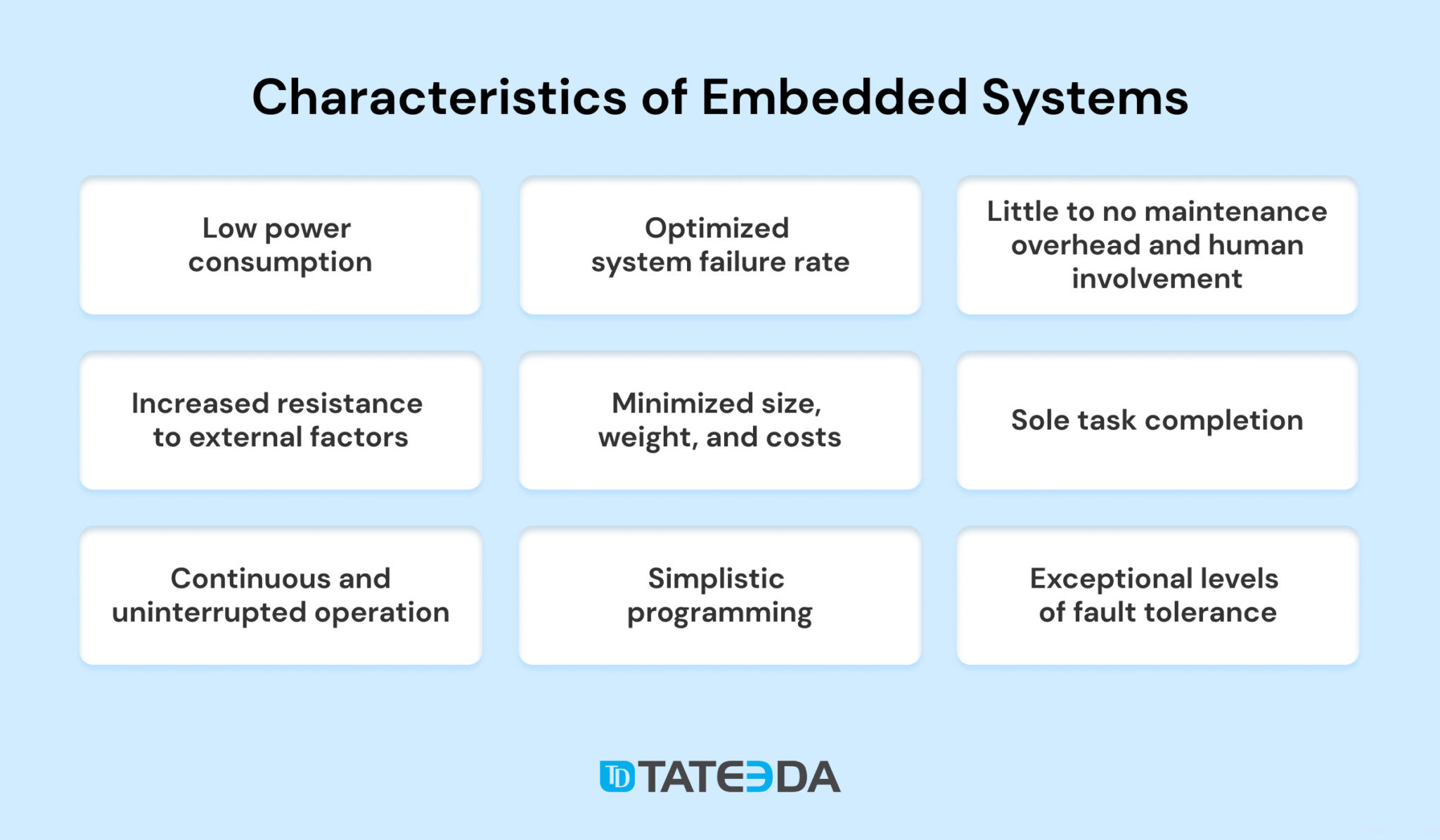
Embedded system design is a critical field in modern technology, encompassing the development of specialized computing systems designed to perform dedicated functions within larger mechanical or electrical systems. These systems are integral to a wide range of applications, from consumer electronics and automotive systems to industrial automation and medical devices. Understanding the intricacies of embedded system design is essential for engineers and developers aiming to create efficient, reliable, and innovative solutions.
Understanding Embedded Systems
Embedded systems are computer systems designed to perform one or a few dedicated functions. Unlike general-purpose computers, embedded systems are tailored to specific tasks and often have real-time processing requirements. Key components of an embedded system include:
- Microcontroller or Microprocessor
- Memory (RAM, ROM, Flash)
- Input/Output (I/O) Interfaces
- Power Supply
- Communication Interfaces (e.g., UART, SPI, I2C)
These components work together to execute specific tasks efficiently. The design process involves selecting the right hardware and software components, integrating them, and ensuring they work seamlessly to meet the system's requirements.
Key Considerations in Embedded System Design
Designing an embedded system involves several critical considerations to ensure the system meets its performance, reliability, and cost requirements. Some of the key considerations include:
- Performance: The system must meet real-time processing requirements and handle tasks efficiently.
- Power Consumption: Especially important for battery-operated devices, minimizing power consumption is crucial.
- Reliability: The system must operate reliably under various conditions, often with minimal maintenance.
- Cost: Balancing performance and features with cost constraints is essential for commercial viability.
- Size and Form Factor: Embedded systems often need to fit into specific physical constraints.
Each of these considerations plays a vital role in the overall success of the embedded system design.
Hardware Design in Embedded Systems
Hardware design is a fundamental aspect of embedded system design. It involves selecting and integrating various hardware components to create a functional system. Key steps in hardware design include:
- Choosing the appropriate microcontroller or microprocessor based on the system's requirements.
- Designing the power supply circuit to ensure stable and efficient power delivery.
- Selecting and integrating memory components, such as RAM, ROM, and flash memory.
- Designing input/output interfaces to interact with sensors, actuators, and other peripherals.
- Implementing communication interfaces for data exchange with other systems.
Hardware design also involves creating schematics and PCB layouts, which are essential for manufacturing the embedded system. Tools like CAD software are commonly used to design and simulate the hardware before physical prototyping.
Software Design in Embedded Systems
Software design is equally important in embedded system design. It involves developing the firmware or software that runs on the embedded system's hardware. Key aspects of software design include:
- Selecting the appropriate programming language (e.g., C, C++, Assembly).
- Designing the system architecture, including task scheduling and memory management.
- Implementing real-time operating systems (RTOS) if necessary for multitasking and real-time processing.
- Developing device drivers for hardware components.
- Writing application code to perform the system's specific functions.
Software design also involves testing and debugging the firmware to ensure it functions correctly and efficiently. Tools like debuggers, simulators, and emulators are commonly used in this process.
Development Tools and Technologies
Several tools and technologies are essential for embedded system design. These tools help in designing, simulating, and testing the embedded system. Some of the key tools include:
- Integrated Development Environments (IDEs): Tools like Keil, IAR, and Eclipse provide a comprehensive environment for coding, debugging, and testing.
- Simulation and Emulation Tools: Tools like ModelSim, Quartus, and Proteus help in simulating and emulating the hardware and software components.
- Debugging Tools: JTAG debuggers, logic analyzers, and oscilloscopes are essential for diagnosing and fixing issues in the embedded system.
- Version Control Systems: Tools like Git help in managing and tracking changes in the software codebase.
These tools and technologies play a crucial role in streamlining the development process and ensuring the reliability and efficiency of the embedded system.
Testing and Validation
Testing and validation are critical steps in embedded system design. They ensure that the system meets its performance, reliability, and safety requirements. Key aspects of testing and validation include:
- Unit Testing: Testing individual components or modules to ensure they function correctly.
- Integration Testing: Testing the integrated system to ensure all components work together seamlessly.
- System Testing: Testing the entire system under various conditions to ensure it meets its requirements.
- Stress Testing: Testing the system under extreme conditions to ensure it can handle stress and failures gracefully.
- Safety and Compliance Testing: Ensuring the system complies with relevant safety standards and regulations.
Testing and validation often involve creating test plans, writing test cases, and using automated testing tools to ensure comprehensive coverage.
🔍 Note: Effective testing and validation are crucial for identifying and fixing issues early in the development process, reducing the risk of failures in the field.
Challenges in Embedded System Design
Embedded system design presents several challenges that engineers must overcome to create successful systems. Some of the key challenges include:
- Real-Time Processing: Ensuring the system can handle real-time processing requirements efficiently.
- Power Management: Optimizing power consumption, especially for battery-operated devices.
- Reliability and Fault Tolerance: Designing systems that can operate reliably under various conditions and handle faults gracefully.
- Cost Constraints: Balancing performance and features with cost constraints to ensure commercial viability.
- Security: Protecting the system from cyber threats and ensuring data integrity and confidentiality.
Addressing these challenges requires a deep understanding of embedded system design principles and the use of advanced tools and technologies.
Future Trends in Embedded System Design
Embedded system design is continually evolving, driven by advancements in technology and changing market demands. Some of the future trends in embedded system design include:
- Internet of Things (IoT): The integration of embedded systems with IoT technologies for connected devices and smart systems.
- Artificial Intelligence (AI) and Machine Learning (ML): Incorporating AI and ML algorithms into embedded systems for intelligent decision-making and automation.
- Edge Computing: Moving data processing closer to the data source to reduce latency and improve efficiency.
- 5G and Beyond: Leveraging advanced communication technologies for faster and more reliable data transmission.
- Sustainability: Designing embedded systems with a focus on energy efficiency and environmental sustainability.
These trends are shaping the future of embedded system design, opening up new opportunities and challenges for engineers and developers.
Embedded system design is a complex and multifaceted field that requires a deep understanding of both hardware and software components. By carefully considering key factors such as performance, power consumption, reliability, and cost, engineers can create efficient and innovative embedded systems. The use of advanced tools and technologies, along with rigorous testing and validation, ensures the success of these systems in various applications. As technology continues to evolve, embedded system design will play an increasingly important role in shaping the future of modern technology.
Related Terms:
- embedded system design ppt
- nptel embedded system design
- embedded system courses
- embedded system design iisc
- embedded system design process
- embedded system design book pdf