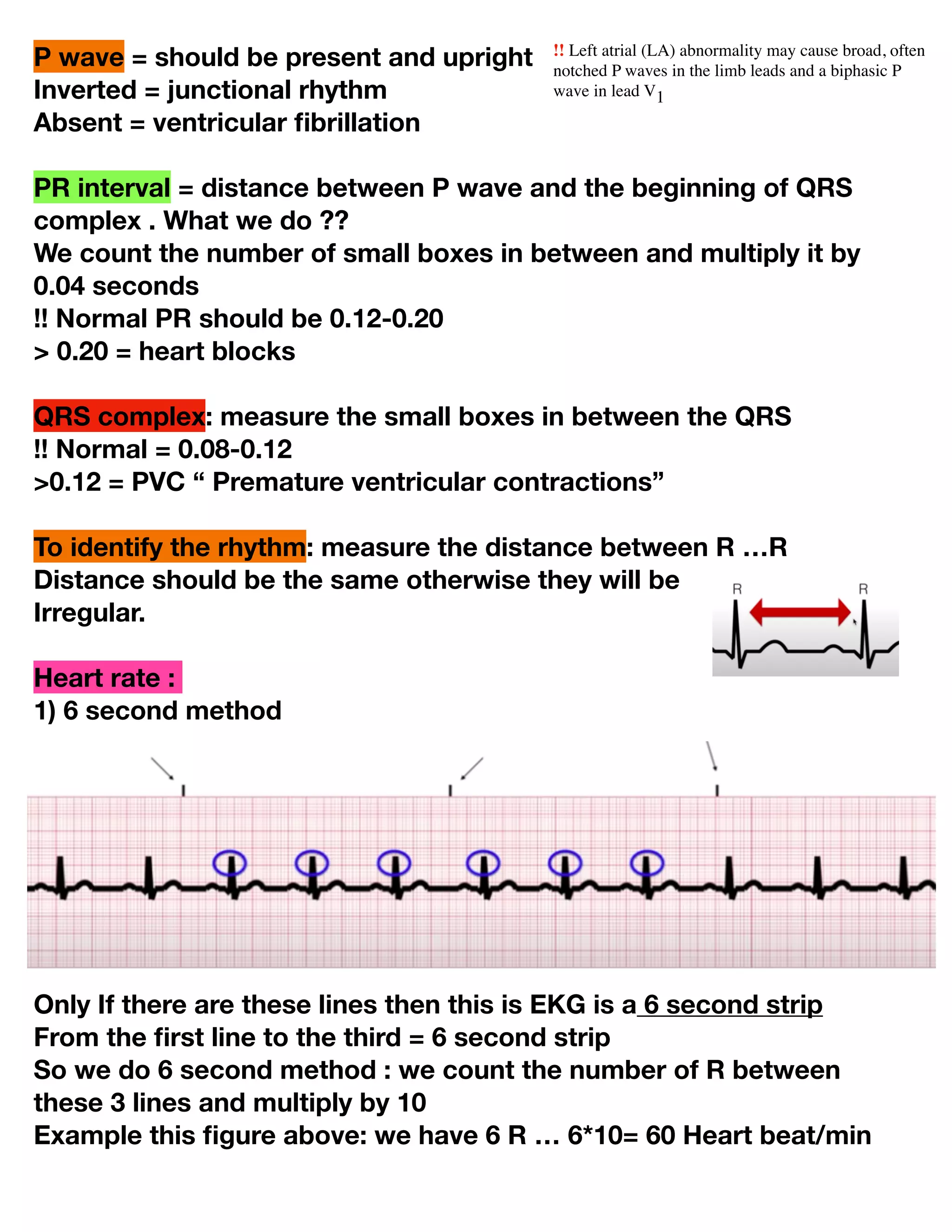
In the realm of medical diagnostics, the EKG rate box method stands out as a crucial technique for interpreting electrocardiograms (EKGs). This method is essential for healthcare professionals to accurately determine the heart rate from an EKG strip, which is fundamental for diagnosing various cardiac conditions. Understanding the EKG rate box method involves grasping the basics of EKG interpretation, the significance of heart rate, and the practical steps to calculate it using the rate box method.
Understanding Electrocardiograms (EKGs)
An electrocardiogram (EKG) is a graphical representation of the electrical activity of the heart over time. It is a non-invasive test that records the heart's electrical signals and displays them as waves on a strip of paper or a digital screen. The EKG provides valuable information about the heart's rhythm, rate, and the presence of any abnormalities.
Key components of an EKG include:
- P wave: Represents atrial depolarization.
- QRS complex: Represents ventricular depolarization.
- T wave: Represents ventricular repolarization.
The Importance of Heart Rate
The heart rate, measured in beats per minute (bpm), is a critical parameter in assessing cardiac health. A normal resting heart rate for adults typically ranges from 60 to 100 bpm. Deviations from this range can indicate various conditions, such as:
- Tachycardia: A heart rate above 100 bpm, which can be caused by stress, exercise, or underlying cardiac issues.
- Bradycardia: A heart rate below 60 bpm, which can result from certain medications, hypothyroidism, or other medical conditions.
The EKG Rate Box Method
The EKG rate box method is a straightforward and reliable technique for determining the heart rate from an EKG strip. This method involves counting the number of large squares between two consecutive R waves (the peaks of the QRS complexes) and using a predefined formula to calculate the heart rate.
Steps to Calculate Heart Rate Using the EKG Rate Box Method
Follow these steps to accurately determine the heart rate using the EKG rate box method:
- Identify the R waves: Locate two consecutive R waves on the EKG strip. The R wave is the tallest peak in the QRS complex.
- Count the large squares: Count the number of large squares between the two R waves. Each large square represents 0.2 seconds.
- Apply the formula: Use the formula to calculate the heart rate. The formula is:
Number of Large Squares Heart Rate (bpm) 300 1 150 2 100 3 75 4 60 5 50 6
For example, if there are 5 large squares between two R waves, the heart rate would be calculated as follows:
Heart Rate = 300 / Number of Large Squares
Heart Rate = 300 / 5 = 60 bpm
📝 Note: Ensure that the EKG strip is calibrated correctly (usually 25 mm/s) for accurate measurements.
Interpreting the Results
Once the heart rate is calculated using the EKG rate box method, it is essential to interpret the results in the context of the patient's clinical presentation. A heart rate that falls outside the normal range may warrant further investigation. For instance:
- Tachycardia: If the heart rate is consistently above 100 bpm, further evaluation may be needed to rule out conditions such as atrial fibrillation, supraventricular tachycardia, or ventricular tachycardia.
- Bradycardia: If the heart rate is consistently below 60 bpm, it may indicate conditions like sinus bradycardia, heart block, or the effects of certain medications.
Common Pitfalls and Tips
While the EKG rate box method is a reliable technique, there are some common pitfalls to avoid:
- Incorrect calibration: Ensure the EKG machine is calibrated correctly to avoid inaccurate measurements.
- Irregular rhythms: For patients with irregular heart rhythms, such as atrial fibrillation, the EKG rate box method may not be as accurate. In such cases, other methods like the 6-second strip method may be more appropriate.
- Artifacts: Electrical interference or patient movement can create artifacts on the EKG strip, leading to inaccurate measurements. Ensure the patient is relaxed and the environment is free from electrical interference.
To enhance the accuracy of the EKG rate box method, consider the following tips:
- Use a consistent approach: Always follow the same steps to ensure consistency in your measurements.
- Double-check your calculations: Verify your calculations to avoid errors.
- Consider clinical context: Interpret the heart rate in the context of the patient's overall clinical presentation.
📝 Note: Regular practice and familiarity with the EKG rate box method will improve your accuracy and confidence in interpreting EKGs.
Advanced EKG Interpretation
Beyond the EKG rate box method, advanced EKG interpretation involves analyzing the morphology of the waves and complexes, as well as identifying specific patterns and intervals. This includes:
- PR interval: The time from the beginning of the P wave to the beginning of the QRS complex, which represents the time it takes for the electrical impulse to travel from the atria to the ventricles.
- QRS duration: The width of the QRS complex, which indicates the time it takes for the ventricles to depolarize.
- ST segment: The flat line between the QRS complex and the T wave, which can indicate ischemia or injury to the heart muscle.
- T wave morphology: The shape and direction of the T wave, which can provide clues about repolarization abnormalities.
Advanced EKG interpretation requires a deep understanding of cardiac physiology and the ability to recognize various EKG patterns associated with different cardiac conditions. This skill is crucial for diagnosing complex cardiac arrhythmias, conduction abnormalities, and ischemic heart disease.
For healthcare professionals, mastering the EKG rate box method is just the beginning of a journey into the intricate world of EKG interpretation. Continuous learning and practice are essential to stay updated with the latest advancements and improve diagnostic accuracy.
In summary, the EKG rate box method is a fundamental technique for determining heart rate from an EKG strip. It involves counting the number of large squares between two consecutive R waves and applying a simple formula to calculate the heart rate. This method is reliable and easy to use, making it an essential skill for healthcare professionals. By understanding the basics of EKG interpretation, the significance of heart rate, and the practical steps of the EKG rate box method, healthcare providers can accurately diagnose and manage various cardiac conditions. Regular practice and familiarity with this method will enhance accuracy and confidence in interpreting EKGs, ultimately leading to better patient outcomes.
Related Terms:
- ekg rate by box
- calculate heart rate from ekg
- 300 method for heart rate
- large box method ekg
- rule of 300s ekg
- memory method ekg