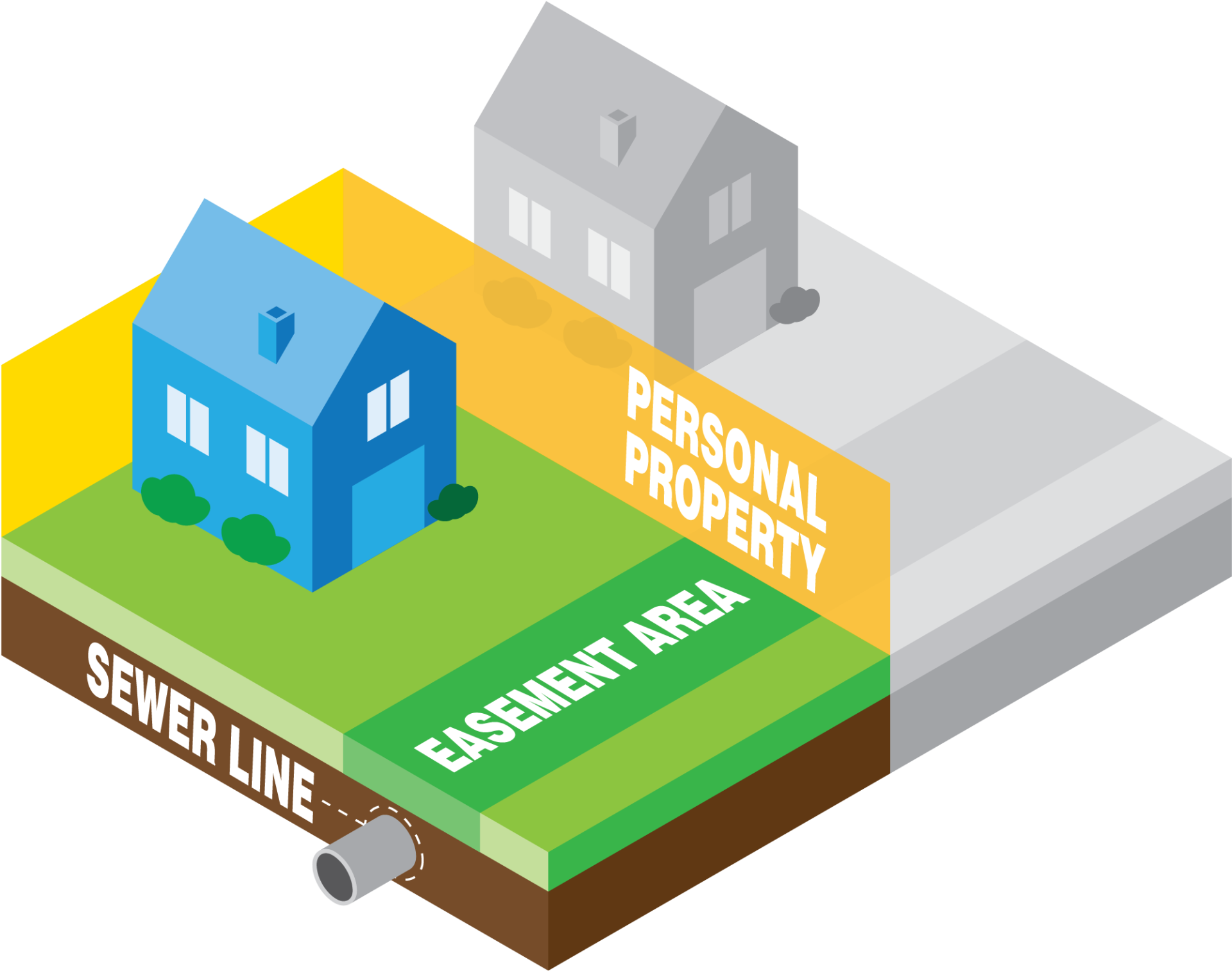
Understanding the intricacies of real estate law is crucial for anyone involved in property transactions. Two key concepts that often come up in this context are easements and appurtenances. These legal terms refer to specific rights and benefits that can significantly impact the use and value of a property. This post will delve into what easements and appurtenances are, their types, and how they affect property ownership.
What Are Easements?
An easement is a legal right to use someone else's land for a specific purpose. It does not grant ownership of the land but allows the holder to use it in a particular way. Easements are often created to facilitate necessary access or utility services. For example, a utility company might have an easement to run power lines across a property, or a neighbor might have an easement to cross your land to access their own property.
Types of Easements
Easements can be categorized into several types, each serving different purposes:
- Easement Appurtenant: This type of easement benefits a specific piece of land and runs with the land. For example, if you own a property that has an easement allowing you to cross a neighbor's land to access a public road, this easement is appurtenant to your property.
- Easement in Gross: This easement benefits an individual or entity rather than a specific piece of land. For instance, a utility company might have an easement to run cables across multiple properties.
- Prescriptive Easement: This easement is created when someone openly and continuously uses a portion of another person's land for a specified period without the owner's permission. The exact period varies by jurisdiction but is typically five to ten years.
- Easement by Necessity: This easement is created when a property is landlocked and the only way to access it is through a neighbor's land. It is necessary for the landlocked property to have reasonable access.
- Easement by Implication: This easement is created when a property is divided, and the new owner needs to use a portion of the original property to access their own. It is implied from the prior use of the land.
What Are Appurtenances?
Appurtenances are rights or benefits that are attached to a piece of land and transfer with the property when it is sold. These can include easements, but they also encompass other rights such as water rights, mineral rights, and the right to use a shared driveway. Appurtenances are essential because they can significantly affect the value and usability of a property.
Types of Appurtenances
Appurtenances can be categorized into several types, each providing different benefits to the property owner:
- Easements: As mentioned earlier, easements are a common type of appurtenance. They allow the property owner to use a portion of another person's land for a specific purpose.
- Water Rights: These rights allow the property owner to use water from a specific source, such as a well or a stream. Water rights can be crucial for agricultural properties or those in arid regions.
- Mineral Rights: These rights allow the property owner to extract minerals from the land, such as oil, gas, or precious metals. Mineral rights can be separate from the surface rights, meaning the owner of the surface land may not own the minerals beneath it.
- Right of Way: This appurtenance allows the property owner to travel across a neighbor's land to access their own property. It is often used in rural areas where properties are not easily accessible from public roads.
- Shared Driveways: This appurtenance allows multiple property owners to share a driveway. It is common in subdivisions or areas where properties are closely situated.
How Easements and Appurtenances Affect Property Ownership
Easements and appurtenances can have a significant impact on property ownership. Understanding these concepts is essential for anyone buying, selling, or managing real estate. Here are some key points to consider:
- Property Value: Easements and appurtenances can affect the value of a property. For example, a property with a scenic view might lose value if an easement allows a neighbor to build a structure that blocks the view.
- Property Use: Easements and appurtenances can limit how a property can be used. For instance, a property with a right of way might not be suitable for certain types of development if it requires blocking the path.
- Legal Considerations: Easements and appurtenances are legal agreements that must be followed. Failure to comply can result in legal disputes and potential financial penalties.
It is crucial to conduct a thorough title search and review all easements and appurtenances associated with a property before purchasing. This will help ensure that you are aware of any potential limitations or benefits that come with the property.
📝 Note: Always consult with a real estate attorney to understand the specific easements and appurtenances associated with a property. They can provide legal advice tailored to your situation.
Common Misconceptions About Easements and Appurtenances
There are several misconceptions about easements and appurtenances that can lead to confusion and potential legal issues. Here are some common myths debunked:
- Easements Always Involve Money: While some easements may involve financial compensation, many do not. For example, an easement by necessity does not typically involve money because it is essential for the landlocked property to have access.
- Appurtenances Are Always Beneficial: While appurtenances can provide significant benefits, they can also impose limitations. For instance, a shared driveway might be convenient, but it also means you have to share the maintenance responsibilities.
- Easements Can Be Easily Removed: Removing an easement can be a complex legal process. It often requires the consent of all parties involved and may involve financial compensation. In some cases, it might not be possible to remove an easement at all.
Understanding these misconceptions can help property owners make informed decisions and avoid potential legal issues.
📝 Note: Always review the specific terms of any easements and appurtenances associated with a property. The details can vary significantly, and it is essential to understand the exact rights and obligations involved.
Case Studies: Real-World Examples of Easements and Appurtenances
To better understand how easements and appurtenances work in practice, let's look at a few real-world examples:
Example 1: Easement by Necessity
Imagine a property owner, John, who purchases a piece of land that is landlocked. The only way to access the property is through a neighbor's land. In this case, John has an easement by necessity to use the neighbor's land to access his own property. This easement is implied and does not require a formal agreement.
Example 2: Prescriptive Easement
Consider a situation where a neighbor, Sarah, has been using a portion of her neighbor's land to access a public road for the past seven years. The neighbor, Tom, has never objected to this use. After seven years, Sarah can claim a prescriptive easement, allowing her to continue using the land to access the road. This easement is created by her continuous and open use of the land.
Example 3: Easement Appurtenant
Suppose a property owner, Lisa, has an easement that allows her to cross a neighbor's land to access a public road. This easement is appurtenant to Lisa's property, meaning it benefits her land specifically. If Lisa sells her property, the easement will transfer to the new owner, ensuring they also have access to the public road.
Example 4: Water Rights as an Appurtenance
Imagine a property owner, Mike, who owns a piece of land with a stream running through it. Mike has water rights that allow him to use the water from the stream for irrigation. These water rights are an appurtenance to his property, meaning they transfer with the land if he sells it. The new owner will also have the right to use the water from the stream.
These examples illustrate how easements and appurtenances can affect property ownership and use. Understanding these concepts is essential for anyone involved in real estate transactions.
📝 Note: Always consult with a real estate attorney to understand the specific easements and appurtenances associated with a property. They can provide legal advice tailored to your situation.
Legal Considerations for Easements and Appurtenances
When dealing with easements and appurtenances, it is crucial to consider the legal aspects. Here are some key points to keep in mind:
- Title Search: Conduct a thorough title search to identify all easements and appurtenances associated with a property. This will help you understand any potential limitations or benefits.
- Legal Agreements: Ensure that all easements and appurtenances are documented in legal agreements. This will help prevent disputes and ensure that all parties understand their rights and obligations.
- Consult a Lawyer: Always consult with a real estate attorney to understand the specific easements and appurtenances associated with a property. They can provide legal advice tailored to your situation.
Understanding the legal considerations of easements and appurtenances is essential for protecting your property rights and avoiding potential disputes.
📝 Note: Always review the specific terms of any easements and appurtenances associated with a property. The details can vary significantly, and it is essential to understand the exact rights and obligations involved.
Conclusion
Easements and appurtenances are critical concepts in real estate law that can significantly impact property ownership and use. Understanding these terms, their types, and how they affect property transactions is essential for anyone involved in real estate. By conducting thorough research, consulting with legal professionals, and being aware of potential misconceptions, property owners can make informed decisions and protect their interests. Whether you are buying, selling, or managing property, being knowledgeable about easements and appurtenances will help ensure a smooth and successful transaction.