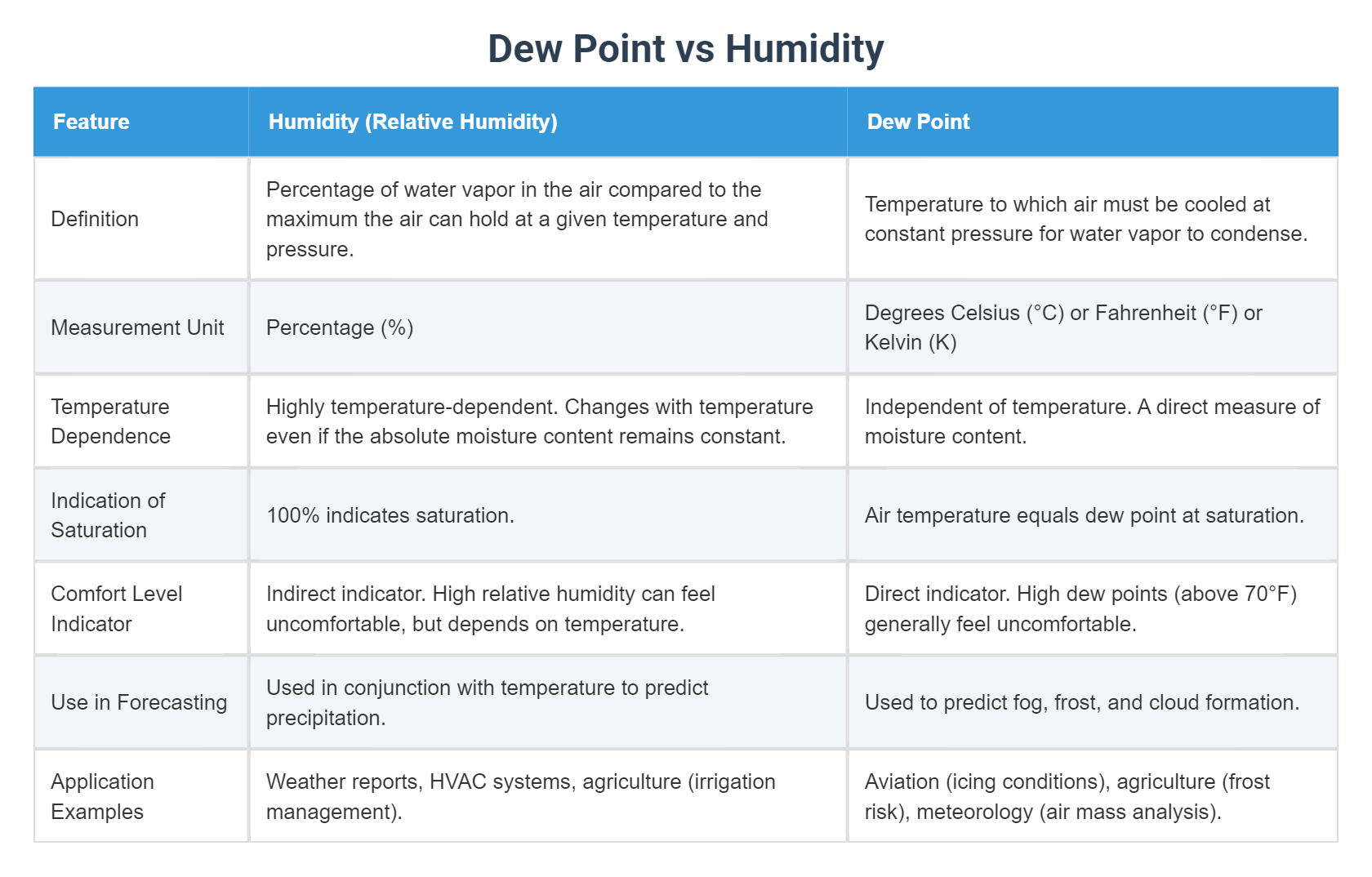
Understanding the relationship between humidity and dew is crucial for various fields, including meteorology, agriculture, and even everyday comfort. The question Does Humidity Make Dew? is a common one, and the answer lies in the intricate dance of temperature, moisture, and atmospheric conditions. This blog post will delve into the science behind dew formation, the role of humidity, and how these factors interact to create the phenomenon we observe on cool mornings.
Understanding Dew Formation
Dew is a natural occurrence that happens when the temperature of an object, such as grass or a car, falls below the dew point. The dew point is the temperature at which air becomes saturated and can no longer hold all of its water vapor. When this happens, the excess moisture condenses into tiny water droplets on the surface of the object.
Several factors influence dew formation:
- Temperature: As the temperature drops, the air's capacity to hold moisture decreases.
- Humidity: Higher humidity levels mean more water vapor is present in the air, increasing the likelihood of dew formation.
- Surface Temperature: The temperature of the surface on which dew forms also plays a crucial role. Cool surfaces are more likely to reach the dew point.
The Role of Humidity in Dew Formation
Humidity is a critical factor in determining whether dew will form. Humidity refers to the amount of water vapor present in the air. When the air is humid, it contains a higher concentration of water vapor. As the temperature drops, the air can hold less moisture, leading to condensation and the formation of dew.
To understand this better, let's look at the dew point. The dew point is the temperature at which the air becomes saturated with moisture. When the air temperature reaches the dew point, the excess water vapor condenses into liquid water. High humidity levels mean the dew point is closer to the current air temperature, making dew formation more likely.
For example, on a humid night, the air temperature might drop to the dew point more quickly than on a dry night. This rapid cooling increases the chances of dew forming on surfaces like grass, leaves, and even car windows.
Factors Affecting Dew Formation
While humidity is a significant factor, other elements also influence dew formation. These include:
- Wind: Wind can disrupt the formation of dew by mixing warmer air with cooler air, preventing surfaces from reaching the dew point.
- Cloud Cover: Clouds can trap heat near the Earth's surface, preventing the temperature from dropping low enough for dew to form.
- Surface Type: Different surfaces have varying abilities to radiate heat. For instance, grass and soil can cool more quickly than concrete or asphalt, making them more likely to form dew.
The Science Behind Dew Point
The dew point is a critical concept in understanding dew formation. It is the temperature at which the air becomes saturated with water vapor, and any further cooling will result in condensation. The dew point is directly related to the amount of moisture in the air; higher humidity means a higher dew point.
Here's a simple breakdown of how the dew point works:
- High Humidity: When the air is humid, the dew point is closer to the current air temperature. This means that even a small drop in temperature can cause the air to become saturated, leading to dew formation.
- Low Humidity: In dry conditions, the dew point is much lower than the current air temperature. This makes it less likely for dew to form, as the air would need to cool significantly to reach the dew point.
Understanding the dew point helps in predicting when and where dew will form. Meteorologists use dew point measurements to forecast weather conditions and provide valuable information for various applications, from agriculture to aviation.
Does Humidity Make Dew?
So, does humidity make dew? The answer is both yes and no. Humidity is a necessary condition for dew formation, but it is not the sole factor. High humidity increases the likelihood of dew forming by raising the dew point closer to the current air temperature. However, other factors like temperature, wind, and surface type also play crucial roles.
In summary, while humidity is essential for dew formation, it is part of a complex interplay of atmospheric conditions that determine whether dew will appear on a given surface.
To illustrate this, consider the following table that shows the relationship between humidity, temperature, and dew formation:
| Humidity Level | Air Temperature | Dew Point | Likelihood of Dew Formation |
|---|---|---|---|
| High | 20°C | 18°C | High |
| Medium | 20°C | 15°C | Moderate |
| Low | 20°C | 10°C | Low |
This table shows that as humidity increases, the dew point rises, making dew formation more likely. Conversely, lower humidity levels result in a lower dew point, reducing the chances of dew forming.
💡 Note: The dew point can vary significantly based on location and time of day. It is essential to consider local weather conditions when predicting dew formation.
Practical Applications of Understanding Dew
Understanding dew formation and the role of humidity has practical applications in various fields. For example, farmers can use this knowledge to protect their crops from dew-related issues, such as fungal diseases. By monitoring humidity levels and predicting dew formation, farmers can take preventive measures to safeguard their harvests.
In aviation, understanding dew formation is crucial for ensuring safety. Dew on runways can reduce traction, making it difficult for aircraft to take off and land safely. Pilots and airport personnel use dew point measurements to assess runway conditions and take necessary precautions.
In everyday life, knowing when dew will form can help in planning outdoor activities. For instance, dew can make surfaces slippery, increasing the risk of accidents. By checking the weather forecast and understanding dew formation, individuals can plan their activities accordingly.
Additionally, dew formation plays a role in the water cycle. Dew is a source of moisture for plants and soil, contributing to the overall hydrological balance. Understanding how dew forms can help in managing water resources and promoting sustainable practices.
In summary, the relationship between humidity and dew formation is a fascinating aspect of meteorology with wide-ranging applications. By understanding the science behind dew, we can make informed decisions in various fields and improve our daily lives.
In conclusion, the question Does Humidity Make Dew? is answered by understanding the complex interplay of temperature, moisture, and atmospheric conditions. Humidity is a crucial factor in dew formation, but it is not the only one. By considering all the elements involved, we can better predict and manage dew-related phenomena in our environment. This knowledge is invaluable for fields ranging from agriculture to aviation, and it helps us appreciate the intricate workings of nature.