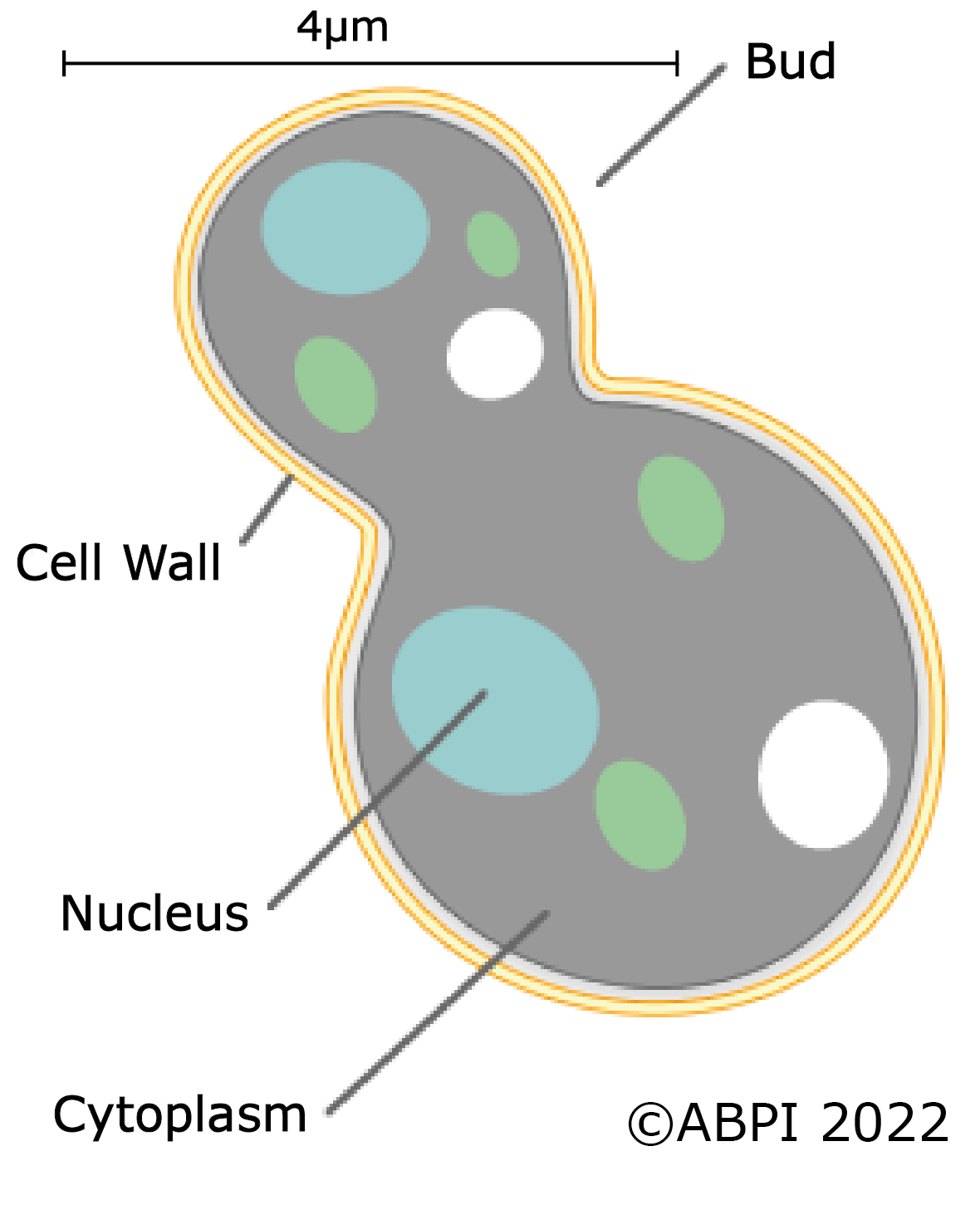
Fungi are a fascinating kingdom of organisms that play crucial roles in ecosystems worldwide. From decomposing organic matter to forming symbiotic relationships with plants, fungi are indispensable. One of the most intriguing questions about fungi is whether they have a nucleus. This question delves into the fundamental biology of these organisms and sheds light on their classification and characteristics.
Understanding Fungi
Fungi are eukaryotic organisms, which means they have cells with a true nucleus and other membrane-bound organelles. This is a key distinction from prokaryotic organisms like bacteria, which lack a nucleus. The presence of a nucleus in fungi is a defining characteristic that places them in the eukaryotic domain.
Does Fungi Have Nucleus?
Yes, fungi do have a nucleus. The nucleus is a membrane-bound organelle that contains the genetic material of the cell. In fungi, the nucleus is typically large and centrally located within the cell. This nucleus houses the DNA, which is organized into chromosomes. The presence of a nucleus allows fungi to undergo complex cellular processes, including mitosis and meiosis, which are essential for reproduction and genetic diversity.
Structure and Function of the Fungal Nucleus
The fungal nucleus is surrounded by a nuclear envelope, which is a double membrane that separates the nucleus from the cytoplasm. This envelope has pores that allow for the exchange of materials between the nucleus and the cytoplasm. The nucleus contains several important structures, including:
- Chromatin: The complex of DNA and proteins that makes up chromosomes.
- Nucleolus: A region within the nucleus where ribosomal RNA (rRNA) is synthesized and ribosomes are assembled.
- Nuclear Pores: Structures that facilitate the transport of molecules between the nucleus and the cytoplasm.
Importance of the Nucleus in Fungal Biology
The nucleus plays a critical role in the biology of fungi. It is responsible for storing and replicating genetic information, which is essential for the growth, development, and reproduction of fungal cells. The nucleus also regulates gene expression, allowing fungi to adapt to different environmental conditions. For example, fungi can produce enzymes that break down complex organic molecules, a process that is regulated by genes located in the nucleus.
Fungal Cell Structure
In addition to the nucleus, fungal cells contain other important organelles that contribute to their unique characteristics. These include:
- Mitochondria: Organelles that produce energy through cellular respiration.
- Endoplasmic Reticulum (ER): A network of membranes involved in the synthesis and transport of lipids and proteins.
- Golgi Apparatus: An organelle that modifies, sorts, and packages proteins and lipids for transport to other parts of the cell or for secretion.
- Vacuoles: Membrane-bound compartments that store water, nutrients, and waste products.
Fungal Reproduction
Fungi reproduce both sexually and asexually. The nucleus plays a crucial role in both types of reproduction. During asexual reproduction, the nucleus undergoes mitosis, resulting in the formation of genetically identical daughter cells. In sexual reproduction, the nucleus undergoes meiosis, leading to the formation of haploid spores that can fuse with other spores to form a diploid zygote.
Fungal Diversity
Fungi exhibit a remarkable diversity of forms and functions. They can be unicellular, such as yeasts, or multicellular, such as mushrooms and molds. Despite this diversity, all fungi share the common characteristic of having a nucleus. This nucleus is essential for their ability to adapt to various environments and perform their ecological roles.
Ecological Roles of Fungi
Fungi play several important ecological roles, including:
- Decomposition: Fungi break down dead organic matter, recycling nutrients back into the ecosystem.
- Symbiosis: Many fungi form symbiotic relationships with plants, such as mycorrhizae, which enhance nutrient uptake.
- Pathogenicity: Some fungi are pathogens that cause diseases in plants, animals, and humans.
Fungal Diseases and Human Health
While many fungi are beneficial, some can cause diseases in humans. Fungal infections, such as athlete’s foot and candidiasis, are common and can be challenging to treat. Understanding the structure and function of the fungal nucleus is crucial for developing effective antifungal therapies. Researchers are exploring ways to target the nucleus and other key cellular components to inhibit fungal growth and replication.
Research and Future Directions
Ongoing research continues to uncover new insights into the biology of fungi and the role of the nucleus in their cellular processes. Advances in genomics and molecular biology are providing a deeper understanding of fungal genetics and gene regulation. This knowledge is essential for developing new strategies to control fungal diseases and harness the beneficial properties of fungi for various applications, including biotechnology and agriculture.
📚 Note: The study of fungi and their nuclei is a rapidly evolving field with many exciting discoveries on the horizon. Stay tuned for the latest developments in fungal biology and their implications for human health and the environment.
In summary, fungi are eukaryotic organisms that possess a nucleus, which is essential for their cellular processes and ecological roles. The nucleus contains the genetic material that regulates gene expression and allows fungi to adapt to various environments. Understanding the structure and function of the fungal nucleus is crucial for advancing our knowledge of fungal biology and developing new applications in biotechnology, agriculture, and medicine.
Related Terms:
- is fungi unicellular or multicellular
- does fungi have chloroplast
- does eubacteria have a nucleus
- is fungi multicellular
- is fungi prokaryotic or eukaryotic
- cell type of fungi