Proteins are essential macromolecules that play a crucial role in virtually every biological process. They are composed of amino acids, which are the building blocks of life. One of the key questions that often arises in the study of proteins is whether they contain sulfur. The answer to this question is yes, and understanding the role of sulfur in proteins is vital for comprehending their structure and function.
Understanding Amino Acids and Sulfur
To grasp the significance of sulfur in proteins, it is essential to understand the structure of amino acids. Amino acids are organic compounds that contain an amino group, a carboxyl group, a hydrogen atom, and a variable side chain. The side chain, also known as the R group, determines the unique properties of each amino acid. Among the 20 standard amino acids, two contain sulfur: cysteine and methionine.
Cysteine: The Sulfur-Containing Amino Acid
Cysteine is one of the amino acids that contains sulfur. Its side chain includes a thiol group (-SH), which is a sulfur atom bonded to a hydrogen atom. This thiol group is highly reactive and can form disulfide bonds with other cysteine residues. Disulfide bonds are covalent linkages that play a critical role in stabilizing the three-dimensional structure of proteins. These bonds help proteins maintain their shape, which is essential for their proper function.
Disulfide bonds are particularly important in proteins that are secreted from cells or are part of the extracellular matrix. For example, insulin, a hormone that regulates blood sugar levels, contains disulfide bonds that are crucial for its biological activity. Similarly, antibodies, which are proteins involved in the immune response, rely on disulfide bonds to maintain their structure and function.
Methionine: Another Sulfur-Containing Amino Acid
Methionine is the other amino acid that contains sulfur. Its side chain includes a thioether group, which is a sulfur atom bonded to a methyl group. Methionine is unique among the amino acids because it is the only one that contains sulfur in a thioether linkage. This amino acid plays a vital role in various biological processes, including protein synthesis, methylation reactions, and the synthesis of other sulfur-containing compounds.
Methionine is also the initiator amino acid for protein synthesis in eukaryotes. It is encoded by the start codon AUG and is essential for the initiation of translation. Additionally, methionine is a precursor for the synthesis of cysteine, which can be converted from methionine through a series of biochemical reactions.
The Role of Sulfur in Protein Structure and Function
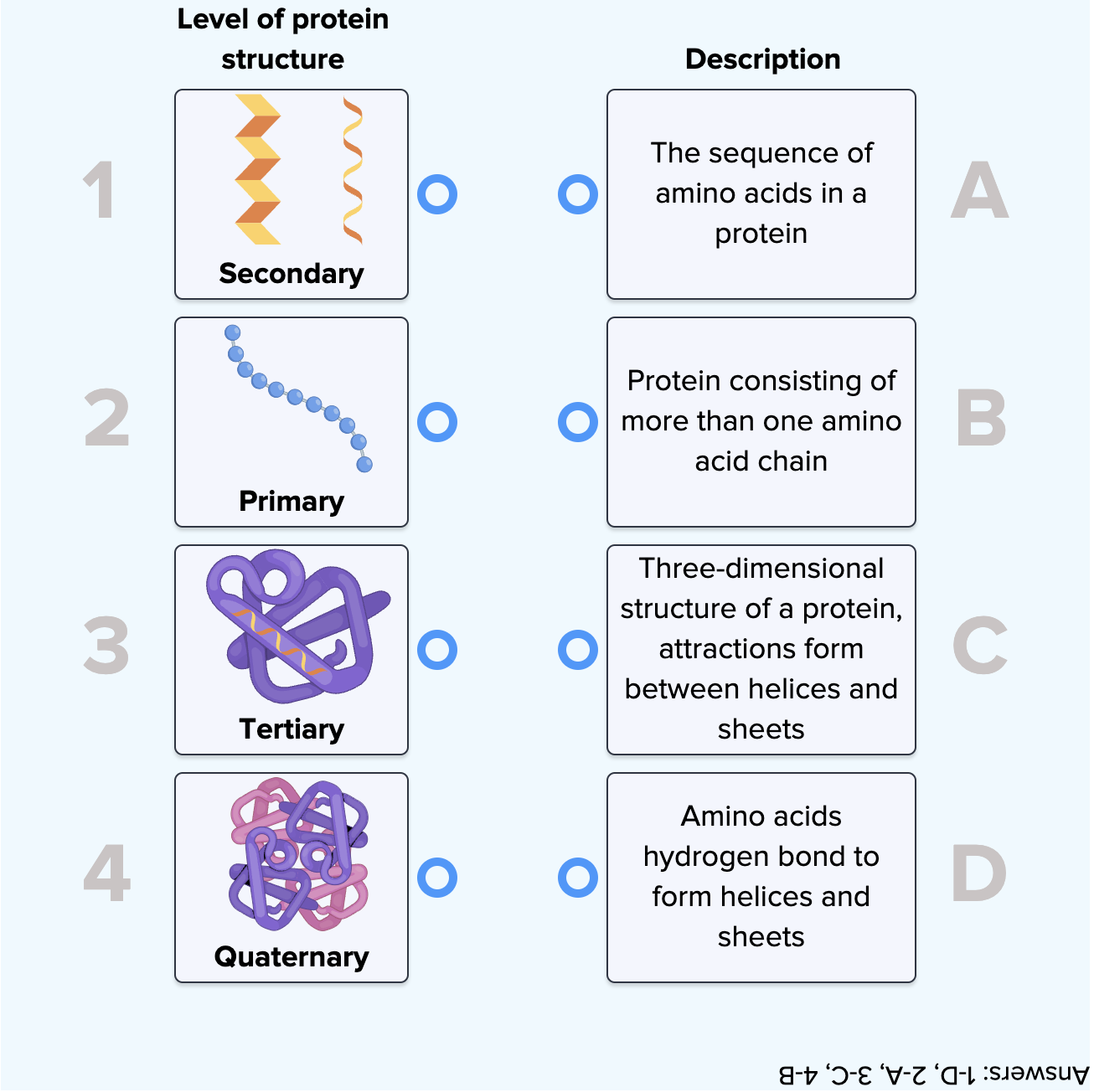
Sulfur plays a crucial role in the structure and function of proteins. The presence of sulfur in cysteine and methionine allows for the formation of disulfide bonds and thioether linkages, which are essential for protein stability and function. Disulfide bonds, in particular, are critical for maintaining the tertiary structure of proteins, which is the three-dimensional shape that determines their biological activity.
Proteins that contain disulfide bonds are often more stable and resistant to denaturation, which is the process by which proteins lose their three-dimensional structure. This stability is particularly important for proteins that are exposed to harsh environmental conditions, such as those found in the extracellular matrix or in secreted proteins.
In addition to disulfide bonds, sulfur-containing amino acids also play a role in protein-protein interactions. For example, cysteine residues can form mixed disulfide bonds with other proteins, which can regulate protein activity and function. These interactions are essential for various biological processes, including signal transduction, enzyme regulation, and protein folding.
Do Proteins Have Sulfur? The Importance of Sulfur in Biological Systems
The question "Do proteins have sulfur?" is not just about the presence of sulfur-containing amino acids but also about the broader implications of sulfur in biological systems. Sulfur is an essential element for life, and its presence in proteins is just one aspect of its biological significance. Sulfur-containing compounds play a variety of roles in cells, including as antioxidants, cofactors for enzymes, and components of structural proteins.
For example, glutathione is a sulfur-containing tripeptide that acts as a powerful antioxidant in cells. It helps protect cells from oxidative damage by scavenging reactive oxygen species (ROS) and maintaining the redox balance. Glutathione is synthesized from the amino acids glutamate, cysteine, and glycine, and its production is essential for cellular health and survival.
Another important sulfur-containing compound is coenzyme A (CoA), which plays a crucial role in energy metabolism. CoA is a cofactor for many enzymes involved in the citric acid cycle and fatty acid metabolism. It contains a pantothenic acid moiety, which includes a sulfur atom, and is essential for the transfer of acyl groups in various biochemical reactions.
Sulfur in Protein Folding and Misfolding
Sulfur-containing amino acids also play a significant role in protein folding and misfolding. Proper protein folding is essential for the correct function of proteins, and disulfide bonds are crucial for maintaining the folded state. However, improper folding or misfolding of proteins can lead to various diseases, including neurodegenerative disorders such as Alzheimer's and Parkinson's diseases.
In some cases, the misfolding of proteins can be caused by the incorrect formation of disulfide bonds. For example, the accumulation of misfolded proteins in the endoplasmic reticulum (ER) can trigger the unfolded protein response (UPR), a cellular stress response that aims to restore protein homeostasis. If the UPR is unable to resolve the misfolding, it can lead to cell death and contribute to the development of diseases.
Understanding the role of sulfur in protein folding and misfolding is essential for developing therapies for diseases associated with protein misfolding. For example, small molecules that target disulfide bonds or modulate the activity of enzymes involved in disulfide bond formation could be used to correct protein misfolding and restore normal cellular function.
Sulfur in Protein Modifications
Sulfur-containing amino acids are also involved in various post-translational modifications that regulate protein function. Post-translational modifications are chemical changes that occur after a protein has been synthesized and can alter its activity, stability, and interactions with other proteins. Some of the key post-translational modifications involving sulfur include:
- Sulfhydration: This is a post-translational modification where a hydrogen sulfide (H2S) molecule is added to a cysteine residue, forming a persulfide bond. Sulfhydration can regulate the activity of various enzymes and proteins involved in signal transduction, metabolism, and redox homeostasis.
- Sulfation: This modification involves the addition of a sulfate group to a tyrosine residue. Sulfation is important for protein-protein interactions and can regulate the activity of various signaling proteins, including growth factors and cytokines.
- S-Palmitoylation: This is a lipid modification where a palmitoyl group is added to a cysteine residue. S-Palmitoylation is crucial for the membrane association of proteins and can regulate their localization, stability, and function.
These post-translational modifications involving sulfur are essential for the regulation of protein function and play a critical role in various biological processes. Understanding the mechanisms and functions of these modifications is important for developing targeted therapies for diseases associated with protein dysfunction.
🔍 Note: The study of sulfur-containing amino acids and their modifications is an active area of research, and new insights continue to emerge. Staying updated with the latest findings can provide a deeper understanding of the role of sulfur in proteins and its implications for health and disease.
Sulfur in Protein Engineering
The unique properties of sulfur-containing amino acids make them valuable tools in protein engineering. Protein engineering involves the design and modification of proteins to enhance their properties or introduce new functions. Sulfur-containing amino acids can be used to create stable and functional proteins with desired characteristics.
For example, disulfide bonds can be engineered into proteins to enhance their stability and resistance to denaturation. This is particularly useful for proteins that are intended for therapeutic or industrial applications, where stability is crucial. Additionally, the reactivity of cysteine residues can be exploited to create site-specific modifications, such as the attachment of fluorescent labels or other functional groups.
Another application of sulfur in protein engineering is the use of unnatural amino acids. Unnatural amino acids are synthetic analogs of natural amino acids that can be incorporated into proteins using specialized techniques. Sulfur-containing unnatural amino acids, such as selenocysteine and homocysteine, can be used to introduce new functionalities into proteins, such as enhanced reactivity or altered redox properties.
In summary, the presence of sulfur in proteins, particularly in the form of cysteine and methionine, is crucial for their structure, function, and stability. Sulfur-containing amino acids play a vital role in various biological processes, including protein folding, post-translational modifications, and protein-protein interactions. Understanding the role of sulfur in proteins is essential for advancing our knowledge of biological systems and developing new therapies for diseases associated with protein dysfunction.
In conclusion, the question “Do proteins have sulfur?” highlights the importance of sulfur in the structure and function of proteins. Sulfur-containing amino acids, such as cysteine and methionine, are essential for the formation of disulfide bonds, thioether linkages, and various post-translational modifications. These modifications play a critical role in regulating protein function and are involved in a wide range of biological processes. The study of sulfur in proteins continues to be an active area of research, with new insights emerging that could lead to the development of novel therapies and technologies. By understanding the role of sulfur in proteins, we can gain a deeper appreciation for the complexity and diversity of biological systems and their implications for health and disease.
Related Terms:
- do proteins contain nitrogen
- which amino acids have sulfur
- which amino acid has sulfur
- sulfur building blocks of protein
- sulphur containing amino acids list
- amino acids that contain sulfur