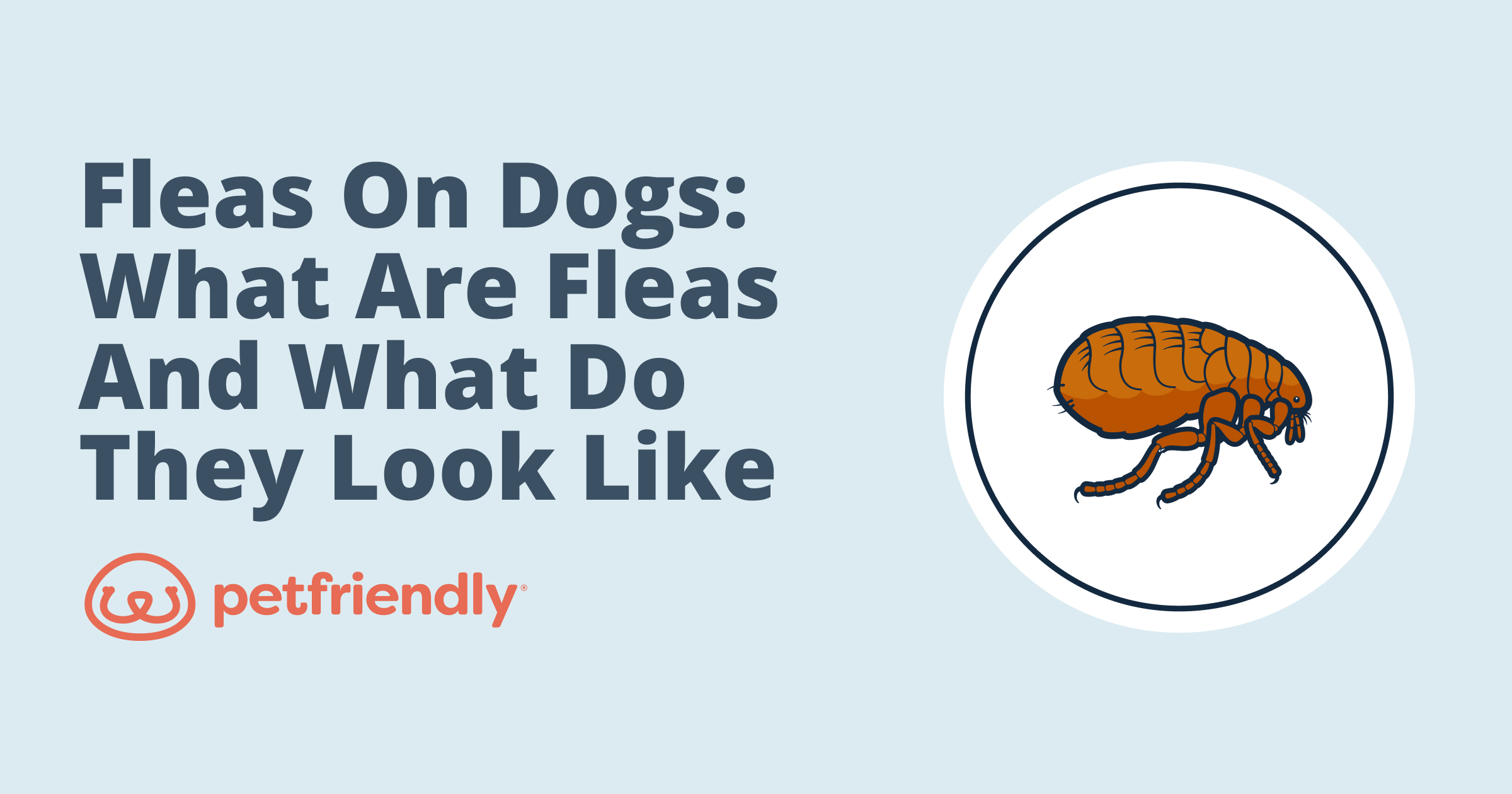
As pet owners, we often wonder about the various health issues that can affect our furry friends. One common question that arises is, "Do dogs get lice?" The answer is yes, dogs can indeed get lice, but it's important to understand the specifics to ensure your pet's health and well-being.
Understanding Canine Lice
Lice are small, wingless insects that live on the skin and fur of animals. In dogs, lice are relatively uncommon compared to other parasites like fleas and ticks, but they can still pose a problem. There are two main types of lice that can infest dogs:
- Chewing lice: These lice feed on skin debris and can cause intense itching and irritation.
- Sucking lice: These lice feed on blood and can lead to anemia in severe cases.
Lice are species-specific, meaning that dog lice cannot be transmitted to humans or other animals. However, they can spread quickly among dogs that are in close contact with each other, such as in kennels or shelters.
Symptoms of Lice in Dogs
Recognizing the symptoms of lice in dogs is crucial for early detection and treatment. Some common signs to look out for include:
- Excessive scratching or biting at the skin
- Hair loss or bald patches
- Visible lice or nits (lice eggs) on the fur or skin
- Restlessness or discomfort
- Redness or inflammation of the skin
If you notice any of these symptoms, it's important to consult with a veterinarian for a proper diagnosis and treatment plan.
Diagnosing Lice in Dogs
Diagnosing lice in dogs typically involves a physical examination by a veterinarian. The vet will look for visible signs of lice or nits on the dog's fur and skin. In some cases, a skin scraping or fur sample may be taken for further analysis. Early diagnosis is key to preventing the spread of lice and ensuring effective treatment.
Treatment Options for Canine Lice
Treating lice in dogs usually involves a combination of topical and environmental measures. Some common treatment options include:
- Topical treatments: Medicated shampoos, sprays, and powders can be used to kill lice and nits. These products often contain ingredients like pyrethrins, permethrin, or fipronil.
- Oral medications: In severe cases, oral medications may be prescribed to eliminate lice from the inside out.
- Environmental control: Thoroughly cleaning and disinfecting the dog's bedding, toys, and living areas can help prevent reinfestation.
It's essential to follow your veterinarian's recommendations for treatment and to complete the full course of medication to ensure that all lice and nits are eliminated.
📝 Note: Always consult with a veterinarian before starting any treatment for lice in dogs. Some medications may not be suitable for all dogs, especially those with underlying health conditions or allergies.
Preventing Lice in Dogs
Preventing lice in dogs is often easier than treating an infestation. Here are some tips to help keep your dog lice-free:
- Regular grooming: Regularly brushing and bathing your dog can help detect lice early and remove any eggs or nits.
- Avoid close contact: Limit your dog's contact with other dogs that may be infested with lice, especially in high-risk areas like kennels or shelters.
- Use preventative treatments: Some topical treatments can be used as a preventative measure to keep lice at bay.
- Maintain a clean environment: Regularly clean and disinfect your dog's living areas to eliminate any potential lice or nits.
Common Myths About Canine Lice
There are several myths and misconceptions about canine lice that can lead to confusion and improper treatment. Let's address some of the most common myths:
- Myth: Dogs can get lice from humans. Fact: Lice are species-specific, so dog lice cannot be transmitted to humans or other animals.
- Myth: Lice are only a problem in dirty environments. Fact: While cleanliness can help prevent lice, they can infest dogs in any environment, including clean homes.
- Myth: Lice are always visible to the naked eye. Fact: Lice and nits can be very small and difficult to see, especially in the early stages of an infestation.
Understanding these myths can help you better recognize and address lice infestations in your dog.
When to Seek Veterinary Care
If you suspect that your dog has lice, it's important to seek veterinary care as soon as possible. Early detection and treatment can prevent the infestation from spreading and causing more severe health issues. Your veterinarian can provide a proper diagnosis and recommend the most effective treatment options for your dog's specific needs.
In addition to lice, your veterinarian can also check for other parasites and health issues that may be affecting your dog. Regular veterinary check-ups are an essential part of maintaining your dog's overall health and well-being.
If your dog is experiencing severe symptoms such as excessive scratching, hair loss, or signs of anemia, it's crucial to seek immediate veterinary care. These symptoms can indicate a more serious infestation or underlying health condition that requires prompt attention.
Environmental Control and Cleaning
In addition to treating your dog for lice, it's essential to address the environmental factors that may contribute to the infestation. Thoroughly cleaning and disinfecting your dog's living areas can help prevent reinfestation and ensure a lice-free environment. Here are some steps to follow:
- Wash your dog's bedding, toys, and other items in hot water and detergent to kill any lice or nits.
- Vacuum your home thoroughly, paying special attention to areas where your dog spends a lot of time.
- Use a disinfectant spray or solution to clean surfaces and eliminate any remaining lice or nits.
- Consider using a lice-specific environmental treatment to ensure that all lice and nits are eliminated.
By taking these steps, you can create a clean and healthy environment for your dog and reduce the risk of future lice infestations.
📝 Note: Always follow the manufacturer's instructions when using disinfectants or environmental treatments to ensure their safe and effective use.
Natural Remedies for Canine Lice
While topical and oral medications are the most effective treatments for canine lice, some pet owners may prefer to use natural remedies. It's important to note that natural remedies may not be as effective as conventional treatments and should be used with caution. Some natural remedies that may help include:
- Essential oils: Certain essential oils, such as tea tree oil and eucalyptus oil, have natural insecticidal properties and can be used to repel lice. However, essential oils should be used sparingly and diluted properly to avoid skin irritation.
- Apple cider vinegar: Diluted apple cider vinegar can be used as a rinse to help kill lice and nits. However, it may not be as effective as conventional treatments and should be used in conjunction with other measures.
- Diatomaceous earth: This natural powder can be used to kill lice by dehydrating them. However, it should be used with caution, as it can also dry out your dog's skin and cause irritation.
If you choose to use natural remedies, it's essential to consult with a veterinarian first to ensure their safety and effectiveness for your dog.
Breeds and Ages Most Susceptible to Lice
While any dog can get lice, some breeds and ages may be more susceptible to infestations. Understanding the risk factors can help you take proactive measures to protect your dog. Here are some factors to consider:
- Young puppies: Puppies have immature immune systems and may be more susceptible to lice infestations.
- Senior dogs: Older dogs may have weakened immune systems, making them more vulnerable to lice and other parasites.
- Long-haired breeds: Dogs with long hair may be more likely to develop lice infestations, as the lice can hide more easily in their fur.
- Dogs in close contact: Dogs that spend a lot of time in close contact with other dogs, such as in kennels or shelters, may be at a higher risk of lice infestations.
By being aware of these risk factors, you can take extra precautions to protect your dog from lice and ensure their overall health and well-being.
Lice vs. Fleas vs. Ticks
It's essential to understand the differences between lice, fleas, and ticks to properly identify and treat any infestations. Here's a comparison of these common parasites:
| Parasite | Appearance | Feeding Habits | Transmission | Treatment |
|---|---|---|---|---|
| Lice | Small, wingless insects | Feed on skin debris or blood | Direct contact with infested animals | Topical treatments, environmental control |
| Fleas | Small, wingless insects with powerful hind legs | Feed on blood | Jumping from one host to another | Topical treatments, oral medications, environmental control |
| Ticks | Small, eight-legged arachnids | Feed on blood | Attaching to hosts in grassy or wooded areas | Manual removal, topical treatments, environmental control |
Understanding these differences can help you accurately identify the parasite affecting your dog and choose the most effective treatment options.
The Importance of Regular Veterinary Check-ups
Regular veterinary check-ups are crucial for maintaining your dog's overall health and well-being. During these check-ups, your veterinarian can perform a thorough examination to detect any signs of lice or other parasites. Early detection and treatment can prevent more severe health issues and ensure your dog's comfort and happiness.
In addition to checking for lice, your veterinarian can also provide recommendations for preventative care, such as vaccinations, dental care, and parasite control. By staying proactive about your dog's health, you can help them live a long and happy life.
If you notice any changes in your dog's behavior, appetite, or overall health, it's essential to schedule a veterinary check-up as soon as possible. Regular check-ups can help catch any potential health issues early and ensure that your dog receives the best possible care.
By prioritizing regular veterinary check-ups, you can provide your dog with the best possible care and ensure their overall health and well-being.
Regular veterinary check-ups are an essential part of maintaining your dog's overall health and well-being. During these check-ups, your veterinarian can perform a thorough examination to detect any signs of lice or other parasites. Early detection and treatment can prevent more severe health issues and ensure your dog's comfort and happiness.
In addition to checking for lice, your veterinarian can also provide recommendations for preventative care, such as vaccinations, dental care, and parasite control. By staying proactive about your dog's health, you can help them live a long and happy life.
If you notice any changes in your dog's behavior, appetite, or overall health, it's essential to schedule a veterinary check-up as soon as possible. Regular check-ups can help catch any potential health issues early and ensure that your dog receives the best possible care.
By prioritizing regular veterinary check-ups, you can provide your dog with the best possible care and ensure their overall health and well-being.
Regular veterinary check-ups are an essential part of maintaining your dog's overall health and well-being. During these check-ups, your veterinarian can perform a thorough examination to detect any signs of lice or other parasites. Early detection and treatment can prevent more severe health issues and ensure your dog's comfort and happiness.
In addition to checking for lice, your veterinarian can also provide recommendations for preventative care, such as vaccinations, dental care, and parasite control. By staying proactive about your dog's health, you can help them live a long and happy life.
If you notice any changes in your dog's behavior, appetite, or overall health, it's essential to schedule a veterinary check-up as soon as possible. Regular check-ups can help catch any potential health issues early and ensure that your dog receives the best possible care.
By prioritizing regular veterinary check-ups, you can provide your dog with the best possible care and ensure their overall health and well-being.
Regular veterinary check-ups are an essential part of maintaining your dog's overall health and well-being. During these check-ups, your veterinarian can perform a thorough examination to detect any signs of lice or other parasites. Early detection and treatment can prevent more severe health issues and ensure your dog's comfort and happiness.
In addition to checking for lice, your veterinarian can also provide recommendations for preventative care, such as vaccinations, dental care, and parasite control. By staying proactive about your dog's health, you can help them live a long and happy life.
If you notice any changes in your dog's behavior, appetite, or overall health, it's essential to schedule a veterinary check-up as soon as possible. Regular check-ups can help catch any potential health issues early and ensure that your dog receives the best possible care.
By prioritizing regular veterinary check-ups, you can provide your dog with the best possible care and ensure their overall health and well-being.
Regular veterinary check-ups are an essential part of maintaining your dog's overall health and well-being. During these check-ups, your veterinarian can perform a thorough examination to detect any signs of lice or other parasites. Early detection and treatment can prevent more severe health issues and ensure your dog's comfort and happiness.
In addition to checking for lice, your veterinarian can also provide recommendations for preventative care, such as vaccinations, dental care, and parasite control. By staying proactive about your dog's health, you can help them live a long and happy life.
If you notice any changes in your dog's behavior, appetite, or overall health, it's essential to schedule a veterinary check-up as soon as possible. Regular check-ups can help catch any potential health issues early and ensure that your dog receives the best possible care.
By prioritizing regular veterinary check-ups, you can provide your dog with the best possible care and ensure their overall health and well-being.
Regular veterinary check-ups are an essential part of maintaining your dog's overall health and well-being. During these check-ups, your veterinarian can perform a thorough examination to detect any signs of lice or other parasites. Early detection and treatment can prevent more severe health issues and ensure your dog's comfort and happiness.
In addition to checking for lice, your veterinarian can also provide recommendations for preventative care, such as vaccinations, dental care, and parasite control. By staying proactive about your dog's health, you can help them live a long and happy life.
If you notice any changes in your dog's behavior, appetite, or overall health, it's essential to schedule a veterinary check-up as soon as possible. Regular check-ups can help catch any potential health issues early and ensure that your dog receives the best possible care.
By prioritizing regular veterinary check-ups, you can provide your dog with the best possible care and ensure their overall health and well-being.
Regular veterinary check-ups are an essential part of maintaining your dog's overall health and well-being. During these check-ups, your veterinarian can perform a thorough examination to detect any signs of lice or other parasites. Early detection and treatment can prevent more severe health issues and ensure your dog's comfort and happiness.
In addition to checking for lice, your veterinarian can also provide recommendations for preventative care, such as vaccinations, dental care, and parasite control. By staying proactive about your dog's health, you can help them live a long and happy life.
If you notice any changes in your dog's behavior, appetite, or overall health, it's essential to schedule a veterinary check-up as soon as possible. Regular check-ups can help catch any potential health issues early and ensure that your dog receives the best possible care.
By prioritizing regular veterinary check-ups, you can provide your dog with the best possible care and ensure their overall health and well-being.
Regular veterinary check-ups are an essential part of maintaining your dog's overall health and well-being. During these check-ups, your veterinarian can perform a thorough examination to detect any signs of lice or other parasites. Early detection and treatment can prevent more severe health issues and ensure your dog's comfort and happiness.
In addition to checking for lice, your veterinarian can also provide recommendations for preventative care, such as vaccinations, dental care, and parasite control. By staying proactive about your dog's health, you can help them live a long and happy life.
If you notice any changes in your dog's behavior, appetite, or overall health, it's essential to schedule a veterinary check-up as soon as possible. Regular check-ups can help catch any potential health issues early and ensure that your dog receives the best possible care.
By prioritizing regular veterinary check-ups, you can provide your dog with the best possible care and ensure their overall health and well-being.
Regular veterinary check-ups are an essential part of maintaining your dog's overall health and well-being. During these check-ups, your veterinarian can perform a thorough examination to detect any signs of lice or other parasites. Early detection and treatment can prevent more severe health issues and ensure your dog's comfort and happiness.
In addition to checking for lice, your veterinarian can also provide recommendations for preventative care, such as vaccinations, dental care, and parasite control. By staying proactive about your dog's health, you can help them live a long and happy life.
If you notice any changes in your dog's behavior, appetite, or overall health, it's essential to schedule a veterinary check-up as soon as possible. Regular check-ups can help catch any potential health issues early and ensure that your dog receives the best possible care.
By prioritizing regular veterinary check-ups, you can provide your dog with the best possible care and ensure their overall health and well-being.
Regular veterinary check-ups are an essential part of maintaining your dog’s overall health and well-being. During these check-ups, your veterinarian can perform a thorough examination to detect any signs of lice or other parasites. Early detection and treatment can prevent more severe health issues and ensure your dog’s comfort and happiness.
Related Terms:
- what kills lice in dogs
- chewing lice in dogs pictures
- can dogs catch head lice
- chewing lice treatment for dogs
- chewing lice in dogs
- pictures of lice on dogs