Understanding the fundamental differences between DNA and RNA is crucial for anyone delving into the world of molecular biology. These two types of nucleic acids play pivotal roles in the storage, transmission, and expression of genetic information. While DNA (Deoxyribonucleic Acid) is often referred to as the blueprint of life, RNA (Ribonucleic Acid) acts as the messenger, translating the genetic code into functional proteins. This blog post will explore the DNA vs RNA debate, highlighting their structures, functions, and roles in cellular processes.
Structure of DNA and RNA
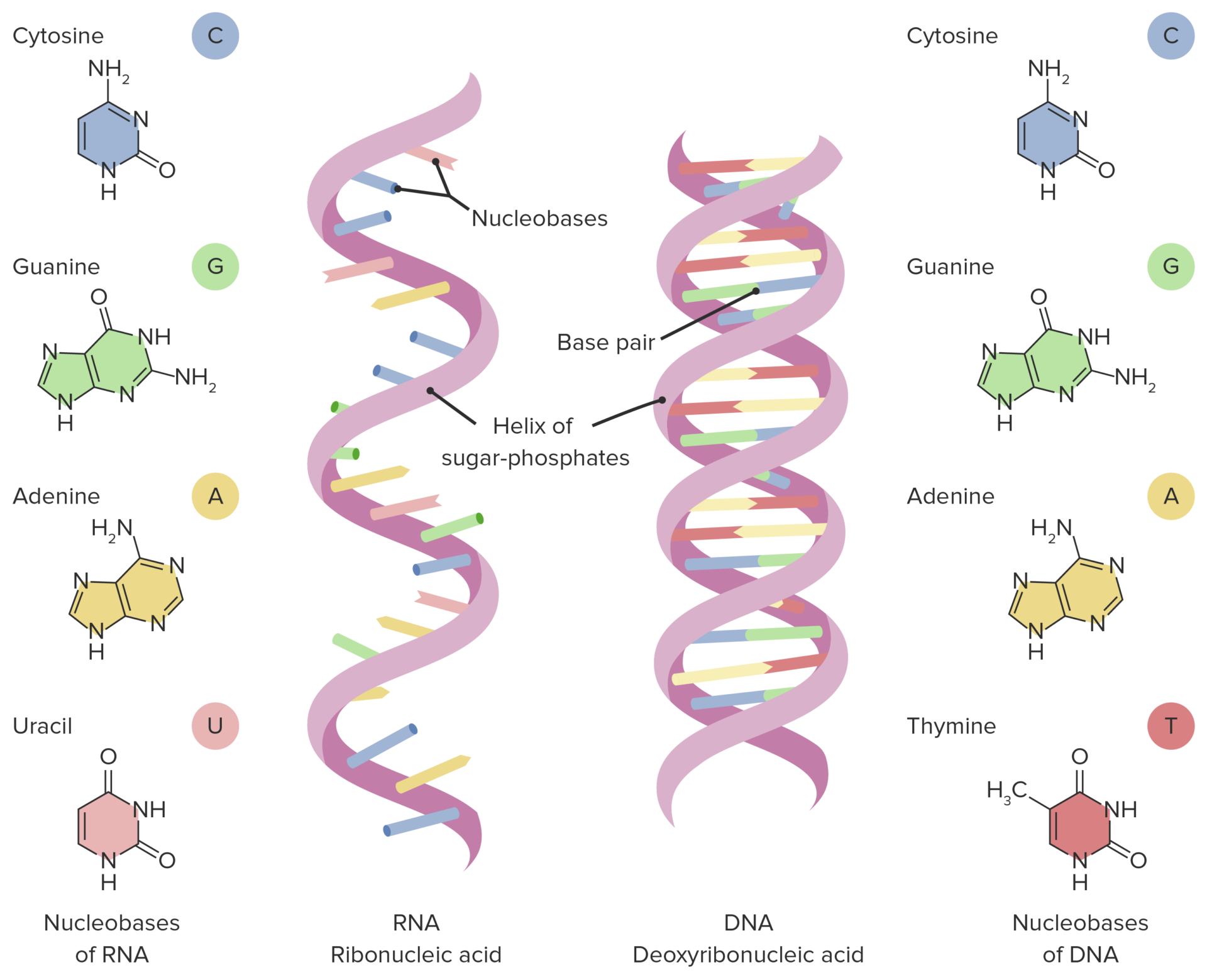
The structural differences between DNA and RNA are significant and contribute to their distinct functions. DNA is a double-stranded molecule, forming a helical structure known as the double helix. This structure is stabilized by hydrogen bonds between complementary base pairs: adenine (A) pairs with thymine (T), and cytosine (C) pairs with guanine (G).
In contrast, RNA is typically single-stranded, although it can form complex structures through intramolecular base pairing. The sugar in RNA is ribose, which contains a hydroxyl group (-OH) at the 2' position, whereas DNA contains deoxyribose, which lacks this hydroxyl group. Additionally, RNA uses uracil (U) instead of thymine (T) as one of its four nitrogenous bases.
Functions of DNA and RNA
DNA and RNA have distinct but complementary roles in the cell. DNA is primarily responsible for long-term storage of genetic information. It is found in the nucleus of eukaryotic cells and in the nucleoid region of prokaryotic cells. The genetic code in DNA is transcribed into RNA, which then carries this information to the ribosomes for protein synthesis.
RNA, on the other hand, plays a variety of roles in the cell. The most well-known types of RNA include:
- Messenger RNA (mRNA): Carries the genetic code from DNA to the ribosomes.
- Transfer RNA (tRNA): Translates the genetic code into amino acids, which are the building blocks of proteins.
- Ribosomal RNA (rRNA): Forms the structural and catalytic components of ribosomes.
- Small nuclear RNA (snRNA): Involved in splicing of pre-mRNA.
- MicroRNA (miRNA): Regulates gene expression by binding to complementary sequences in mRNA.
DNA vs RNA in Genetic Information
One of the key differences between DNA and RNA lies in their roles in genetic information. DNA is the primary genetic material in all living organisms, serving as the template for RNA synthesis. During transcription, a segment of DNA is copied into a complementary strand of RNA by the enzyme RNA polymerase. This RNA strand can then be processed and translated into proteins.
RNA, particularly mRNA, acts as an intermediary between DNA and proteins. It carries the genetic information from the nucleus to the cytoplasm, where it is translated into amino acid sequences by the ribosomes. This process ensures that the genetic instructions encoded in DNA are accurately executed to produce functional proteins.
Stability and Mutability
DNA is generally more stable than RNA due to its double-stranded structure and the presence of thymine instead of uracil. The double helix provides a robust framework that is resistant to degradation, making DNA an ideal molecule for long-term storage of genetic information. In contrast, RNA's single-stranded nature and the presence of uracil make it more susceptible to degradation and mutations.
However, the instability of RNA can be advantageous in certain contexts. For example, the rapid turnover of mRNA allows cells to quickly respond to changing environmental conditions by adjusting protein synthesis. This dynamic regulation is crucial for cellular processes such as differentiation, development, and stress response.
Role in Viruses
In the world of viruses, the distinction between DNA and RNA becomes even more pronounced. Viruses can have genomes composed of either DNA or RNA, and this difference significantly impacts their replication strategies and host interactions.
DNA viruses, such as herpesviruses and adenoviruses, use DNA as their genetic material. They replicate their DNA in the host cell's nucleus and use the host's machinery to produce viral proteins. In contrast, RNA viruses, such as influenza and HIV, use RNA as their genetic material. They replicate their RNA in the cytoplasm and often encode their own RNA-dependent RNA polymerase to synthesize new viral genomes.
Some viruses, known as retroviruses, have an RNA genome but use a unique mechanism to convert their RNA into DNA using an enzyme called reverse transcriptase. This DNA is then integrated into the host's genome, allowing the virus to persist and replicate over time.
Examples of DNA and RNA in Action
To better understand the roles of DNA and RNA, let's consider a few examples of how they function in biological processes.
During cell division, DNA replication ensures that each daughter cell receives an identical copy of the genetic material. This process involves unwinding the double helix, separating the strands, and synthesizing new complementary strands using the existing strands as templates. The resulting daughter cells have identical DNA sequences, ensuring genetic continuity.
In protein synthesis, mRNA plays a crucial role in translating the genetic code into functional proteins. The process begins with transcription, where a segment of DNA is copied into mRNA. The mRNA then travels to the ribosomes, where it is translated into a sequence of amino acids. This process involves tRNA molecules, which carry specific amino acids and recognize the corresponding codons on the mRNA. The resulting polypeptide chain folds into a functional protein, which performs specific cellular functions.
Importance of DNA and RNA in Biotechnology
The study of DNA and RNA has revolutionized the field of biotechnology, leading to numerous applications in medicine, agriculture, and industry. Techniques such as polymerase chain reaction (PCR), gene editing, and RNA interference (RNAi) have enabled scientists to manipulate genetic material with unprecedented precision.
PCR, for example, allows for the amplification of specific DNA sequences, making it possible to detect and analyze genetic material from tiny samples. This technique is widely used in forensic science, medical diagnostics, and genetic research.
Gene editing technologies, such as CRISPR-Cas9, enable scientists to modify DNA sequences with high specificity. This has opened up new possibilities for treating genetic diseases, developing genetically modified organisms, and understanding the function of specific genes.
RNAi is a powerful tool for silencing specific genes by degrading their mRNA transcripts. This technique has applications in drug development, where it can be used to target and inhibit the expression of disease-causing genes.
In agriculture, genetic engineering has led to the development of crops with improved traits, such as resistance to pests, diseases, and environmental stresses. These genetically modified organisms (GMOs) have the potential to enhance food security and sustainability.
In the field of synthetic biology, scientists are exploring the use of DNA and RNA to create novel biological systems and materials. This includes the design of artificial genetic circuits, biosensors, and biomaterials with unique properties.
📝 Note: The applications of DNA and RNA in biotechnology are vast and continue to expand as our understanding of these molecules deepens. The ethical and regulatory considerations surrounding these technologies are also important to address as they become more integrated into society.
Future Directions in DNA and RNA Research
The study of DNA and RNA is an active and rapidly evolving field. Advances in sequencing technologies, computational biology, and structural biology are providing new insights into the complex roles of these molecules in health and disease. Future research is likely to focus on several key areas, including:
- Understanding the epigenetic regulation of gene expression, where modifications to DNA and chromatin proteins influence gene activity without altering the underlying DNA sequence.
- Exploring the role of non-coding RNAs, such as miRNAs and long non-coding RNAs (lncRNAs), in regulating gene expression and cellular processes.
- Developing new therapeutic strategies based on RNA interference and gene editing technologies to treat genetic diseases and other conditions.
- Investigating the molecular mechanisms underlying aging and age-related diseases, with a focus on the role of DNA damage and repair processes.
- Exploring the potential of synthetic biology to create novel biological systems and materials with applications in medicine, agriculture, and industry.
As our knowledge of DNA and RNA continues to grow, so too will our ability to harness these molecules for the benefit of humanity. The future of molecular biology holds great promise, with the potential to revolutionize our understanding of life and our ability to address some of the most pressing challenges facing society.
In conclusion, the DNA vs RNA debate highlights the fundamental differences and complementary roles of these two essential molecules in cellular processes. DNA serves as the stable repository of genetic information, while RNA acts as the dynamic intermediary, translating this information into functional proteins. Understanding these differences is crucial for advancing our knowledge of molecular biology and developing new technologies and therapies. The ongoing research in this field promises to uncover even more insights into the complex world of nucleic acids and their roles in life.
Related Terms:
- difference between dna vs rna
- difference between rna & dna
- characteristics of dna and rna
- dna differs from rna because
- dna vs rna difference
- differences between rna and dna