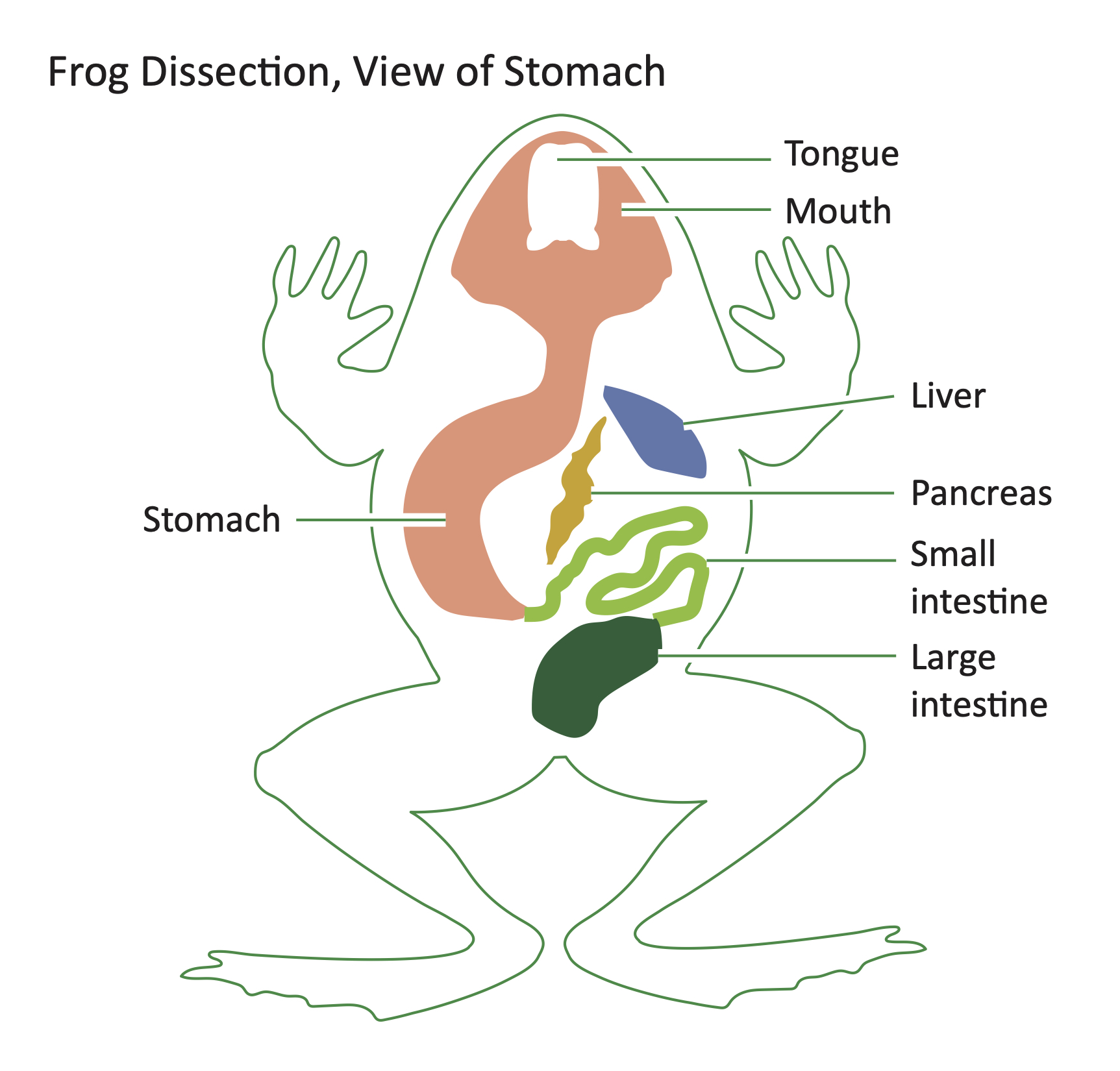
Embarking on a Dissection Of A Frog is a pivotal experience for students studying biology, offering a hands-on understanding of anatomy and physiology. This process, while challenging, provides invaluable insights into the inner workings of an organism. Whether you are a student preparing for an exam or an educator planning a lesson, this guide will walk you through the steps of a frog dissection, highlighting key structures and offering tips for a successful and educational experience.
Preparation for Dissection
Before beginning the Dissection Of A Frog, it is crucial to prepare both your workspace and your materials. Proper preparation ensures a smooth and safe dissection process.
Materials Needed
- Frog specimen (preserved)
- Dissection tray
- Scalpel or dissection scissors
- Forceps
- Probe or dissecting needle
- Pins
- Disposable gloves
- Safety goggles
- Lab apron
- Paper towels
- Dissection guide or textbook
Setting Up the Workspace
Choose a well-lit and ventilated area for the dissection. Cover your workspace with paper towels to absorb any fluids. Ensure all materials are within reach and that you have a clear, uncluttered space to work.
Wear disposable gloves, safety goggles, and a lab apron to protect yourself from any potential hazards. Wash your hands thoroughly before and after the dissection.
Steps for Dissecting a Frog
The Dissection Of A Frog involves several key steps, each focusing on different anatomical structures. Follow these steps carefully to ensure a thorough understanding of the frog's anatomy.
External Anatomy
Begin by examining the external features of the frog. Identify the following structures:
- Head
- Eyes
- Nostrils
- Mouth
- Tympanic membrane (eardrum)
- Forelimbs
- Hindlimbs
- Dorsal surface
- Ventral surface
Use a probe or dissecting needle to gently palpate these structures and note their positions and functions.
Incisions and Initial Cut
Place the frog on its back in the dissection tray. Use pins to secure the limbs to the tray, ensuring the frog is stable.
Make an initial incision along the midline of the ventral surface, starting from the chin and extending to the cloaca (the opening where waste is expelled). Be careful not to cut too deeply.
Use forceps to gently spread the skin and expose the underlying muscles. Make additional incisions along the sides of the body to peel back the skin, revealing the muscle layer.
Muscular System
Identify the major muscle groups, including the pectoral and pelvic girdles, as well as the abdominal muscles. Note the differences between the skeletal muscles and the smooth muscles.
Use your probe to carefully separate the muscles and observe their attachments to the bones.
Internal Organs
Once the muscle layer is exposed, carefully cut through the abdominal muscles to reveal the internal organs. Identify the following structures:
- Liver
- Gallbladder
- Stomach
- Intestines
- Spleen
- Pancreas
- Kidneys
- Urinary bladder
- Heart
- Lungs
Use your probe to gently move the organs and observe their positions and connections. Note the color and texture of each organ.
Circulatory System
Locate the heart, which is typically found near the center of the chest cavity. Identify the major blood vessels, including the aorta, vena cava, and pulmonary arteries and veins.
Observe the flow of blood through the heart and note the differences between the arterial and venous systems.
Respiratory System
Identify the lungs, which are located in the thoracic cavity. Observe the trachea and bronchi, which connect the lungs to the external environment.
Note the differences between the respiratory system of a frog and that of a human.
Digestive System
Examine the digestive tract, starting with the mouth and esophagus. Identify the stomach, small intestine, and large intestine. Note the role of each part in the digestion process.
Observe the liver and pancreas, which produce digestive enzymes and bile to aid in digestion.
Excretory System
Identify the kidneys, which are responsible for filtering waste from the blood. Observe the ureters, which connect the kidneys to the urinary bladder.
Note the role of the urinary bladder in storing urine before it is expelled through the cloaca.
Reproductive System
Identify the reproductive organs, which vary between male and female frogs. In males, look for the testes and vas deferens. In females, identify the ovaries and oviducts.
Note the differences between the reproductive systems of male and female frogs.
📝 Note: Be cautious when handling internal organs to avoid damaging them. Use your probe gently to avoid tearing or puncturing the organs.
Identifying Key Structures
During the Dissection Of A Frog, it is essential to identify and understand the functions of key structures. The following table provides an overview of some important anatomical features and their functions:
| Structure | Function |
|---|---|
| Liver | Produces bile, stores glycogen, and detoxifies the blood |
| Gallbladder | Stores and concentrates bile produced by the liver |
| Stomach | Breaks down food mechanically and chemically |
| Intestines | Absorbs nutrients from digested food |
| Spleen | Filters blood and stores white blood cells |
| Pancreas | Produces digestive enzymes and hormones |
| Kidneys | Filters waste from the blood and produces urine |
| Urinary bladder | Stores urine before it is expelled |
| Heart | Pumps blood throughout the body |
| Lungs | Facilitate gas exchange between the body and the environment |
Cleanup and Disposal
After completing the Dissection Of A Frog, it is important to clean up your workspace and dispose of the specimen properly. Follow these steps to ensure a safe and hygienic cleanup process.
Cleaning the Workspace
Remove all disposable materials, such as gloves and paper towels, and place them in a biohazard waste container. Wipe down the dissection tray and any other surfaces with a disinfectant solution.
Wash your hands thoroughly with soap and water. Remove your lab apron and safety goggles, and store them properly for future use.
Disposing of the Specimen
Place the dissected frog in a biohazard waste container. Follow your institution's guidelines for disposing of biological waste. Ensure that all waste is properly contained and labeled.
📝 Note: Always follow safety protocols when handling biological specimens to prevent contamination and the spread of disease.
Dissecting a frog is a valuable educational experience that provides a deep understanding of anatomy and physiology. By following the steps outlined in this guide, you can ensure a successful and informative dissection process. The insights gained from this hands-on activity will enhance your knowledge of biological systems and prepare you for further studies in the field.
Related Terms:
- female frog dissection
- frog dissection chart
- the frog a virtual dissection
- frog dissection pictures labeled
- frog dissection fat bodies
- male vs female frog dissection