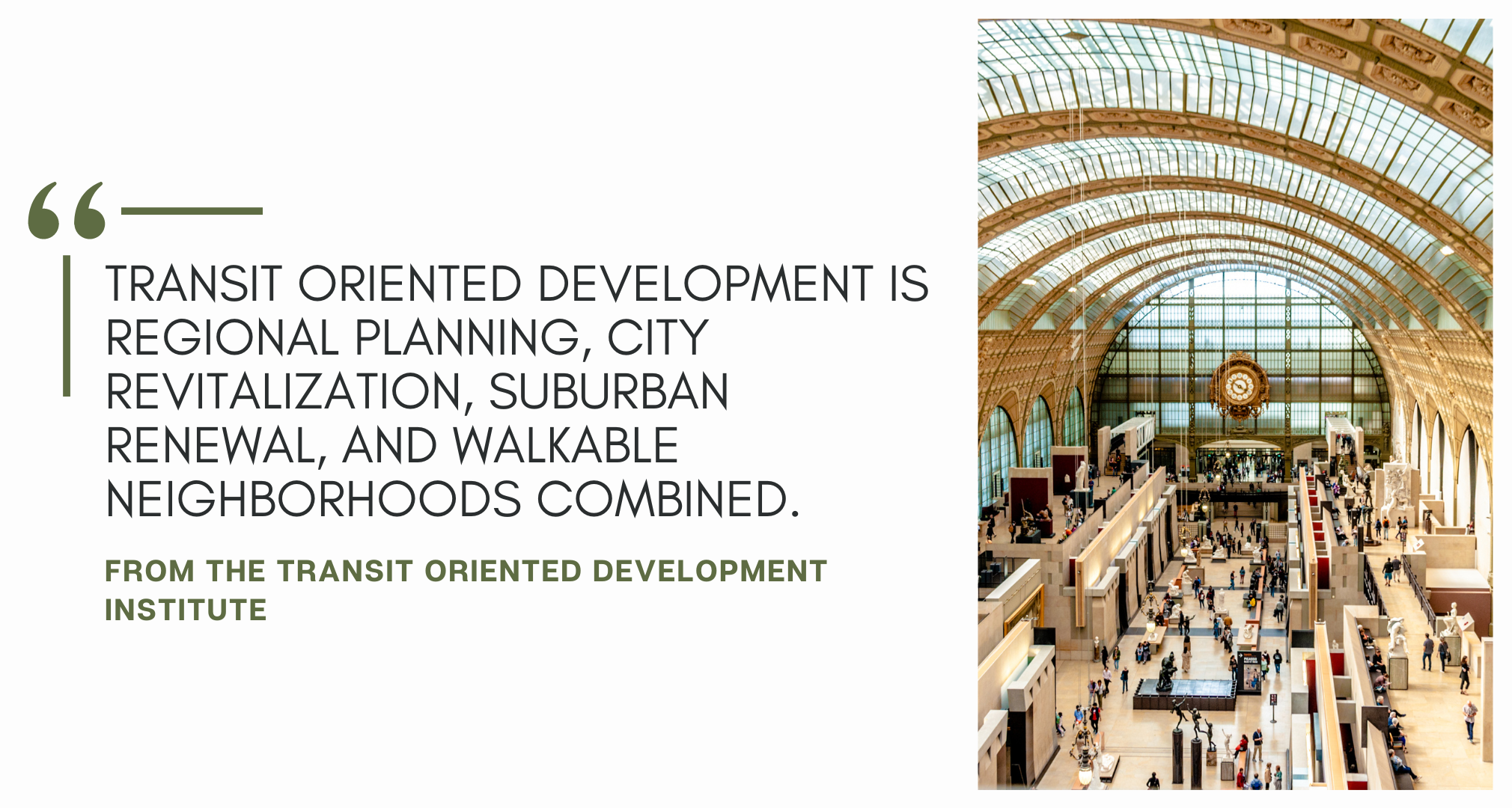
In the rapidly evolving landscape of urban planning and transportation, the concept of Development Oriented Transit (DOT) has emerged as a pivotal strategy for creating sustainable, efficient, and livable cities. DOT focuses on integrating transportation infrastructure with urban development to foster economic growth, reduce congestion, and enhance the quality of life for residents. This approach goes beyond traditional transit planning by emphasizing the symbiotic relationship between land use and transportation systems.
Understanding Development Oriented Transit
Development Oriented Transit is a holistic approach that aligns urban development with transit infrastructure. Unlike conventional transit planning, which often focuses on building transportation networks in isolation, DOT prioritizes the integration of transit systems with land use planning. This means that transit stations, bus stops, and other transportation hubs are strategically located to support and stimulate economic development in surrounding areas.
Key components of DOT include:
- Transit-Oriented Development (TOD): This involves creating mixed-use developments around transit stations, including residential, commercial, and retail spaces. TOD aims to reduce car dependency by making public transit a convenient and attractive option.
- Land Use Planning: Effective land use planning ensures that new developments are located near transit hubs, reducing the need for long commutes and promoting walkable neighborhoods.
- Public-Private Partnerships: Collaborations between public and private sectors are crucial for funding and implementing DOT projects. These partnerships can leverage private investment to build and maintain transit infrastructure.
- Sustainable Design: DOT emphasizes sustainable design principles, such as energy-efficient buildings, green spaces, and pedestrian-friendly streets, to create environmentally friendly urban environments.
Benefits of Development Oriented Transit
Implementing Development Oriented Transit offers numerous benefits for cities and their residents. Some of the key advantages include:
- Reduced Traffic Congestion: By encouraging the use of public transit, DOT helps alleviate traffic congestion, making commuting more efficient and less stressful.
- Economic Growth: Transit-oriented developments can stimulate economic activity by attracting businesses and residents to areas near transit hubs. This can lead to increased property values and job creation.
- Environmental Sustainability: DOT promotes sustainable transportation options, reducing greenhouse gas emissions and air pollution. This contributes to a healthier environment and helps cities meet their climate goals.
- Improved Quality of Life: Walkable neighborhoods, access to public transit, and mixed-use developments enhance the overall quality of life for residents. These factors make cities more livable and attractive places to live and work.
Case Studies of Successful Development Oriented Transit Projects
Several cities around the world have successfully implemented Development Oriented Transit strategies. These case studies provide valuable insights into the potential of DOT to transform urban landscapes.
Portland, Oregon
Portland is often cited as a model for successful transit-oriented development. The city's light rail system, known as MAX, has been instrumental in shaping urban development. Stations along the MAX line are surrounded by mixed-use developments, including residential apartments, retail spaces, and offices. This integration has helped reduce car dependency and fostered a vibrant urban environment.
Key features of Portland's DOT strategy include:
- Mixed-Use Developments: Areas around MAX stations feature a mix of residential, commercial, and retail spaces, creating walkable neighborhoods.
- Pedestrian-Friendly Streets: Portland has invested in pedestrian-friendly infrastructure, such as wide sidewalks, bike lanes, and public plazas, to encourage walking and biking.
- Public-Private Partnerships: The city has leveraged public-private partnerships to fund and develop transit-oriented projects, ensuring sustainable long-term growth.
Hong Kong
Hong Kong's Mass Transit Railway (MTR) system is another exemplary model of Development Oriented Transit. The MTR Corporation has successfully integrated transit infrastructure with urban development, creating transit-oriented communities that are both efficient and sustainable.
Key features of Hong Kong's DOT strategy include:
- Integrated Land Use Planning: The MTR Corporation works closely with urban planners to ensure that new developments are located near transit stations, promoting walkability and reducing car dependency.
- Mixed-Use Developments: Areas around MTR stations feature a mix of residential, commercial, and retail spaces, creating vibrant urban environments.
- Sustainable Design: Hong Kong's DOT projects emphasize sustainable design principles, such as energy-efficient buildings and green spaces, to create environmentally friendly urban environments.
Challenges and Solutions in Implementing Development Oriented Transit
While Development Oriented Transit offers numerous benefits, implementing it can present several challenges. Understanding these challenges and developing effective solutions is crucial for successful DOT projects.
Funding and Financial Constraints
One of the primary challenges in implementing DOT is securing adequate funding. Transit infrastructure and urban development projects can be costly, and securing the necessary funds can be difficult. To address this challenge, cities can explore various funding options, including:
- Public-Private Partnerships: Collaborating with private sector entities can help leverage additional funds and expertise for DOT projects.
- Government Grants and Loans: Cities can apply for government grants and loans to fund transit infrastructure and urban development projects.
- Value Capture: Implementing value capture strategies, such as tax increment financing (TIF) and special assessment districts, can help fund DOT projects by capturing the increased property values generated by transit-oriented developments.
Public Resistance and Community Engagement
Public resistance and lack of community engagement can also pose challenges to DOT implementation. Residents may be concerned about the potential impacts of new developments on their neighborhoods, such as increased traffic, noise, and gentrification. To address these concerns, cities can:
- Engage with the Community: Conducting public consultations and community engagement activities can help address residents' concerns and build support for DOT projects.
- Provide Transparent Information: Providing clear and transparent information about the benefits and impacts of DOT projects can help alleviate public concerns and build trust.
- Involve Local Stakeholders: Involving local stakeholders, such as community organizations and businesses, in the planning and implementation process can help ensure that DOT projects meet the needs and priorities of the community.
Coordination and Integration
Effective coordination and integration between different stakeholders, including urban planners, transit authorities, and developers, are essential for successful DOT implementation. To achieve this, cities can:
- Establish Clear Goals and Objectives: Setting clear goals and objectives for DOT projects can help ensure that all stakeholders are aligned and working towards the same outcomes.
- Develop Comprehensive Plans: Creating comprehensive plans that integrate land use, transportation, and urban development can help ensure that DOT projects are coordinated and aligned with broader urban planning goals.
- Foster Collaboration: Encouraging collaboration and information sharing between different stakeholders can help ensure that DOT projects are implemented effectively and efficiently.
Future Trends in Development Oriented Transit
As cities continue to grow and evolve, the future of Development Oriented Transit holds exciting possibilities. Emerging trends and technologies are shaping the way we think about urban development and transportation, offering new opportunities for creating sustainable and livable cities.
Smart Cities and Technology Integration
The integration of smart city technologies, such as IoT sensors, data analytics, and autonomous vehicles, is transforming urban development and transportation. These technologies can enhance the efficiency and sustainability of DOT projects by:
- Improving Data Collection and Analysis: Smart city technologies can provide real-time data on transportation patterns, land use, and environmental conditions, enabling more informed decision-making.
- Enhancing Mobility Options: Autonomous vehicles and shared mobility services can offer new transportation options, reducing car dependency and promoting sustainable mobility.
- Optimizing Resource Use: Smart city technologies can help optimize the use of resources, such as energy and water, in urban environments, contributing to sustainability goals.
Sustainable Urban Mobility
Sustainable urban mobility is a key focus of future DOT strategies. Cities are increasingly prioritizing sustainable transportation options, such as walking, biking, and public transit, to reduce environmental impacts and promote healthy lifestyles. To achieve this, cities can:
- Invest in Pedestrian and Bike Infrastructure: Building safe and convenient pedestrian and bike paths can encourage active transportation and reduce car dependency.
- Promote Public Transit: Expanding and improving public transit systems can make public transit a more attractive and convenient option for residents.
- Implement Green Mobility Solutions: Adopting green mobility solutions, such as electric vehicles and bike-sharing programs, can help reduce greenhouse gas emissions and promote sustainable transportation.
Inclusive and Equitable Development
Ensuring that Development Oriented Transit projects are inclusive and equitable is essential for creating just and sustainable cities. Future DOT strategies should prioritize the needs and priorities of all residents, including marginalized and vulnerable communities. To achieve this, cities can:
- Engage with Diverse Communities: Conducting inclusive community engagement activities can help ensure that DOT projects meet the needs and priorities of diverse communities.
- Address Disparities in Access: Identifying and addressing disparities in access to transportation and urban amenities can help promote equitable development.
- Promote Affordable Housing: Ensuring that DOT projects include affordable housing options can help prevent gentrification and promote inclusive development.
📝 Note: The future of DOT is shaped by emerging trends and technologies, offering new opportunities for creating sustainable and livable cities. By embracing smart city technologies, promoting sustainable urban mobility, and prioritizing inclusive and equitable development, cities can build a better future for all residents.
In conclusion, Development Oriented Transit represents a transformative approach to urban planning and transportation. By integrating transit infrastructure with land use planning, DOT offers numerous benefits, including reduced traffic congestion, economic growth, environmental sustainability, and improved quality of life. Successful case studies, such as Portland and Hong Kong, demonstrate the potential of DOT to create vibrant and sustainable urban environments. While implementing DOT presents challenges, effective solutions and future trends offer promising opportunities for building a better future for cities and their residents. As urban populations continue to grow, embracing DOT strategies will be crucial for creating livable, sustainable, and equitable cities.
Related Terms:
- transit oriented development map
- examples of transit oriented development
- mixed use transit oriented development
- transit oriented development strategy
- transit oriented development zoning
- transit oriented development tod model