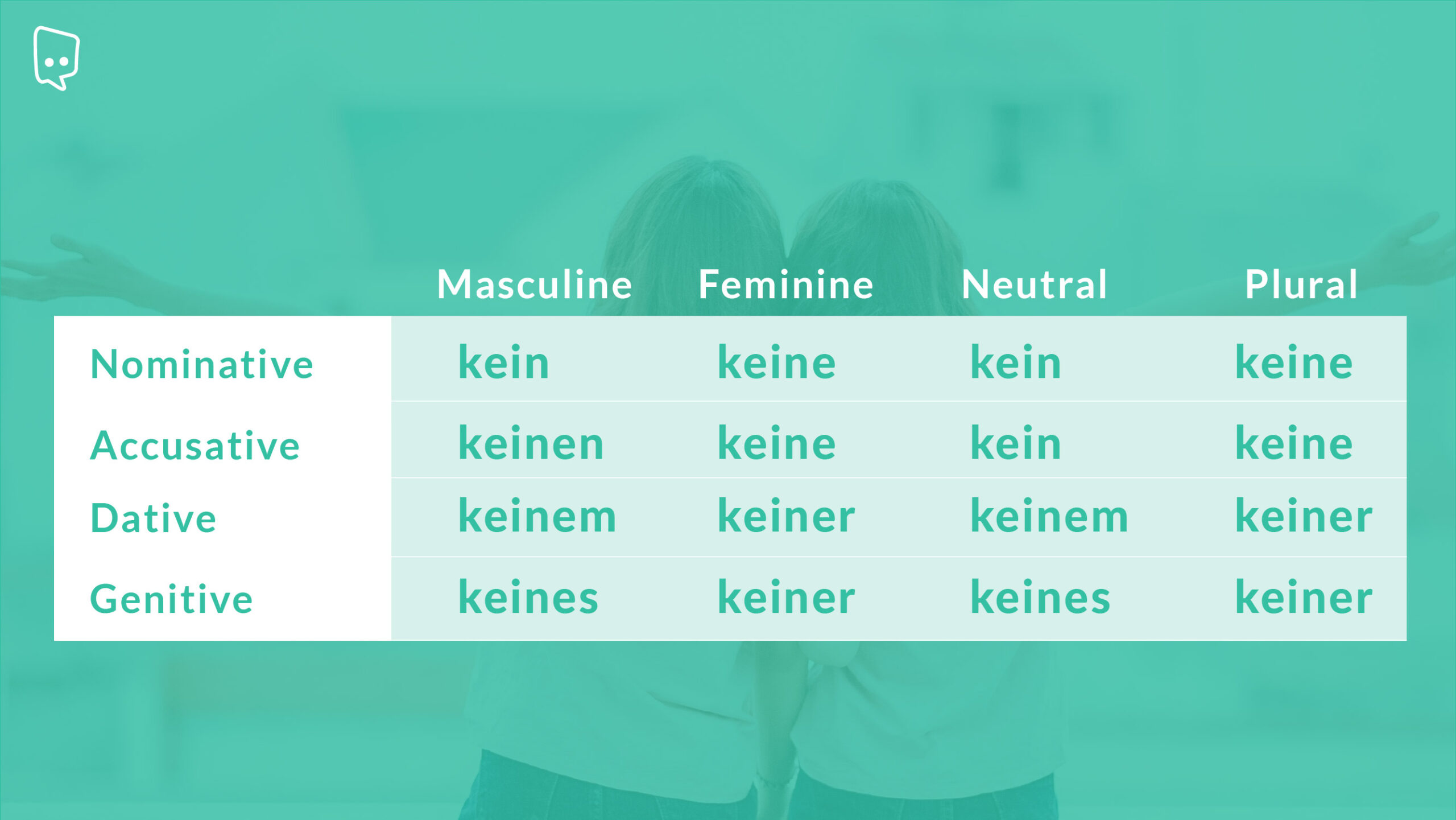
Learning the Dative Case German can be a challenging yet rewarding aspect of mastering the German language. The dative case is one of the four cases in German grammar, along with the nominative, accusative, and genitive cases. Understanding and correctly using the dative case is crucial for effective communication in German, as it plays a significant role in sentence structure and meaning.
Understanding the Dative Case
The dative case is used to indicate the indirect object of a sentence, which is the recipient of the action. It answers questions such as "to whom?" or "for whom?" For example, in the sentence "Ich gebe dem Mann das Buch" (I give the man the book), "dem Mann" (the man) is in the dative case because it is the recipient of the book.
Identifying Dative Verbs
Certain verbs in German require the dative case. These verbs are often related to actions that involve giving, helping, or communicating. Some common dative verbs include:
- helfen (to help)
- danken (to thank)
- schreiben (to write)
- antworten (to answer)
- gehorchen (to obey)
For example, in the sentence "Ich helfe dem Freund" (I help the friend), "dem Freund" is in the dative case because the verb "helfen" requires it.
Dative Prepositions
Many prepositions in German also require the dative case. These prepositions often indicate location, time, or manner. Some common dative prepositions include:
- aus (from)
- bei (at, with)
- mit (with)
- nach (to, after)
- von (from)
- zu (to)
For example, in the sentence "Ich bin bei der Schule" (I am at the school), "der Schule" is in the dative case because the preposition "bei" requires it.
Dative Pronouns
Dative pronouns are used to replace dative nouns in a sentence. The dative pronouns in German are:
| Pronoun | English Translation |
|---|---|
| mir | to me |
| dir | to you (informal) |
| ihm | to him |
| ihr | to her |
| uns | to us |
| euch | to you (plural/informal) |
| ihnen | to them/formal you |
For example, in the sentence "Ich gebe dir das Buch" (I give you the book), "dir" is the dative pronoun replacing the dative noun "dir" (you).
Dative Case with Possessive Pronouns
Possessive pronouns in the dative case are used to indicate ownership or possession. The dative possessive pronouns in German are:
| Pronoun | English Translation |
|---|---|
| meinem | my |
| deinem | your (informal) |
| seinem | his |
| ihrem | her |
| unserem | our |
| euren | your (plural/informal) |
| ihrem | their/formal your |
For example, in the sentence "Ich gebe meinem Freund das Buch" (I give my friend the book), "meinem Freund" is in the dative case because it indicates possession.
Dative Case with Adjectives
When using adjectives with dative nouns, the adjectives must agree with the nouns in gender, number, and case. For example, in the sentence "Ich gebe dem netten Mann das Buch" (I give the nice man the book), "netten" agrees with "Mann" in the dative case.
💡 Note: Adjectives in the dative case often end in "-en" for masculine and neuter nouns and "-er" for feminine nouns.
Practice Exercises for Dative Case German
To master the Dative Case German, it is essential to practice regularly. Here are some exercises to help you improve your understanding and usage of the dative case:
- Translate sentences from English to German, focusing on using the dative case correctly.
- Identify the dative case in German sentences and explain why it is used.
- Write short paragraphs in German, ensuring that you use the dative case appropriately.
- Practice with dative verbs and prepositions to become familiar with their usage.
By consistently practicing these exercises, you will become more comfortable with the dative case and be able to use it correctly in various contexts.
Mastering the Dative Case German is a crucial step in becoming proficient in the German language. By understanding the rules and practicing regularly, you will be able to communicate more effectively and accurately in German. The dative case plays a vital role in sentence structure and meaning, making it an essential aspect of German grammar to learn.
In conclusion, the dative case is a fundamental part of German grammar that requires careful study and practice. By focusing on dative verbs, prepositions, pronouns, and possessive pronouns, you can improve your understanding and usage of the dative case. Regular practice and exposure to German language materials will help you master the dative case and enhance your overall language skills.
Related Terms:
- dative case meaning
- genitive case german
- german dative case chart
- dative case german examples
- dative case german explained
- dative vs accusative german