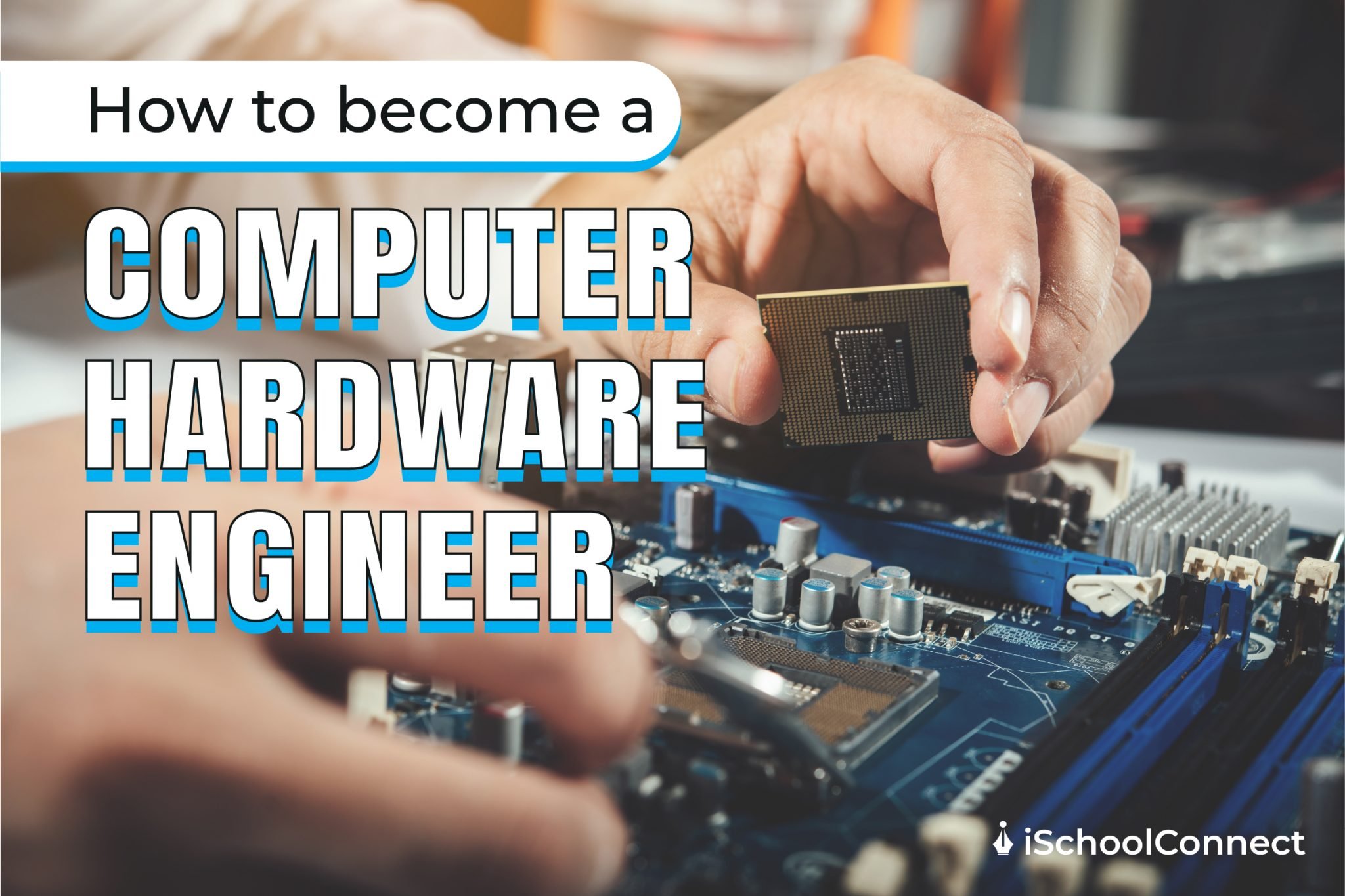
Computer hardware engineering is a dynamic and ever-evolving field that plays a crucial role in the development of modern technology. From designing microprocessors to creating advanced computing systems, computer hardware engineers are at the forefront of innovation. This field encompasses a wide range of disciplines, including electrical engineering, mechanical engineering, and materials science. Understanding the fundamentals of computer hardware engineering is essential for anyone interested in the technical aspects of computing and technology.
Understanding the Basics of Computer Hardware Engineering
Computer hardware engineering involves the design, development, and testing of computer systems and components. This field requires a deep understanding of both hardware and software, as well as the ability to integrate these elements seamlessly. The primary goal of computer hardware engineering is to create efficient, reliable, and high-performance computing solutions that meet the needs of various industries and applications.
At its core, computer hardware engineering focuses on the physical components of a computer system. These components include:
- Processors (CPUs): The brain of the computer, responsible for executing instructions and performing calculations.
- Memory (RAM): Temporary storage that allows the computer to access data quickly.
- Storage Devices: Permanent storage solutions like hard drives and solid-state drives (SSDs).
- Input/Output Devices: Peripherals such as keyboards, mice, monitors, and printers.
- Motherboards: The main circuit board that connects all the components of a computer.
- Power Supplies: Devices that provide the necessary electrical power to the computer components.
Each of these components plays a vital role in the overall performance and functionality of a computer system. Computer hardware engineers must have a comprehensive understanding of how these components interact and work together to design effective and efficient systems.
The Role of Computer Hardware Engineers
Computer hardware engineers are responsible for a wide range of tasks, from designing new hardware components to testing and optimizing existing systems. Their work often involves:
- Research and Development: Conducting research to identify new technologies and materials that can improve computer hardware performance.
- Design and Prototyping: Creating detailed designs and prototypes of new hardware components and systems.
- Testing and Validation: Testing hardware components to ensure they meet performance and reliability standards.
- Integration and Optimization: Integrating hardware components with software systems and optimizing performance.
- Documentation and Support: Providing technical documentation and support for hardware components and systems.
Computer hardware engineers often work in collaborative environments, collaborating with software engineers, electrical engineers, and other specialists to develop comprehensive computing solutions. Their work is essential in various industries, including:
- Consumer Electronics: Designing hardware for smartphones, tablets, and other consumer devices.
- Data Centers: Developing high-performance computing systems for data centers and cloud services.
- Automotive: Creating hardware for automotive systems, including infotainment and navigation systems.
- Medical Devices: Designing hardware for medical imaging, diagnostic, and treatment devices.
- Aerospace and Defense: Developing hardware for aerospace and defense applications, including avionics and communication systems.
In each of these industries, computer hardware engineers play a critical role in developing innovative and reliable computing solutions that meet the unique needs and challenges of the industry.
Key Skills and Qualifications for Computer Hardware Engineers
To succeed in computer hardware engineering, individuals need a combination of technical skills, analytical abilities, and problem-solving capabilities. Some of the key skills and qualifications include:
- Technical Knowledge: A strong foundation in electrical engineering, computer science, and materials science.
- Analytical Skills: The ability to analyze complex systems and identify areas for improvement.
- Problem-Solving: The capability to troubleshoot and resolve technical issues effectively.
- Attention to Detail: Precision and attention to detail are essential for designing and testing hardware components.
- Collaboration: The ability to work effectively in a team and collaborate with other engineers and specialists.
- Communication: Strong communication skills to document and present technical information clearly.
In addition to these skills, computer hardware engineers often need to have a degree in computer engineering, electrical engineering, or a related field. Advanced degrees and certifications can also enhance their expertise and career prospects.
Emerging Trends in Computer Hardware Engineering
The field of computer hardware engineering is constantly evolving, driven by advancements in technology and the increasing demand for high-performance computing solutions. Some of the emerging trends in computer hardware engineering include:
- Quantum Computing: Developing hardware for quantum computers, which have the potential to solve complex problems much faster than classical computers.
- Artificial Intelligence (AI) and Machine Learning (ML): Creating hardware optimized for AI and ML applications, such as GPUs and TPUs.
- Internet of Things (IoT): Designing hardware for IoT devices, which are becoming increasingly prevalent in various industries.
- 5G Technology: Developing hardware for 5G networks, which offer faster data speeds and improved connectivity.
- Edge Computing: Creating hardware for edge computing, which processes data closer to the source to reduce latency and improve performance.
These trends are shaping the future of computer hardware engineering and creating new opportunities for innovation and development. Computer hardware engineers must stay updated with the latest advancements and technologies to remain competitive in the field.
Challenges in Computer Hardware Engineering
While computer hardware engineering offers numerous opportunities, it also presents several challenges. Some of the key challenges include:
- Complexity: Designing and developing complex hardware systems requires a deep understanding of various technologies and components.
- Performance and Reliability: Ensuring that hardware components meet performance and reliability standards is a significant challenge.
- Cost: Balancing the cost of development and production with the need for high-performance and reliable hardware.
- Security: Protecting hardware components from security threats and vulnerabilities.
- Environmental Impact: Developing hardware that is environmentally friendly and sustainable.
Addressing these challenges requires a combination of technical expertise, innovation, and a commitment to continuous learning and improvement. Computer hardware engineers must be prepared to adapt to new technologies and challenges as they arise.
The Future of Computer Hardware Engineering
The future of computer hardware engineering is bright, with numerous opportunities for innovation and development. As technology continues to advance, the demand for high-performance and reliable computing solutions will only increase. Computer hardware engineers will play a crucial role in developing the next generation of computing systems and components, driving progress in various industries and applications.
Some of the key areas where computer hardware engineering is expected to make significant contributions in the future include:
- Advanced Computing: Developing hardware for advanced computing applications, such as AI, ML, and quantum computing.
- IoT and Edge Computing: Creating hardware for IoT devices and edge computing systems.
- 5G and Beyond: Designing hardware for 5G networks and future communication technologies.
- Sustainable Technology: Developing hardware that is environmentally friendly and sustainable.
- Healthcare and Medicine: Creating hardware for medical devices and healthcare applications.
In each of these areas, computer hardware engineers will be at the forefront of innovation, driving progress and development. Their work will be essential in creating the next generation of computing solutions that meet the needs of a rapidly changing world.
📝 Note: The field of computer hardware engineering is highly competitive and requires continuous learning and adaptation. Staying updated with the latest technologies and trends is essential for success in this field.
Career Paths in Computer Hardware Engineering
Computer hardware engineering offers a wide range of career paths, each with its own unique challenges and opportunities. Some of the key career paths in computer hardware engineering include:
- Hardware Design Engineer: Focuses on designing and developing new hardware components and systems.
- System Integration Engineer: Specializes in integrating hardware components with software systems and optimizing performance.
- Test and Validation Engineer: Responsible for testing and validating hardware components to ensure they meet performance and reliability standards.
- Research and Development Engineer: Conducts research to identify new technologies and materials that can improve computer hardware performance.
- Project Manager: Oversees the development and implementation of hardware projects, ensuring they are completed on time and within budget.
- Technical Support Engineer: Provides technical support and documentation for hardware components and systems.
Each of these career paths requires a combination of technical skills, analytical abilities, and problem-solving capabilities. Computer hardware engineers must be prepared to adapt to new technologies and challenges as they arise, continuously learning and improving their skills.
📝 Note: The demand for computer hardware engineers is expected to grow in the coming years, driven by the increasing demand for high-performance computing solutions. Pursuing a career in computer hardware engineering can offer numerous opportunities for growth and development.
Education and Training for Computer Hardware Engineers
To succeed in computer hardware engineering, individuals need a strong educational foundation and continuous training. Some of the key educational and training requirements include:
- Bachelor's Degree: A bachelor's degree in computer engineering, electrical engineering, or a related field is typically required for entry-level positions.
- Advanced Degrees: Advanced degrees, such as a master's or Ph.D., can enhance expertise and career prospects in specialized areas of computer hardware engineering.
- Certifications: Certifications in specific technologies or areas of expertise can also enhance skills and career prospects.
- Continuous Learning: Continuous learning and training are essential to stay updated with the latest technologies and trends in computer hardware engineering.
In addition to formal education, hands-on experience and practical training are crucial for success in computer hardware engineering. Internships, co-op programs, and practical projects can provide valuable experience and skills.
📝 Note: The field of computer hardware engineering is highly competitive, and continuous learning and adaptation are essential for success. Staying updated with the latest technologies and trends is crucial for career growth and development.
Tools and Technologies in Computer Hardware Engineering
Computer hardware engineers use a variety of tools and technologies to design, develop, and test hardware components and systems. Some of the key tools and technologies include:
- Computer-Aided Design (CAD) Software: Used for designing and simulating hardware components and systems.
- Programmable Logic Controllers (PLCs): Used for controlling and automating hardware systems.
- Oscilloscopes and Multimeters: Used for testing and measuring electrical signals and components.
- Simulation Software: Used for simulating and analyzing hardware systems and components.
- Programming Languages: Languages such as C, C++, and Python are often used for programming and controlling hardware systems.
These tools and technologies are essential for the design, development, and testing of hardware components and systems. Computer hardware engineers must be proficient in using these tools and technologies to create effective and efficient computing solutions.
📝 Note: The field of computer hardware engineering is constantly evolving, and new tools and technologies are emerging regularly. Staying updated with the latest tools and technologies is essential for success in this field.
Industry Standards and Regulations in Computer Hardware Engineering
Computer hardware engineering is governed by various industry standards and regulations that ensure the safety, reliability, and performance of hardware components and systems. Some of the key industry standards and regulations include:
- IEEE Standards: The Institute of Electrical and Electronics Engineers (IEEE) sets standards for various aspects of computer hardware engineering, including electrical safety and performance.
- ISO Standards: The International Organization for Standardization (ISO) sets standards for quality management and environmental management in computer hardware engineering.
- UL Standards: Underwriters Laboratories (UL) sets standards for electrical safety and performance in computer hardware engineering.
- FCC Regulations: The Federal Communications Commission (FCC) sets regulations for electromagnetic interference and compatibility in computer hardware engineering.
Adhering to these industry standards and regulations is essential for ensuring the safety, reliability, and performance of hardware components and systems. Computer hardware engineers must be familiar with these standards and regulations to design and develop compliant hardware solutions.
📝 Note: Compliance with industry standards and regulations is crucial for the success and reliability of hardware components and systems. Computer hardware engineers must stay updated with the latest standards and regulations to ensure compliance.
Collaboration and Teamwork in Computer Hardware Engineering
Computer hardware engineering often involves collaboration and teamwork, as engineers work together to design, develop, and test hardware components and systems. Effective collaboration and teamwork are essential for the success of hardware projects. Some of the key aspects of collaboration and teamwork in computer hardware engineering include:
- Communication: Clear and effective communication is essential for collaborating with team members and stakeholders.
- Coordination: Coordinating tasks and activities among team members to ensure timely completion of projects.
- Problem-Solving: Working together to identify and resolve technical issues and challenges.
- Innovation: Collaborating to develop innovative and creative solutions to hardware engineering problems.
- Documentation: Providing clear and comprehensive documentation for hardware components and systems.
Effective collaboration and teamwork are crucial for the success of hardware projects. Computer hardware engineers must be able to work effectively in a team and collaborate with other engineers and specialists to develop comprehensive computing solutions.
📝 Note: Collaboration and teamwork are essential for the success of hardware projects. Computer hardware engineers must be able to work effectively in a team and communicate clearly with team members and stakeholders.
Ethical Considerations in Computer Hardware Engineering
Computer hardware engineering involves ethical considerations that ensure the responsible and ethical development of hardware components and systems. Some of the key ethical considerations in computer hardware engineering include:
- Safety: Ensuring that hardware components and systems are safe for users and the environment.
- Privacy: Protecting user data and privacy in hardware components and systems.
- Security: Developing hardware that is secure from threats and vulnerabilities.
- Environmental Impact: Designing hardware that is environmentally friendly and sustainable.
- Fairness and Inclusivity: Ensuring that hardware components and systems are accessible and inclusive for all users.
Adhering to these ethical considerations is essential for the responsible and ethical development of hardware components and systems. Computer hardware engineers must be aware of these considerations and strive to develop hardware solutions that are safe, secure, and environmentally friendly.
📝 Note: Ethical considerations are crucial for the responsible and ethical development of hardware components and systems. Computer hardware engineers must be aware of these considerations and strive to develop hardware solutions that are safe, secure, and environmentally friendly.
Case Studies in Computer Hardware Engineering
Case studies provide valuable insights into the challenges and solutions in computer hardware engineering. Some notable case studies include:
- Intel's Development of the Pentium Processor: Intel's development of the Pentium processor revolutionized the computing industry, providing high-performance computing solutions for personal computers.
- Apple's Design of the MacBook Pro: Apple's design of the MacBook Pro showcased innovative hardware design and integration, providing a sleek and powerful computing solution.
- NVIDIA's Development of the GPU: NVIDIA's development of the Graphics Processing Unit (GPU) enabled high-performance graphics and computing solutions for gaming, AI, and ML applications.
- IBM's Development of the Mainframe Computer: IBM's development of the mainframe computer provided reliable and scalable computing solutions for enterprise applications.
These case studies highlight the challenges and solutions in computer hardware engineering, providing valuable insights into the development of innovative and reliable computing solutions.
📝 Note: Case studies provide valuable insights into the challenges and solutions in computer hardware engineering. Studying these case studies can enhance understanding and skills in the field.
The Impact of Computer Hardware Engineering on Society
Computer hardware engineering has a significant impact on society, driving progress and development in various industries and applications. Some of the key impacts of computer hardware engineering on society include:
- Economic Growth: Computer hardware engineering drives economic growth by creating new industries and job opportunities.
- Technological Advancement: Computer hardware engineering enables technological advancements that improve the quality of life and productivity.
- Healthcare: Computer hardware engineering contributes to advancements in medical devices and healthcare applications, improving patient care and outcomes.
- Education: Computer hardware engineering enables the development of educational tools and technologies that enhance learning and teaching.
- Environmental Sustainability: Computer hardware engineering promotes the development of environmentally friendly and sustainable technologies.
These impacts highlight the importance of computer hardware engineering in driving progress and development in society. Computer hardware engineers play a crucial role in creating innovative and reliable computing solutions that meet the needs of a rapidly changing world.
📝 Note: The impact of computer hardware engineering on society is significant, driving progress and development in various industries and applications. Computer hardware engineers play a crucial role in creating innovative and reliable computing solutions.
Future Directions in Computer Hardware Engineering
The future of computer hardware engineering is shaped by emerging technologies and trends that drive innovation and development. Some of the key future directions in computer hardware engineering include:
- Quantum Computing: Developing hardware for quantum computers that can solve complex problems much faster than classical computers.
- AI and ML Hardware: Creating hardware optimized for AI and ML applications, such as GPUs and TPUs.
- IoT and Edge Computing: Designing hardware for IoT devices and edge computing systems that process data closer to the source.
- 5G and Beyond: Developing hardware for 5G networks and future communication technologies that offer faster data speeds and improved connectivity.
- Sustainable Technology: Creating hardware that is environmentally friendly and sustainable, reducing the environmental impact of computing solutions.
These future directions highlight the opportunities for innovation and development in computer hardware engineering. Computer hardware engineers will play a crucial role in driving progress and development in these areas, creating the next generation of computing solutions.
📝 Note: The future of computer hardware engineering is shaped by emerging technologies and trends that drive innovation and development. Computer hardware engineers will play a crucial role in driving progress and development in
Related Terms:
- computer hardware engineering course
- computer hardware engineering colleges
- computer hardware engineering certifications
- computer hardware engineering jobs
- computer hardware engineering wikipedia
- computer hardware engineering job description