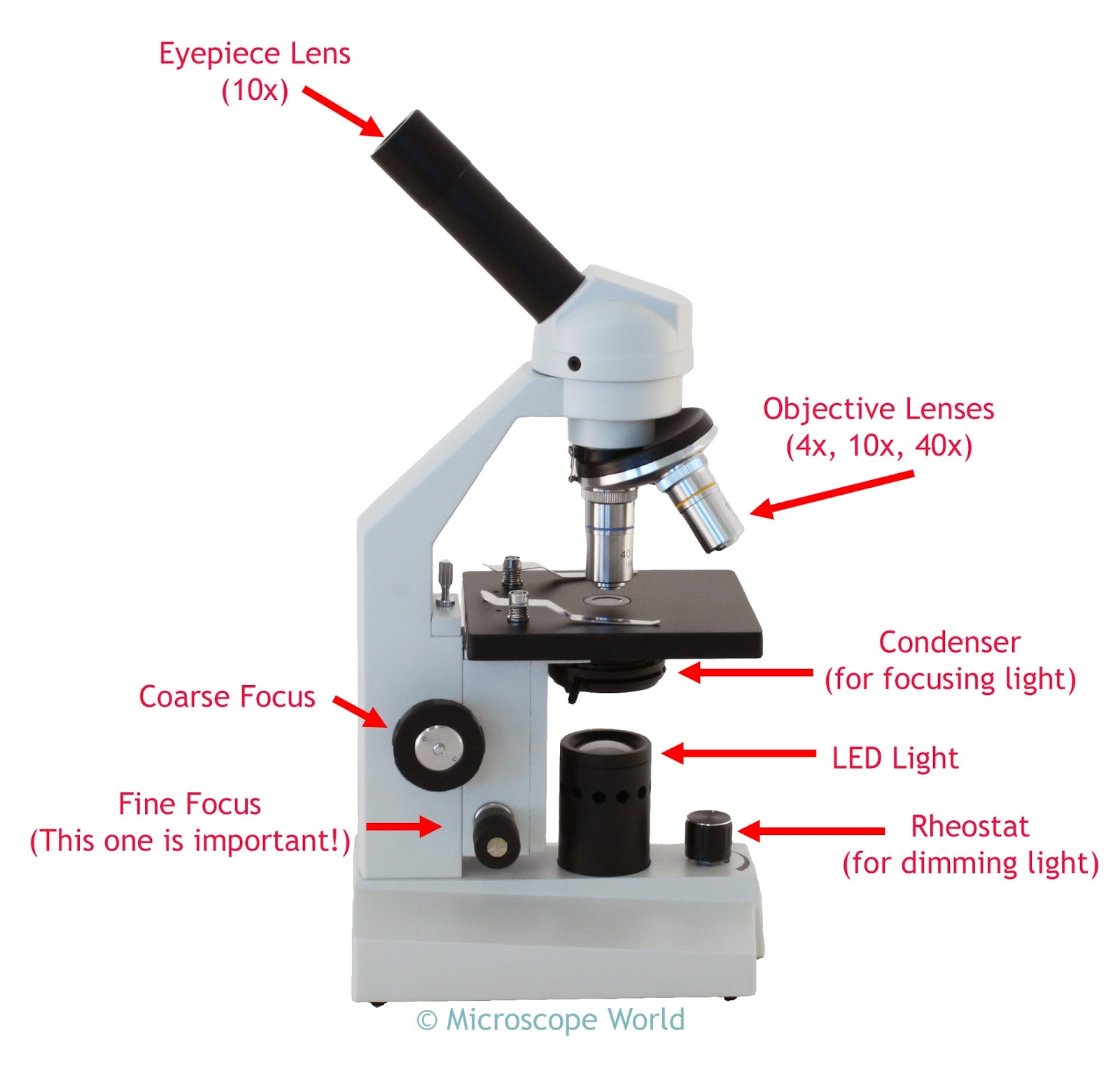
The compound microscope is a powerful tool used in various scientific fields to observe small objects that are not visible to the naked eye. Understanding the compound microscope optical parts is crucial for anyone who uses this instrument, as it helps in maintaining and operating the microscope effectively. This blog post will delve into the different components of a compound microscope, their functions, and how they work together to provide magnified images.
Introduction to Compound Microscopes
A compound microscope uses a combination of lenses to magnify objects. The term “compound” refers to the use of multiple lenses, which work together to produce a highly magnified image. These microscopes are widely used in biology, medicine, and materials science for detailed observations of specimens.
Key Optical Parts of a Compound Microscope
The optical parts of a compound microscope are essential for its functioning. These parts include the eyepiece, objective lenses, stage, illuminator, and condenser. Each of these components plays a vital role in the magnification and clarity of the image.
The Eyepiece (Ocular Lens)
The eyepiece, also known as the ocular lens, is the lens that you look through to view the specimen. It is usually located at the top of the microscope and is typically 10x or 15x in magnification. The eyepiece works in conjunction with the objective lenses to produce the final magnified image.
The Objective Lenses
The objective lenses are the primary lenses responsible for the initial magnification of the specimen. They are located near the specimen and come in various magnifications, typically ranging from 4x to 100x. The most common objective lenses are:
- 4x (Scanning Objective)
- 10x (Low Power Objective)
- 40x (High Power Objective)
- 100x (Oil Immersion Objective)
Each objective lens is designed to provide a specific level of magnification and resolution. The 100x objective lens often requires the use of immersion oil to enhance the clarity of the image.
The Stage
The stage is the flat platform where the specimen slide is placed. It is usually equipped with clips to hold the slide in place. The stage can be moved horizontally and vertically to position the specimen under the objective lenses. Some microscopes also have a mechanical stage with knobs for precise movement.
The Illuminator and Condenser
The illuminator is the light source that provides illumination for viewing the specimen. It is usually located at the base of the microscope. The condenser is a lens system located below the stage that focuses the light onto the specimen. Together, the illuminator and condenser ensure that the specimen is well-lit, which is crucial for obtaining a clear image.
The Diaphragm (Iris)
The diaphragm, also known as the iris, is an adjustable opening located below the stage. It controls the amount of light that reaches the specimen. By adjusting the diaphragm, you can optimize the contrast and brightness of the image. A properly adjusted diaphragm enhances the visibility of the specimen’s details.
The Arm
The arm is the part of the microscope that connects the base to the tube. It provides support and stability to the microscope. The arm is also used to carry the microscope, making it an essential component for handling and transporting the instrument.
The Base
The base is the bottom part of the microscope that provides stability and support. It houses the illuminator and often includes a power switch for turning the light on and off. The base ensures that the microscope remains steady during use, which is crucial for obtaining clear and stable images.
The Tube
The tube, also known as the body tube, connects the eyepiece to the objective lenses. It holds the lenses in place and ensures that they are properly aligned. The tube is an essential component for maintaining the optical path and ensuring that the image is focused correctly.
The Focus Knobs
The focus knobs are used to adjust the distance between the objective lenses and the specimen. There are typically two focus knobs: the coarse adjustment knob and the fine adjustment knob. The coarse adjustment knob is used for initial focusing, while the fine adjustment knob is used for precise focusing. Proper use of these knobs is essential for obtaining a clear and sharp image.
How Compound Microscope Optical Parts Work Together
To understand how a compound microscope works, it’s important to know how its optical parts interact. Here’s a step-by-step breakdown of the process:
- The illuminator provides light, which is focused onto the specimen by the condenser.
- The light passes through the specimen and is magnified by the objective lens.
- The magnified image is then further magnified by the eyepiece.
- The final image is viewed through the eyepiece, providing a highly magnified view of the specimen.
Each component plays a crucial role in this process, and any malfunction or misalignment can affect the quality of the image.
🔍 Note: Always ensure that the microscope is properly cleaned and maintained to avoid any issues with the optical parts.
Maintaining Compound Microscope Optical Parts
Proper maintenance of the compound microscope optical parts is essential for ensuring the longevity and performance of the microscope. Here are some tips for maintaining the optical parts:
- Clean the lenses regularly using lens paper and a suitable lens cleaning solution.
- Avoid touching the lenses with your fingers to prevent smudges and oils from transferring.
- Store the microscope in a clean, dry place to prevent dust and moisture from damaging the optical parts.
- Use the correct immersion oil for the 100x objective lens to avoid damaging the lens.
- Regularly check the alignment of the optical parts to ensure that the microscope is functioning correctly.
By following these maintenance tips, you can ensure that your compound microscope remains in good condition and provides clear, high-quality images.
🛠️ Note: Always refer to the manufacturer's guidelines for specific maintenance instructions.
Troubleshooting Common Issues
Even with proper maintenance, issues can arise with the compound microscope optical parts. Here are some common problems and their solutions:
| Problem | Solution |
|---|---|
| Blurry Image | Check the focus knobs and adjust as needed. Ensure that the lenses are clean and properly aligned. |
| Dim Image | Adjust the diaphragm to increase the amount of light. Check the illuminator to ensure it is functioning correctly. |
| Uneven Illumination | Adjust the condenser to ensure even light distribution. Clean the condenser lens if necessary. |
| Foggy Lenses | Clean the lenses with lens paper and a suitable cleaning solution. Ensure that the microscope is stored in a dry place. |
By addressing these common issues promptly, you can maintain the performance of your compound microscope and ensure that it continues to provide clear and detailed images.
🔧 Note: If the problem persists, consider consulting a professional for further assistance.
In conclusion, understanding the compound microscope optical parts is essential for anyone who uses this instrument. Each component plays a crucial role in the magnification and clarity of the image, and proper maintenance is key to ensuring the microscope’s longevity and performance. By following the tips and guidelines outlined in this post, you can ensure that your compound microscope remains in good condition and provides high-quality images for your observations.
Related Terms:
- magnifying parts of compound microscope
- compound microscope drawing with parts
- anatomy of compound microscope
- major parts of compound microscope
- components of a compound microscope
- functions of compound microscope parts