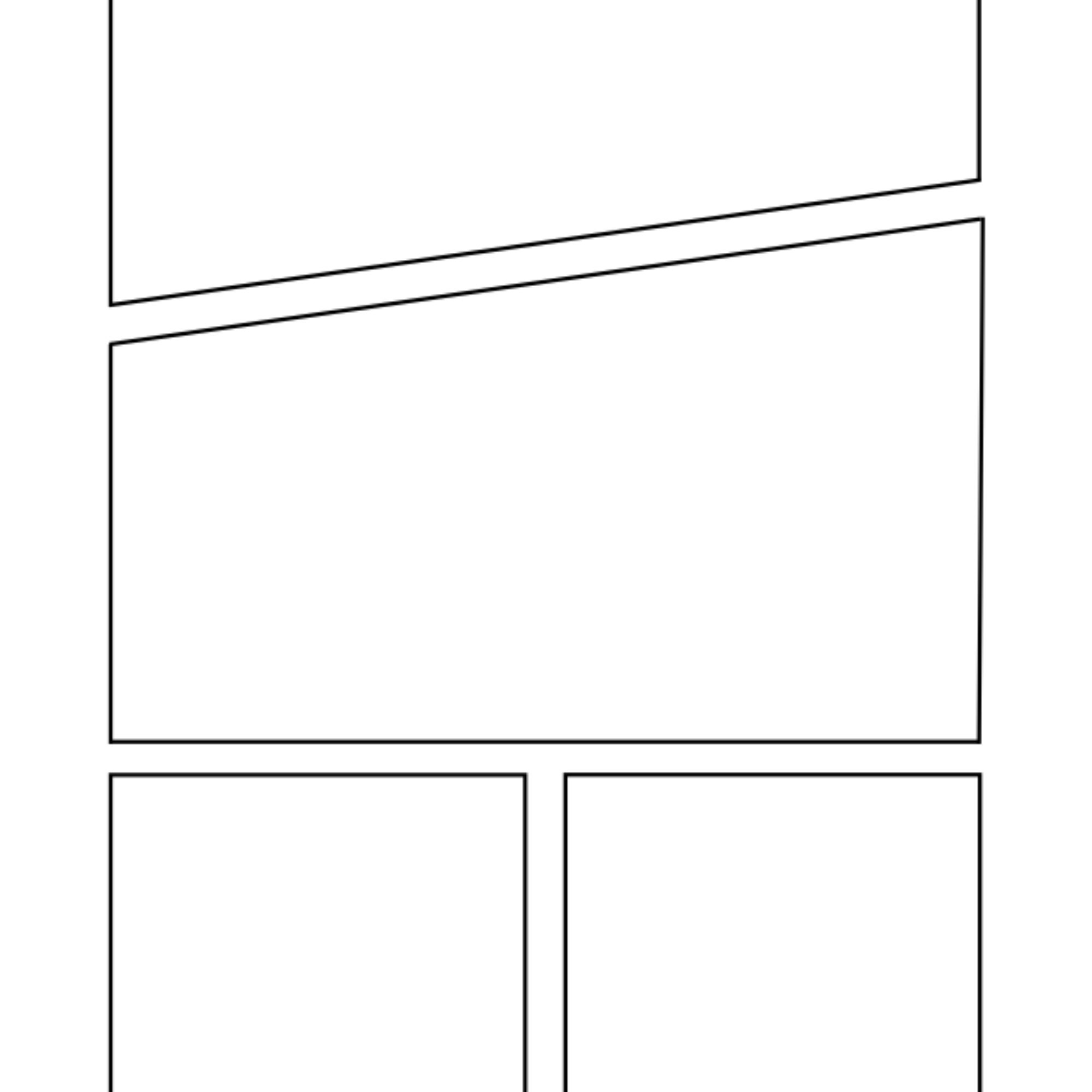
Comic book art is a unique and captivating medium that combines visual storytelling with intricate illustrations. One of the most crucial aspects of comic book art is comic book panelling, which refers to the arrangement and design of panels within a comic book page. Panelling is not just about dividing the page into sections; it's about guiding the reader's eye through the narrative, controlling the pacing, and enhancing the overall storytelling experience.
Understanding Comic Book Panelling
Comic book panelling involves the strategic placement of panels to convey a story effectively. Each panel is a frame that captures a moment in time, and the sequence of these panels creates a visual narrative. The size, shape, and arrangement of panels can significantly impact how the story is perceived by the reader.
Panels can vary in size and shape, from small, square panels to large, full-page spreads. The choice of panel size and shape depends on the story's requirements and the artist's vision. For example, a small panel might be used to show a quick, insignificant moment, while a large panel can emphasize a dramatic or emotional scene.
The Importance of Panelling in Storytelling
Effective comic book panelling is essential for several reasons:
- Pacing: The size and number of panels on a page can control the pacing of the story. More panels mean a faster pace, while fewer panels allow for a slower, more deliberate narrative.
- Focus: Panels can direct the reader's attention to specific elements within the scene, such as a character's expression or an important object.
- Emotion: The arrangement of panels can enhance the emotional impact of a scene. For example, a sudden change in panel size can create a sense of surprise or tension.
- Clarity: Well-designed panels help to clarify the sequence of events, making it easier for the reader to follow the story.
Types of Panelling
There are several types of comic book panelling techniques that artists use to achieve different effects:
- Grid Panelling: This involves arranging panels in a regular grid pattern, often in rows and columns. Grid panelling is common in traditional comic book layouts and provides a structured, easy-to-follow narrative.
- Dynamic Panelling: This technique uses irregular panel shapes and sizes to create a more dynamic and visually interesting layout. Dynamic panelling can add energy and excitement to a scene.
- Silhouette Panelling: This involves using the shapes of characters or objects within the panels to create the panel borders. Silhouette panelling can add a unique and artistic touch to the comic book layout.
- Full-Page Spreads: These are large, uninterrupted panels that take up an entire page. Full-page spreads are often used for dramatic or visually stunning scenes.
Designing Effective Panels
Creating effective panels requires a combination of artistic skill and storytelling intuition. Here are some tips for designing compelling panels:
- Consider the Story: The layout of the panels should support the narrative. Think about what each panel needs to convey and how it fits into the overall story.
- Use Variety: Mix up the size and shape of panels to keep the reader engaged. Avoid using the same panel size repeatedly, as this can make the layout feel monotonous.
- Guide the Eye: Arrange panels in a way that guides the reader's eye naturally through the page. This can be achieved by using panel shapes, sizes, and placement to create a visual flow.
- Experiment with Angles: Varying the angles of panels can add depth and interest to the layout. For example, diagonal panels can create a sense of movement and energy.
Here is an example of how different panel sizes can be used to control pacing and focus:
| Panel Size | Effect |
|---|---|
| Small | Quick, insignificant moments |
| Medium | Standard narrative pacing |
| Large | Dramatic or emotional scenes |
| Full-Page | Visually stunning or climactic moments |
📝 Note: The choice of panel size should always serve the story. Avoid using large panels just for visual impact if it doesn't enhance the narrative.
Advanced Panelling Techniques
For artists looking to take their comic book panelling to the next level, there are several advanced techniques to consider:
- Bleed Panels: These panels extend to the edge of the page, creating a seamless transition between panels. Bleed panels can add a sense of immersion and continuity to the story.
- Overlapping Panels: This technique involves placing panels on top of each other, creating a layered effect. Overlapping panels can add depth and complexity to the layout.
- Non-Linear Panelling: This involves arranging panels in a non-linear sequence, such as spirals or zigzags. Non-linear panelling can create a sense of disorientation or chaos, which can be effective for certain types of stories.
Advanced panelling techniques require a deep understanding of both the artistic and narrative aspects of comic book creation. Experimenting with these techniques can help artists develop their unique style and enhance their storytelling abilities.
Here is an example of how different panelling techniques can be used to create different effects:
| Panelling Technique | Effect |
|---|---|
| Bleed Panels | Immersion and continuity |
| Overlapping Panels | Depth and complexity |
| Non-Linear Panelling | Disorientation or chaos |
📝 Note: Advanced panelling techniques should be used sparingly and with purpose. Overusing these techniques can make the layout feel cluttered and confusing.
The Role of Panelling in Digital Comics
With the rise of digital comics, comic book panelling has taken on new dimensions. Digital platforms offer artists the flexibility to experiment with interactive and dynamic panelling techniques. For example, artists can use zoomable panels, animated transitions, and interactive elements to enhance the reader's experience.
Digital comics also allow for more creative use of color and lighting, which can be integrated with panelling to create stunning visual effects. Artists can use digital tools to create panels that change shape or size based on the reader's interaction, adding a new layer of engagement to the storytelling process.
However, it's important to note that digital comics also present unique challenges. The variability of screen sizes and resolutions can affect how panels are displayed, requiring artists to design layouts that are adaptable and responsive. Additionally, the interactive nature of digital comics can sometimes distract from the narrative, so it's crucial to use these features judiciously.
Here is an example of how digital comics can enhance panelling:
| Digital Feature | Effect |
|---|---|
| Zoomable Panels | Enhanced detail and immersion |
| Animated Transitions | Dynamic storytelling |
| Interactive Elements | Increased reader engagement |
📝 Note: When designing for digital comics, always consider the variability of screen sizes and resolutions to ensure a consistent reading experience.
Case Studies: Iconic Panelling in Comics
To better understand the impact of comic book panelling, let's examine some iconic examples from the world of comics:
- Watchmen by Alan Moore and Dave Gibbons: This graphic novel is renowned for its intricate and meticulous panelling. Gibbons uses a nine-panel grid layout throughout the book, which creates a structured and consistent narrative flow. The use of recurring motifs and symbols within the panels adds depth to the storytelling.
- Maus by Art Spiegelman: In this Pulitzer Prize-winning graphic novel, Spiegelman uses a variety of panel sizes and shapes to convey the emotional weight of the story. The use of black-and-white illustrations and the unique portrayal of characters as animals add to the narrative's impact.
- Sin City by Frank Miller: Miller's use of high-contrast black-and-white art and dynamic panelling creates a gritty and immersive world. The panels often bleed into each other, creating a seamless flow that enhances the story's intensity.
These examples demonstrate how effective comic book panelling can elevate a story, making it more engaging and memorable for the reader.
Here is an example of how different artists use panelling to enhance their storytelling:
| Comic Title | Artist | Panelling Technique |
|---|---|---|
| Watchmen | Dave Gibbons | Nine-panel grid layout |
| Maus | Art Spiegelman | Variety of panel sizes and shapes |
| Sin City | Frank Miller | Dynamic, bleeding panels |
📝 Note: Studying iconic examples of comic book panelling can provide valuable insights into effective storytelling techniques.
Conclusion
Comic book panelling is a fundamental aspect of comic book art that plays a crucial role in storytelling. By strategically arranging panels, artists can control pacing, focus, emotion, and clarity, creating a rich and engaging narrative experience. Whether using traditional grid layouts or more dynamic and experimental techniques, effective panelling is essential for bringing a comic book story to life. As digital comics continue to evolve, the possibilities for innovative panelling techniques are endless, offering artists new ways to captivate and immerse their readers.
Related Terms:
- 6 panel comic strip examples
- types of panels in comics
- comic panel layout ideas
- different comic panel layouts
- comic panel examples
- how to layout comic panels