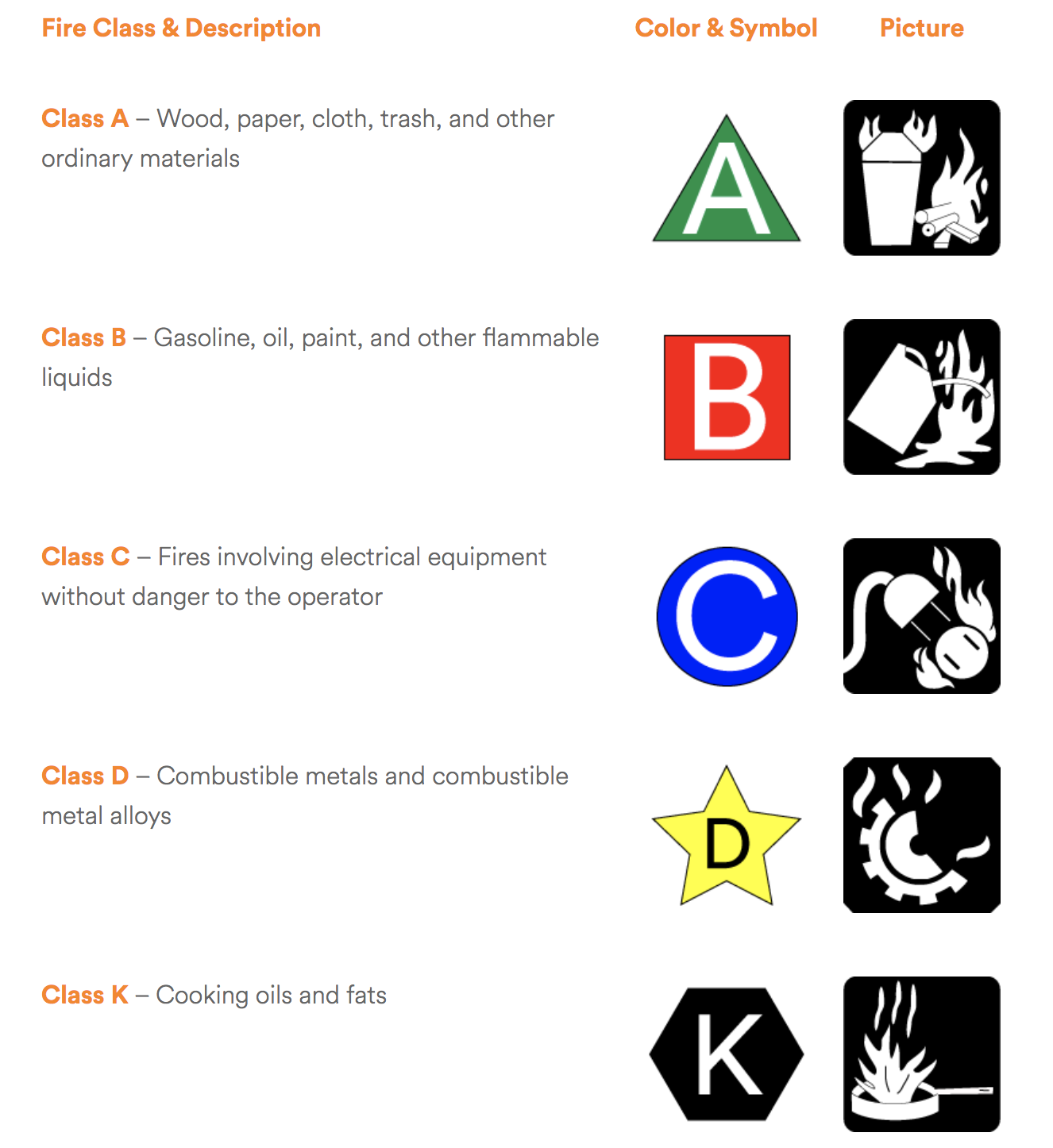
Understanding the different types of fires is crucial for effective fire safety and prevention. Among these, Class B fires are particularly significant due to the unique challenges they present. Class B fires involve flammable and combustible liquids, such as gasoline, oil, paint, and solvents. These fires require specialized extinguishing agents and techniques to control and extinguish effectively. This blog post will delve into the specifics of Class B fires, their characteristics, common causes, and the best practices for extinguishing them.
Understanding Class B Fires
Class B fires are defined by the type of fuel they burn. These fires involve flammable and combustible liquids, which can be highly volatile and dangerous. The National Fire Protection Association (NFPA) classifies fires into several categories, each requiring different extinguishing methods. Class B fires are distinct from other classes, such as Class A (ordinary combustibles like wood and paper) and Class C (electrical fires).
Flammable liquids are those that have a flash point below 100°F (37.8°C) and can ignite easily. Combustible liquids have a flash point above 100°F (37.8°C) but below 200°F (93.3°C) and require more heat to ignite. Both types of liquids can produce intense heat and toxic fumes when burned, making Class B fires particularly hazardous.
Common Causes of Class B Fires
Class B fires can occur in various settings, from industrial facilities to residential garages. Some of the most common causes include:
- Improper Storage: Storing flammable liquids in inappropriate containers or near heat sources can lead to fires.
- Spills and Leaks: Accidental spills or leaks of flammable liquids can create a fire hazard, especially if they come into contact with ignition sources.
- Electrical Malfunctions: Faulty electrical equipment can spark and ignite nearby flammable liquids.
- Smoking: Cigarettes and other smoking materials can easily ignite flammable liquids if not properly extinguished.
- Static Electricity: In industrial settings, static electricity can generate sparks that ignite flammable liquids.
Extinguishing Class B Fires
Extinguishing Class B fires requires the use of specific extinguishing agents designed to smother the flames and prevent re-ignition. The most effective methods include:
Using Foam Extinguishers
Foam extinguishers are specifically designed to extinguish Class B fires. They work by creating a blanket of foam that smothers the fire and prevents oxygen from reaching the fuel. This type of extinguisher is highly effective for fires involving flammable liquids and is commonly used in industrial and commercial settings.
There are two main types of foam extinguishers:
- Aqueous Film-Forming Foam (AFFF): This type of foam creates a thin film that floats on the surface of the liquid, sealing in the vapors and preventing re-ignition.
- Alcohol-Resistant Aqueous Film-Forming Foam (AR-AFFF): This foam is designed to extinguish fires involving alcohol-based liquids, which can be more challenging to extinguish due to their ability to dissolve the foam.
Using Dry Chemical Extinguishers
Dry chemical extinguishers, also known as ABC extinguishers, can be used to extinguish Class B fires. These extinguishers contain a powdered chemical agent that interrupts the chemical reaction of the fire. While effective, dry chemical extinguishers can leave a residue that may be difficult to clean up and can damage sensitive equipment.
Using Carbon Dioxide (CO2) Extinguishers
CO2 extinguishers are another option for extinguishing Class B fires. These extinguishers work by displacing the oxygen around the fire, effectively smothering the flames. CO2 extinguishers are particularly useful in confined spaces where foam or dry chemical extinguishers may not be suitable. However, they should be used with caution as the discharge can displace oxygen in the surrounding area, posing a risk of asphyxiation.
Preventing Class B Fires
Prevention is always the best strategy when it comes to fire safety. Here are some key measures to prevent Class B fires:
- Proper Storage: Store flammable and combustible liquids in approved containers and cabinets designed to prevent spills and leaks.
- Ventilation: Ensure adequate ventilation in areas where flammable liquids are stored or used to prevent the buildup of vapors.
- Grounding and Bonding: In industrial settings, use grounding and bonding techniques to prevent static electricity from igniting flammable liquids.
- No Smoking: Enforce a strict no-smoking policy in areas where flammable liquids are present.
- Regular Inspections: Conduct regular inspections of electrical equipment and storage areas to identify and address potential hazards.
Training and Preparedness
Training and preparedness are essential for effectively managing Class B fires. Employees and individuals who work with or around flammable liquids should receive comprehensive training on fire safety, including:
- Fire Extinguisher Use: Training on the proper use of foam, dry chemical, and CO2 extinguishers.
- Emergency Procedures: Establishing and practicing emergency procedures for responding to Class B fires.
- Hazard Identification: Teaching individuals how to identify potential fire hazards and take preventive measures.
Regular drills and simulations can help ensure that everyone is prepared to respond quickly and effectively in the event of a Class B fire.
🔍 Note: Always ensure that fire extinguishers are readily accessible and regularly inspected to ensure they are in good working condition.
Special Considerations for Industrial Settings
In industrial settings, the risk of Class B fires is often higher due to the presence of large quantities of flammable liquids and the potential for spills and leaks. Special considerations for preventing and managing Class B fires in industrial settings include:
- Spill Containment: Implementing spill containment systems to prevent the spread of flammable liquids in the event of a spill.
- Fire Suppression Systems: Installing automated fire suppression systems, such as foam or CO2 systems, to quickly extinguish fires.
- Personal Protective Equipment (PPE): Providing employees with appropriate PPE, including fire-resistant clothing and respiratory protection.
- Emergency Shutdown Procedures: Establishing emergency shutdown procedures to isolate and contain fires quickly.
Industrial facilities should also have a comprehensive fire safety plan that includes regular inspections, maintenance, and training programs to ensure the safety of employees and the protection of assets.
Class B fires present unique challenges due to the volatile nature of flammable and combustible liquids. Understanding the characteristics of these fires, their common causes, and the best practices for extinguishing them is crucial for effective fire safety and prevention. By implementing proper storage, ventilation, and training measures, individuals and organizations can significantly reduce the risk of Class B fires and ensure a safe environment.
Related Terms:
- examples of class b fire
- class b fires extinguisher types
- class b fire means
- class b fires involve gases
- class b fire extinguisher definition
- class b fires uk