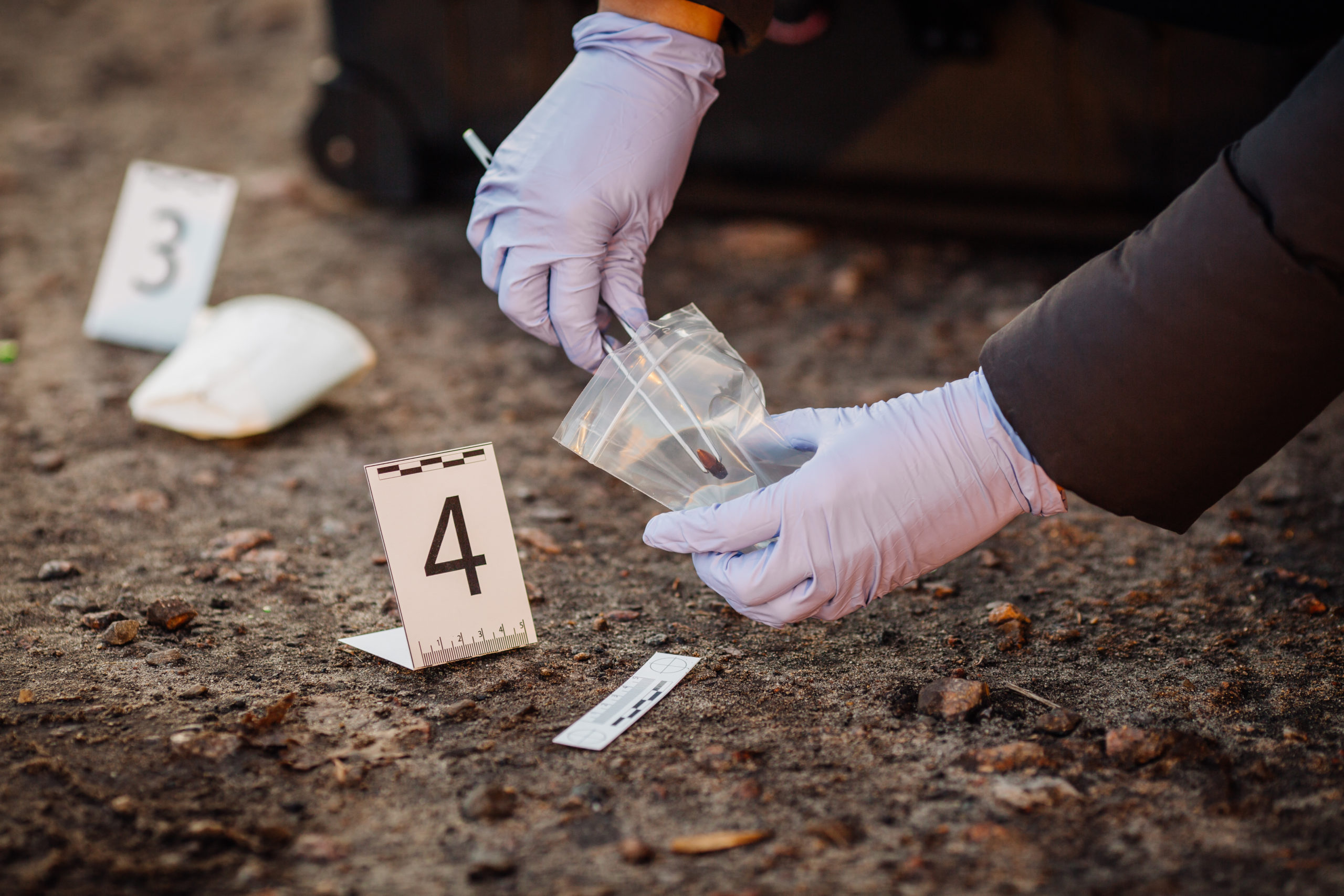
Understanding the intricacies of legal evidence is crucial for anyone involved in the legal system, whether as a professional or a curious observer. One of the most fascinating and often misunderstood types of evidence is circumstantial evidence. This type of evidence does not directly prove a fact but rather allows for inferences to be drawn based on other facts. In this post, we will delve into the circumstantial evidence definition, its significance in legal proceedings, and how it differs from direct evidence.
Understanding Circumstantial Evidence
Circumstantial evidence is a type of evidence that relies on inference to connect the facts of a case to the ultimate conclusion. Unlike direct evidence, which directly proves a fact (such as an eyewitness account), circumstantial evidence requires the jury or judge to make logical deductions based on the presented facts. For example, if a person is found with a bloody knife near a crime scene, this is circumstantial evidence that they may have committed the crime. The presence of the knife and the blood does not directly prove guilt, but it allows for the inference that the person might be involved.
Circumstantial Evidence Definition
The circumstantial evidence definition can be broken down into several key components:
- Indirect Proof: Circumstantial evidence provides indirect proof of a fact. It does not directly show that something happened but rather suggests it through a series of related facts.
- Inference: This type of evidence requires the trier of fact (jury or judge) to draw inferences from the presented facts. The inferences must be logical and reasonable.
- Contextual Clues: Circumstantial evidence often involves contextual clues that, when pieced together, paint a picture of what likely occurred.
For instance, if a person is seen running away from a crime scene, this is circumstantial evidence that they might be involved in the crime. The act of running away does not directly prove guilt, but it suggests that the person might have something to hide.
Examples of Circumstantial Evidence
To better understand the circumstantial evidence definition, let's look at some examples:
- Fingerprints: Finding a suspect's fingerprints at a crime scene is circumstantial evidence. It suggests that the person was present at the scene but does not directly prove they committed the crime.
- DNA Evidence: DNA found at a crime scene that matches a suspect is circumstantial evidence. It indicates that the suspect was likely present but does not directly show they committed the crime.
- Financial Records: Unusual financial transactions can be circumstantial evidence of fraud or embezzlement. The transactions themselves do not prove wrongdoing, but they suggest it.
- Witness Testimony: A witness testifying that they saw a person acting suspiciously near a crime scene is circumstantial evidence. The suspicious behavior does not directly prove involvement but suggests it.
Circumstantial Evidence vs. Direct Evidence
Understanding the difference between circumstantial and direct evidence is essential for grasping the circumstantial evidence definition. Direct evidence directly proves a fact without the need for inference. For example, an eyewitness testifying that they saw a person commit a crime is direct evidence. The witness's account directly shows what happened.
In contrast, circumstantial evidence requires the trier of fact to make logical deductions. For example, if a person is found with stolen property, this is circumstantial evidence that they might have committed the theft. The presence of the stolen property does not directly prove guilt but suggests it.
Here is a table to illustrate the differences:
| Direct Evidence | Circumstantial Evidence |
|---|---|
| Directly proves a fact | Indirectly suggests a fact through inference |
| Requires no logical deductions | Requires logical deductions |
| Example: Eyewitness testimony | Example: Fingerprints at a crime scene |
Both types of evidence are crucial in legal proceedings, and often, cases rely on a combination of direct and circumstantial evidence to build a strong argument.
The Role of Circumstantial Evidence in Legal Proceedings
Circumstantial evidence plays a significant role in legal proceedings. It is often used to fill in gaps where direct evidence is lacking. For example, in a murder trial, direct evidence might be scarce, but circumstantial evidence such as the defendant's motive, opportunity, and means can be used to build a case. The jury or judge must then decide whether the circumstantial evidence, when considered together, proves the defendant's guilt beyond a reasonable doubt.
One of the most famous cases involving circumstantial evidence is the O.J. Simpson trial. While there was direct evidence such as DNA and blood samples, much of the prosecution's case relied on circumstantial evidence, including Simpson's behavior and the timeline of events leading up to the murders. The defense successfully argued that the circumstantial evidence was not strong enough to prove guilt beyond a reasonable doubt.
📝 Note: The use of circumstantial evidence can be complex and requires careful consideration by the trier of fact. It is essential to ensure that the inferences drawn are logical and reasonable.
Challenges and Limitations of Circumstantial Evidence
While circumstantial evidence can be powerful, it also comes with challenges and limitations. One of the primary challenges is the potential for misinterpretation. Inferences drawn from circumstantial evidence can be subjective and may vary depending on the individual's perspective. For example, what one person might see as suspicious behavior, another might view as innocent.
Another limitation is the risk of drawing incorrect conclusions. Circumstantial evidence often relies on a chain of inferences, and if any link in the chain is weak or flawed, the entire argument can be undermined. For instance, if a person is found with a bloody knife near a crime scene, but it is later discovered that the blood is from a self-inflicted wound, the circumstantial evidence loses its strength.
Additionally, circumstantial evidence can be more easily challenged in court. Defense attorneys often focus on discrediting the inferences drawn from circumstantial evidence by presenting alternative explanations or highlighting weaknesses in the evidence. For example, they might argue that the presence of a suspect's fingerprints at a crime scene does not prove guilt but could be explained by the suspect having been at the scene for innocent reasons.
Strengthening Circumstantial Evidence
To strengthen circumstantial evidence, it is essential to build a comprehensive and logical case. This involves:
- Collecting Multiple Pieces of Evidence: The more pieces of circumstantial evidence that support the same conclusion, the stronger the case becomes. For example, if a suspect's fingerprints, DNA, and witness testimony all point to their involvement in a crime, the circumstantial evidence is more compelling.
- Ensuring Logical Inferences: The inferences drawn from circumstantial evidence must be logical and reasonable. This means that the evidence should lead to a clear and consistent conclusion without relying on speculation or guesswork.
- Addressing Alternative Explanations: It is crucial to anticipate and address alternative explanations for the circumstantial evidence. By doing so, the prosecution can strengthen their case and make it more difficult for the defense to challenge the evidence.
For example, in a case where a suspect's fingerprints are found at a crime scene, the prosecution might also present evidence showing that the suspect had a motive and opportunity to commit the crime. This additional evidence strengthens the circumstantial case by providing a more comprehensive picture of the suspect's involvement.
In conclusion, circumstantial evidence is a vital component of legal proceedings. It allows for the inference of facts based on indirect proof, making it a powerful tool in building a case. However, it also comes with challenges and limitations that must be carefully considered. By understanding the circumstantial evidence definition and how to strengthen this type of evidence, legal professionals can effectively use it to support their arguments and achieve justice.
Related Terms:
- what is circumstantial evidence
- circumstantial evidence means
- circumstantial evidence legal definition
- circumstantial evidence in a sentence
- circumstantial evidence definition examples
- circumstantial evidence meaning