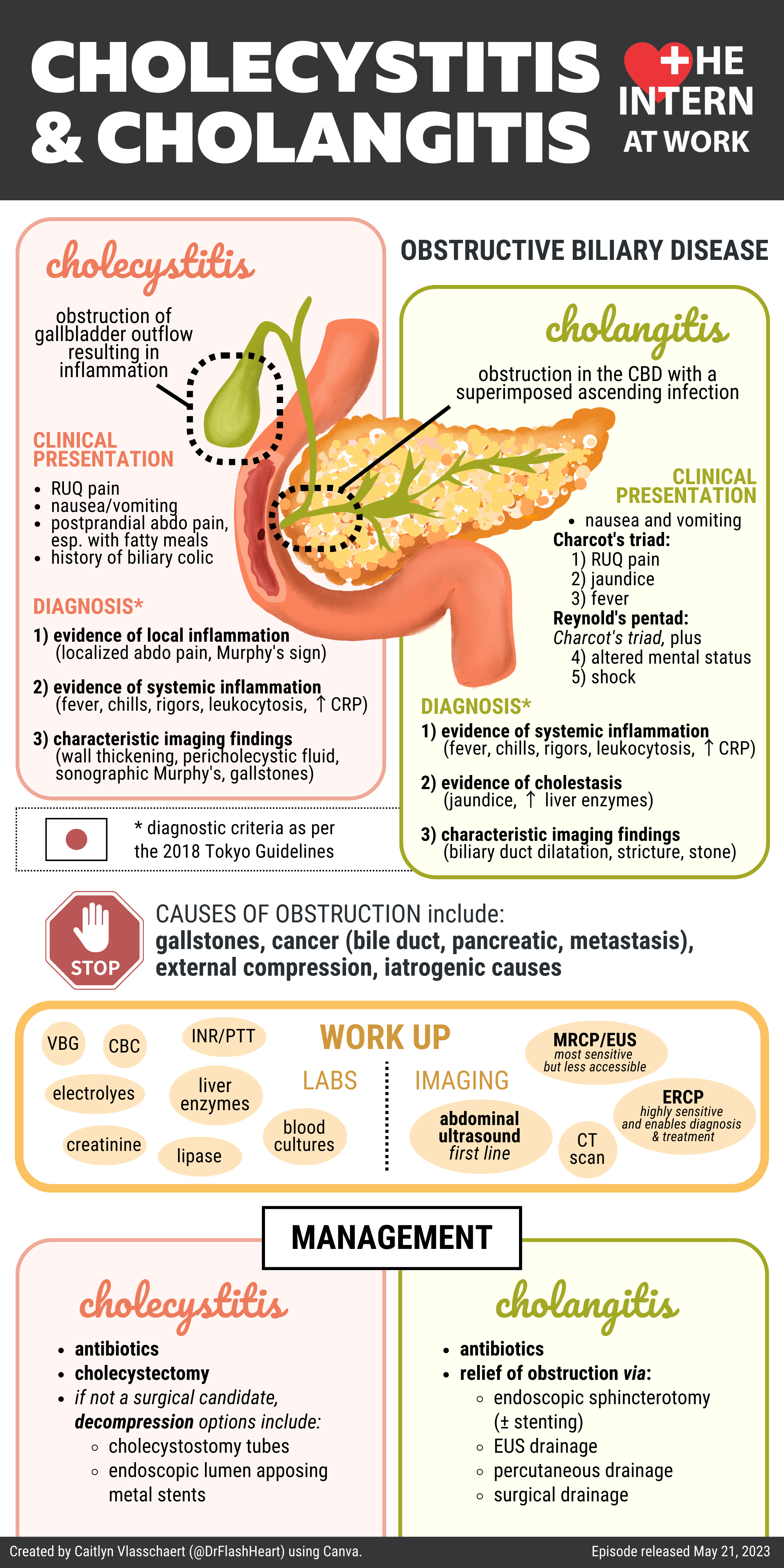
Understanding the differences between *Cholecystitis vs Cholelithiasis* is crucial for anyone dealing with gallbladder issues. Both conditions affect the gallbladder but have distinct causes, symptoms, and treatments. This blog post aims to provide a comprehensive overview of these two conditions, helping readers distinguish between them and understand their implications.
Understanding the Gallbladder
The gallbladder is a small, pear-shaped organ located beneath the liver. Its primary function is to store and concentrate bile, a digestive fluid produced by the liver. Bile aids in the digestion of fats by breaking them down into smaller particles that can be easily absorbed by the body. When food, particularly fatty foods, enters the small intestine, the gallbladder contracts and releases bile into the duodenum through the common bile duct.
What is Cholelithiasis?
Cholelithiasis, commonly known as gallstones, is a condition characterized by the formation of solid particles within the gallbladder. These stones can vary in size and composition, ranging from as small as a grain of sand to as large as a golf ball. Gallstones are typically composed of cholesterol, bilirubin, or a combination of both.
Causes of Cholelithiasis
The exact cause of gallstones is not fully understood, but several factors contribute to their formation:
- High Cholesterol Levels: Excess cholesterol in the bile can lead to the formation of cholesterol stones.
- High Bilirubin Levels: Conditions that cause the liver to produce too much bilirubin, such as liver disease or certain blood disorders, can result in pigment stones.
- Gallbladder Stasis: Reduced movement of bile within the gallbladder can increase the risk of stone formation.
- Genetic Factors: A family history of gallstones can increase the likelihood of developing the condition.
- Obesity and Rapid Weight Loss: Being overweight or losing weight quickly can alter the composition of bile, promoting stone formation.
- Diabetes: People with diabetes are at a higher risk of developing gallstones.
- Certain Medications: Some drugs, such as birth control pills and cholesterol-lowering medications, can increase the risk of gallstones.
Symptoms of Cholelithiasis
Many people with gallstones do not experience any symptoms. However, when symptoms do occur, they often include:
- Abdominal Pain: Typically felt in the upper right abdomen, this pain can be severe and may radiate to the back or shoulder.
- Nausea and Vomiting: Often accompanies abdominal pain.
- Fever and Chills: May indicate an infection or inflammation.
- Jaundice: Yellowing of the skin and eyes, which can occur if a gallstone blocks the common bile duct.
Diagnosis of Cholelithiasis
Diagnosing gallstones typically involves a combination of medical history, physical examination, and imaging tests. Common diagnostic procedures include:
- Ultrasound: The most common test for detecting gallstones, it uses sound waves to create images of the gallbladder.
- CT Scan: Provides detailed images of the abdomen and can help identify gallstones and other abnormalities.
- MRI: Offers detailed images of the gallbladder and bile ducts, useful for detecting stones and assessing their location.
- HIDA Scan: Involves injecting a radioactive dye into the bloodstream to evaluate the function of the gallbladder.
Treatment of Cholelithiasis
The treatment for gallstones depends on the severity of symptoms and the presence of complications. Options include:
- Watchful Waiting: For asymptomatic patients, no treatment may be necessary, and regular monitoring is sufficient.
- Medications: Oral medications such as ursodeoxycholic acid can dissolve cholesterol stones, but this approach is less common.
- Cholecystectomy: Surgical removal of the gallbladder is the most common treatment for symptomatic gallstones. This can be performed laparoscopically, which is less invasive and has a quicker recovery time.
What is Cholecystitis?
Cholecystitis is the inflammation of the gallbladder, often caused by a gallstone blocking the cystic duct, which leads to bile buildup and infection. This condition can be acute or chronic, with acute cholecystitis requiring immediate medical attention.
Causes of Cholecystitis
The primary cause of cholecystitis is the obstruction of the cystic duct by a gallstone, leading to inflammation and infection. Other factors that can contribute to cholecystitis include:
- Bacterial Infection: Bacteria can infect the gallbladder, leading to inflammation.
- Trauma: Injury to the gallbladder can cause inflammation.
- Tumors: Rarely, tumors in the gallbladder or bile ducts can cause cholecystitis.
- Blood Flow Issues: Reduced blood flow to the gallbladder can lead to ischemia and inflammation.
Symptoms of Cholecystitis
The symptoms of cholecystitis can be severe and may include:
- Severe Abdominal Pain: Typically felt in the upper right abdomen, this pain can be constant and may worsen with deep breathing or movement.
- Fever and Chills: Often accompany the pain and indicate an infection.
- Nausea and Vomiting: Common symptoms that can be persistent.
- Jaundice: Yellowing of the skin and eyes, which can occur if the common bile duct is blocked.
- Abdominal Tenderness: The abdomen may be tender to the touch, especially in the upper right quadrant.
Diagnosis of Cholecystitis
Diagnosing cholecystitis involves a combination of medical history, physical examination, and imaging tests. Common diagnostic procedures include:
- Blood Tests: To check for signs of infection, such as elevated white blood cell count.
- Ultrasound: To visualize the gallbladder and detect any stones or inflammation.
- CT Scan: To provide detailed images of the abdomen and assess the extent of inflammation.
- HIDA Scan: To evaluate the function of the gallbladder and detect any obstructions.
Treatment of Cholecystitis
The treatment for cholecystitis depends on the severity of the condition and the presence of complications. Options include:
- Antibiotics: To treat any underlying infection.
- Pain Management: Medications to relieve pain and discomfort.
- Hydration: Intravenous fluids to prevent dehydration.
- Cholecystectomy: Surgical removal of the gallbladder, often performed laparoscopically.
Cholecystitis Vs Cholelithiasis: Key Differences
While Cholecystitis vs Cholelithiasis are related conditions, they have distinct characteristics:
| Aspect | Cholelithiasis | Cholecystitis |
|---|---|---|
| Definition | Formation of gallstones in the gallbladder. | Inflammation of the gallbladder, often due to a blocked cystic duct. |
| Causes | High cholesterol levels, high bilirubin levels, gallbladder stasis, genetic factors, obesity, diabetes, certain medications. | Obstruction of the cystic duct by a gallstone, bacterial infection, trauma, tumors, blood flow issues. |
| Symptoms | Abdominal pain, nausea and vomiting, fever and chills, jaundice. | Severe abdominal pain, fever and chills, nausea and vomiting, jaundice, abdominal tenderness. |
| Diagnosis | Ultrasound, CT scan, MRI, HIDA scan. | Blood tests, ultrasound, CT scan, HIDA scan. |
| Treatment | Watchful waiting, medications, cholecystectomy. | Antibiotics, pain management, hydration, cholecystectomy. |
📝 Note: While cholelithiasis can lead to cholecystitis, not all cases of gallstones result in inflammation of the gallbladder. It is essential to seek medical attention if you experience symptoms of either condition.
Cholecystitis and cholelithiasis are both serious conditions that require medical attention. Understanding the differences between these two conditions can help individuals recognize the symptoms and seek appropriate treatment. Early diagnosis and intervention are crucial for preventing complications and ensuring a successful recovery.
Related Terms:
- cholecystitis vs cholelithiasis vs choledocholithiasis
- cholecystitis vs choledocholithiasis
- cholecystitis vs cholelithiasis vs cholestasis
- cholelithiasis vs choledocholithiasis
- cholecystitis vs cholelithiasis symptoms
- cholecystitis vs cholangitis